What Would Madiba Do?
Over the past two weeks, as is the case with millions of people around the world, Nelson Mandela has been on my mind. Like so many other people, he influenced my life in numerous ways. The lessons I learned from my involvement in the Free South Africa Movement made an indelible imprint on my worldview and on what kind of advocate and person I strive to be. I'll never forget how I felt watching Nelson Mandela walk out of Prison in 1990 and how proud I was to see him sworn in as freely elected President of a new South Africa.
Invested in Living: Antoine Maxwell
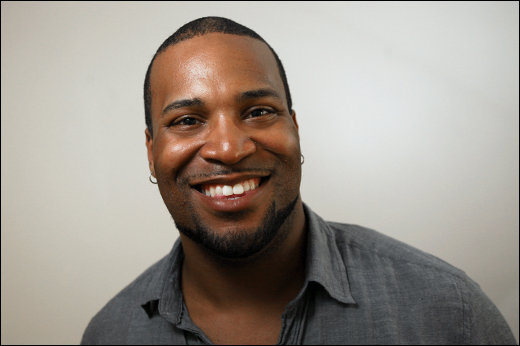
One in a series of profiles of the 2013 Fellows in the Black AIDS Institute's African American HIV University's Science and Treatment College.
I am a native of Memphis, Tenn. About two years ago I moved to Chicago, where I got involved with HIV/AIDS work, doing public health consulting for some social agencies, and worked as a teaching assistant and tutor.
New AAHU Fellows Armed With the Science to Fight HIV

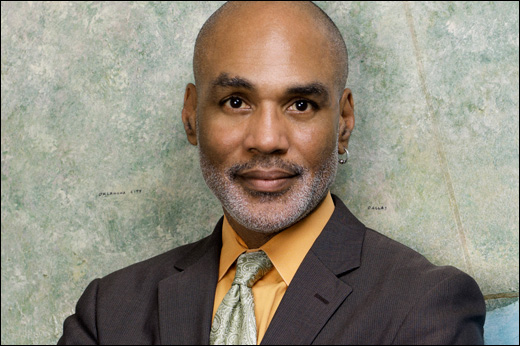
The path to ending the HIV/AIDS epidemic is no longer shrouded in mystery."The single most important thing that needs to happen is to get as many of the 1.1 million Americans living with HIV on care and treatment," says Phill Wilson, president and chief executive officer of the Black AIDS Institute. That happens by ensuring that those at high risk of HIV infection take advantage of medical and behavioral prevention strategies, and those with HIV get treatment so they will be less likely to transmit the disease to others.
Read more: New AAHU Fellows Armed With the Science to Fight HIV
Magic Johnson Dedicates World AIDS Museum and Educational Center
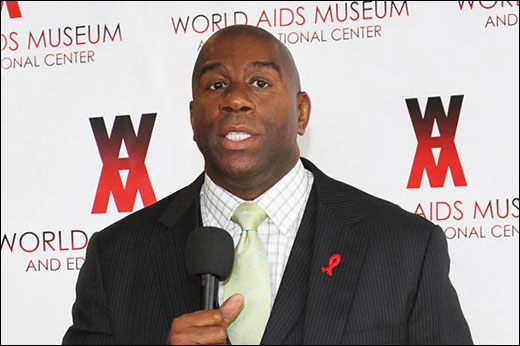
In anticipation of the opening of the World AIDS Museum and Educational Center in Ft. Lauderdale, FL, early next year, this November Earvin "Magic" Johnson dedicated the Museum to the millions of people who suffered due to HIV/AIDS.
Read more: Magic Johnson Dedicates World AIDS Museum and Educational Center
Justice Department Settles with South Carolina Department of Corrections to End Discrimination Against Inmates with HIV
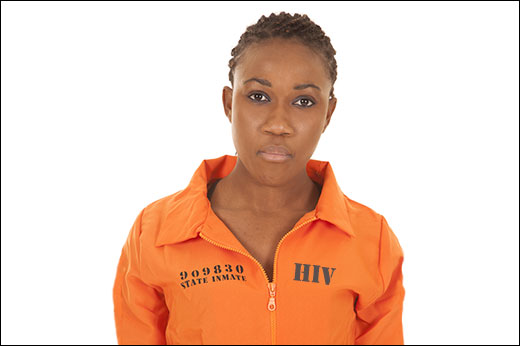
Editor's note: Earlier this fall, the U.S. Department of Justice released this important announcement regarding its ongoing efforts to address HIV-related discrimination. Please read.
The Justice Department announced on September 30, 2013 that it had reached a settlement with the South Carolina Department of Corrections (SCDC) and its director, to resolve alleged violations of Title II of the Americans with Disabilities Act (ADA) and Section 504 of the Rehabilitation Act of 1973 (Section 504). The agreement, filed today along with a complaint in the U.S. District Court for the District of South Carolina, resolves the department's investigation of SCDC policies and practices of segregating inmates with HIV/AIDS (HIV) and denying them the opportunity to participate equally in services, programs and activities.