What Would Madiba Do?
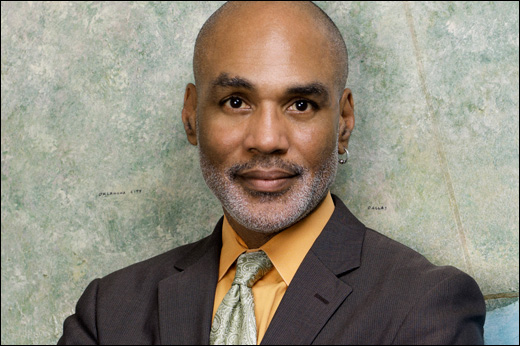
Over the past two weeks, as is the case with millions of people around the world, Nelson Mandela has been on my mind. Like so many other people, he influenced my life in numerous ways. The lessons I learned from my involvement in the Free South Africa Movement made an indelible imprint on my worldview and on what kind of advocate and person I strive to be. I'll never forget how I felt watching Nelson Mandela walk out of Prison in 1990 and how proud I was to see him sworn in as freely elected President of a new South Africa.
Madiba, as he was called, truly understood the relationship of all oppression and injustice; he had an unfaltering moral compass. He was the first world leader to embrace the fight against HIV/AIDS without hesitating or even flinching. He gladly wore the "HIV Positive" T-shirt because he knew that as long as any one of us is HIV positive we all are HIV positive. When Nelson Mandela put that tee-shirt on, the message that we mattered reverberated around the planet.
I was fortunate enough to meet President Mandela a few times. He had the ability to make you feel like you were the most important person he had ever met. He understood—perhaps more than anybody else in the world—that individuals, not crowds, actually change the world. He also knew that the lightest feather of justice could and would eventually outweigh the largest and heaviest granite of injustice. He understood that about overcoming apartheid in South Africa as well as about overcoming HIV/AIDS.
After a long walk to freedom, Madiba is at peace. It is now up to us to use the lessons we learned from him to keep his legacy alive. When it comes to HIV/AIDS, that means each of us doing our part where we are to end the AIDS epidemic as quickly as we can. That is what Madiba would do!
In this, we continue our series about the Fellows of the African American HIV University's Science and Treatment College and run a story about the College itself. In November, Magic Johnson dedicated the World AIDS Museum and Educational Center in Ft. Lauderdale, scheduled to open to the public early next year. The Justice Department has settled with the South Carolina Department of Corrections to end discrimination against inmates living with HIV, which included segregating them into HIV-only dorms in two high-security prisons based upon their HIV status. Finally, new research shows that Black women on ART experienced a higher death rate than White women did from AIDS and AIDS-defining illnesses.
This is our final issue of the Black AIDS Weekly until January 7, 2014. However, ext week I'll send out my year-end message expressing our thanks, offering seasons greetings and setting the stage for an exciting new year.
Yours in the struggle,
Phill