Still No Detectable HIV RNA or DNA in "Mississippi Baby" at 30 Months
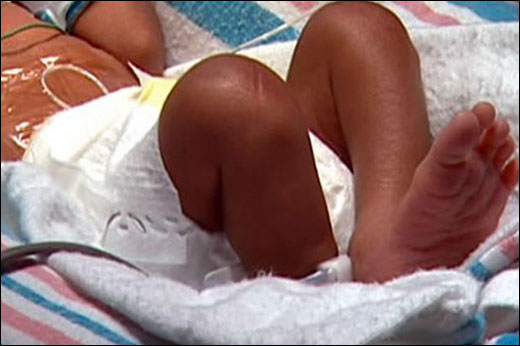
HIV RNA in blood and proviral DNA in peripheral blood mononuclear cells (PBMCs) remain undetectable through 30 months of age in the Mississippi baby treated for HIV with triple therapy 30 hours after birth, but not treated between 18 and 23 months of age because of missed clinic visits and failure to refill prescriptions. Evidence to date, reported in the New England Journal of Medicine, suggests that immediate antiretroviral therapy protected the child from established HIV infection.
Read more: Still No Detectable HIV RNA or DNA in "Mississippi Baby" at 30 Months
In This Issue

We've been talking a lot about young Black men and boys lately. Last week I asked you to support the film American Promise, which is playing both in New York and Los Angeles now and expanding to other markets around the country (see schedule below). I really think it is a must-see film for anyone who is interested in the lives and wellbeing of young Black men and boys.
A Surreal Experience Yields Priceless Insight: Dr. Bruce Rwabasonga Mandela

One in a series of profiles of the 2013 Fellows in the Black AIDS Institute's African American HIV University's Science and Treatment College.
In Uganda, as elsewhere in sub-Saharan Africa, AIDS has caused immense suffering over the past two decades, with more than 1.5 million children orphaned since the epidemic began. Every day an estimated 400 Ugandans are infected with HIV.
Read more: A Surreal Experience Yields Priceless Insight: Dr. Bruce Rwabasonga Mandela
Affordable Care Act Brings More Money, More Stress To Illinois Clinics

As political debate continues to rage over President Barack Obama's signature health careoverhaul, the law already is reshaping health care in the most troubled communities in Chicago and its suburbs.
Read more: Affordable Care Act Brings More Money, More Stress To Illinois Clinics
Multistudy Analysis Details Pluses With Community-Based HIV Testing
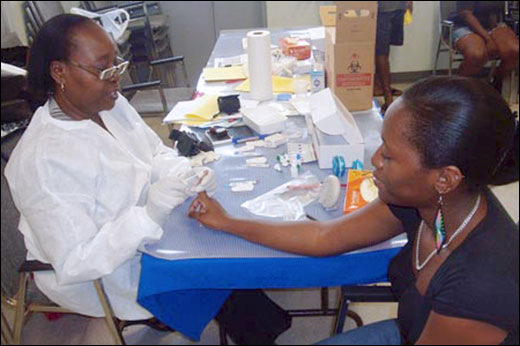
Systematic review and meta-analysis of community HIV testing programs determined that testing outside clinics and HIV testing centers raised HIV testing coverage 7-fold. Uptake of diverse community-based testing approaches was high.
Read more: Multistudy Analysis Details Pluses With Community-Based HIV Testing