In This Issue
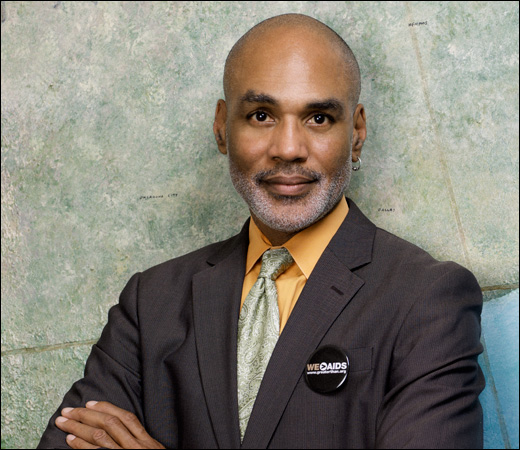
Today is National African American Hepatitis Action Day. As with HIV, African Americans are disproportionately impacted by hepatitis. There are an estimated 1.15 million Americans living with HIV, but there are about 5 million living with hepatitis. Unlike with HIV there is a cure for hepatitis. But you cannot get cured for hepatitis if you do not know your hepatitis status. We urge you to get tested for hepatitis, particularly hepatitis C. Hepatitis tests are often available in the same places as HIV tests. Over the next six months, the Black AIDS Institute is going to be providing a laser focus on what hepatitis means to Black people, providing you with the tools and information you need to find out your status, protect yourself, and if you're positive, get into treatment and be connected to the cure.
July 25 Is National African American Hepatitis C Action Day
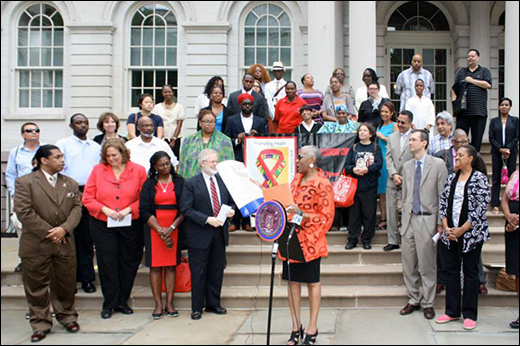
Hepatitis C Action Day in New York, 2013
In the United States, 3.2 million people have chronic hepatitis C virus (HCV) infection. HCV attacks the liver and causes hepatitis C, a contagious liver disease. Blacks make up about 22 percent of all HCV cases, according to the Centers for Disease Control and Prevention.
Read more: July 25 Is National African American Hepatitis C Action Day
AIDS 2014: New Hope for Those Living With HCV/HIV Co-infection

Dr. Henry Lik-Yuen Chan
Life can be challenging for the 130 to 170 million people across the world who have the hepatitis C virus (HCV), a viral infection that impacts the liver. For those living with HIV and hepatitis C, the path to living a healthy life has been particularly arduous. However, new HCV drugs spotlighted during AIDS 2014 are changing that.
Read more: AIDS 2014: New Hope for Those Living With HCV/HIV Co-infection
In This Issue
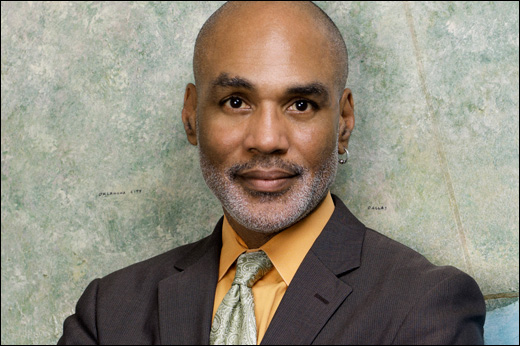
Halfway through the conference it seems that it's true: everything that's new is old and everything that's old is new again. So far, there have been two big messages of this conference. One, not everybody is impacted evenly. It appears that HIV actually does discriminate and—surprise of surprises—it is important that you invest your resources in countries and communities and populations that are most impacted.
Bringing the Story and Science to The People
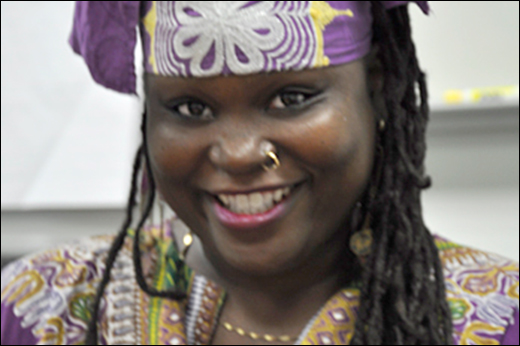
Yaa Simpson
I had never thought about going to Australia, but Lynn Kidd encouraged me so we can chart new international waters while continuing our over 20 years of committed advocacy work within the field of HIV.