In This Issue
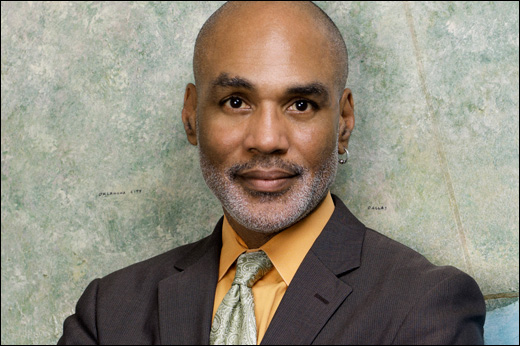
When she was a teenager, Patrice Curry discovered that her mother had HIV. This week, this cast member of the popular VH1 reality show Basketball Wives tells us about how learning of her mother's diagnosis and experiencing her subsequent death from AIDS during Patrice's young adulthood changed Curry's entire life. Read on to learn about her empowering messages for HIV-positive parents.
Patrice Curry on Losing Her Mother to AIDS

Patrice Curry of Basketball Wives LA
Editor's Note: An earlier version of this article appeared with a photograph of the wrong Patrice Curry. We apologize for our error and any embarrassment it may have caused.
Basketball Wives star Patrice Curry was just a freshman in high school when she found out her mother had contracted HIV. At the time, during the early 1990s, most people believed the diagnosis was an immediate death sentence, but seeing a presentation by HIV/AIDS advocate Rae Lewis Thornton helped a then-14-year-old Curry cope with her mother's illness.
New Federal Actions to Address HIV in the Transgender Community

Richard Wolitski, Ph.D., Acting Director, Office of HIV/AIDS and Infectious Disease Policy, U.S. Department of Health and Human Services
Transgender communities in the United States are among the groups at highest risk for HIV infection. The National HIV/AIDS Strategy (NHAS) observes that, historically, our efforts focused on this population have been limited, but that the federal government has made strides in improving our response since 2010. Urging that we remain vigilant in increasing knowledge and appropriate support and interventions for this population, the Strategy rightly includes transgender women, especially Black transgender women, among the populations disproportionately affected by HIV for and with whom we must prioritize interventions.
Read more: New Federal Actions to Address HIV in the Transgender Community
4 Things You'd Say To Your Younger (Positive or not) Self
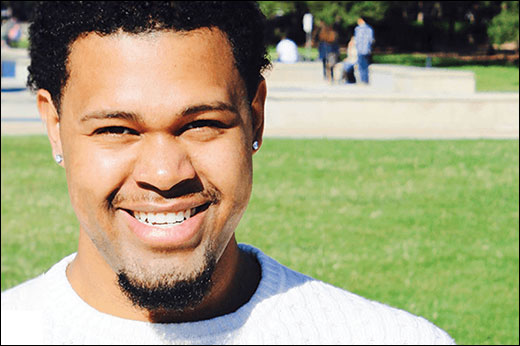
Deondre Moore, Greater Than AIDS Ambassador, NMAC 2016 Youth Scholar, AIDS.gov Black Voices Blogger
I was 19 years old when I was diagnosed and so I have been living (and thriving) with HIV for two years. I'm a Greater Than AIDS Ambassador, a NMAC Youth Scholar, and now a blogger for AIDS.gov. Since I'm young we recently observed National Youth HIV/AIDS Awareness Day, I decided to reach out to a few people older than me, who have lived longer with HIV, to learn from them. What insight do they have for a younger me – or a younger them? What do they know now that they didn't know when they were diagnosed?
Read more: 4 Things You’d Say To Your Younger (Positive or not) Self
Engaging Faith-Based Groups to Address Viral Hepatitis—Archived Webinar Materials Now Available!
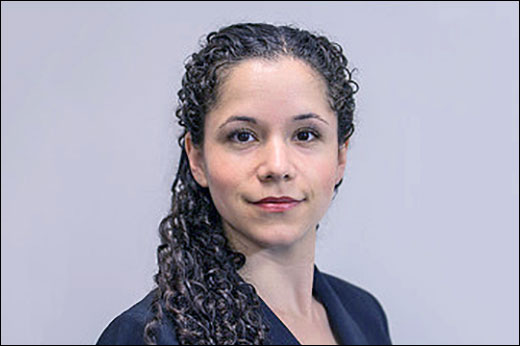
Michelle Moses-Eisenstein, M.P.H., Public Health Analyst, Office of HIV/AIDS and Infectious Disease Policy, U.S. Department of Health and Human Services
Hepatitis B and C affect as many as 2.2 million and 5.3 million people, respectively, from all walks of life and across the United States. To be successful, our national response to viral hepatitis requires that all parts of society participate, including faith communities. Recently, the Department of Health and Human Services (HHS) Office of HIV/AIDS and Infectious Disease Policy (OHAIDP) partnered with the HHS Center for Faith-based and Neighborhood Partnerships (Partnership Center) to sponsor a webinar on the important roles of faith communities in the national response to viral hepatitis.