As Opioid Epidemic Continues, Steps to Curb It Multiply

Oxycodone pain pills, prescribed for a patient with chronic pain
The overdose death toll from opioids, both prescription drugs and heroin, has almost quadrupled since 1999. In 2014 alone, 28,000 people died of opioid overdoses, more than half from prescription drugs.
Read more: As Opioid Epidemic Continues, Steps to Curb It Multiply
In This Issue
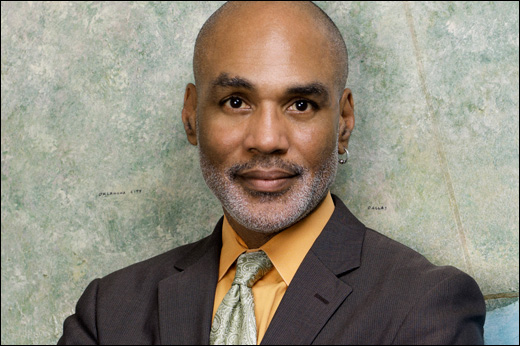
Last week, Emory University in partnership with the CDC released new information about HIV/AIDS prevalence and incidence among MSM around the country. The study used various methodologies to obtain more accurate information about the number of MSM there are on a state, county and city level. This information is critical in our attempt to assess the actual magnitude of the AIDS epidemic among MSM in America. The data confirmed what many people have been saying for a while—that the AIDS epidemic is not over. It's particularly not over among gay and bisexual men, and it's really really not over among MSM in the South.
New Analyses Offer Clearer Picture of Where to Target HIV Prevention and Care Efforts to reach Gay and Bisexual Men at Greatest Need
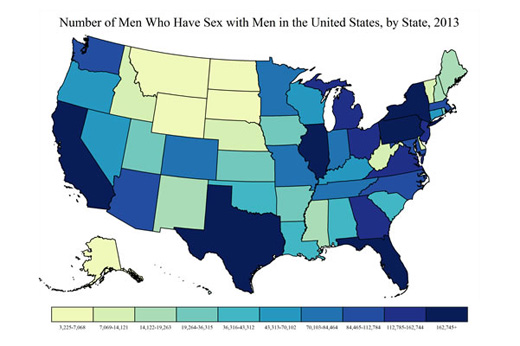
Number of men who have sex with men in the U.S., by state, 2013, per data collected from the American Community Survey. Originally published in JMIR Public Health Surveillance, 2016
In the United States, the burden of HIV is disproportionately high for men who have sex with men (MSM), who account for approximately two-thirds of all new diagnoses each year. Results from a new study estimating rates of HIV prevalence (number of people living with an HIV diagnosis) among MSM at local levels highlight areas where gay and bisexual men are at greatest risk for HIV infection. Focusing on these areas will allow health departments and community-based organizations to provide HIV prevention and care resources to MSM who need them most.
With New Data, States Can Better Focus HIV Prevention for Gay, Bisexual, and Other Men Who Have Sex With Men
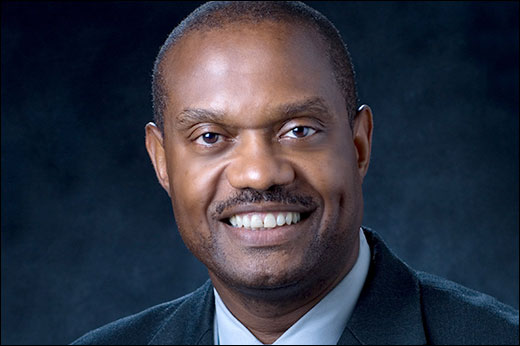
Eugene McCray, M.D., Director, Division of HIV/AIDS Prevention, National Center for HIV/AIDS, Viral Hepatitis, STD, and TB Prevention, Centers for Disease Control and Prevention
As CDC reported in December, our nation is making substantial but uneven progress on HIV prevention for gay, bisexual, and other men who have sex with men (MSM). Over the past decade, new HIV diagnoses declined significantly among white MSM, but increased among Latino MSM. Among black MSM, the sharp increases we saw just a few years ago have since leveled off – a sign of progress and cause for optimism, even if the numbers remain unacceptably high.
New Issue Brief from Kaiser Family Foundation Examines Impact of ACA on People Living with HIV
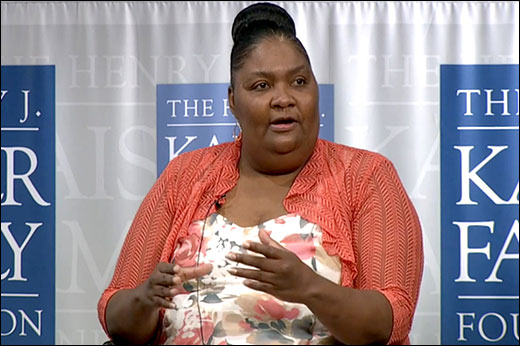
Shandora Lane, Ryan White Client, Georgia
The Kaiser Family Foundation has released a new issue brief, The ACA and People Living with HIV: An Update [PDF 603 KB]. The brief takes a second look at the impact of the Affordable Care Act (ACA) on people with HIV in five states—California, Florida, Georgia, New York, and Texas. Observations are drawn from interviews in early 2016 in which participants discussed their experiences with the ACA, following up on an earlier report from 2014 when coverage opportunities were only newly available.