Acting HHS Assistant Secretary for Health: Statement on National Minority Health Month

Healthy and happy
This April, as a nation we commemorate National Minority Health Month with a focus on how we are working to accelerate health equity for the nation.
Read more: Acting HHS Assistant Secretary for Health: Statement on National Minority Health Month
In This Issue
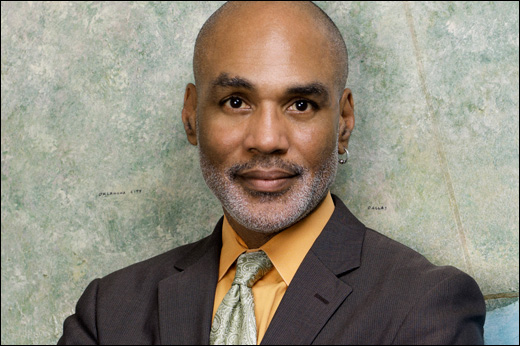
I am excited to announce that today the Black AIDS Institute is releasing its 17th State of AIDS Report: "Black Lives Matter—What's PrEP Got to Do With It?"
Black AIDS Institute Releases 12th Annual State of AIDS in Black America Report: 'Black Lives Matter—What's PrEP Got to Do With It?'
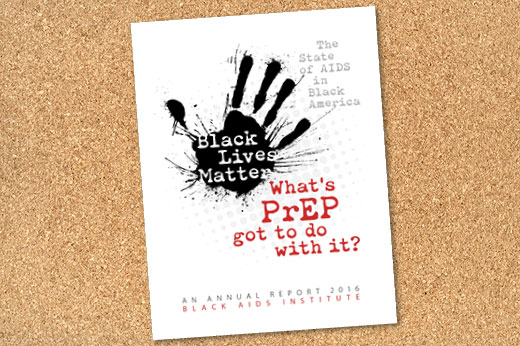
Black Lives Matter: What's PrEP got to do with it? The State of AIDS in Black America 2016
Los Angeles, April 19, 2016—Today the Black AIDS Institute, in partnership with Gilead Sciences, is releasing its 2016 report on the State of AIDS in Black America: "Black Lives Matter: What's PrEP Got to Do With It?" The report focuses on what Black communities need to know about pre-exposure prophylaxis (PrEP) and other new biomedical HIV prevention tools.
Phill Wilson: Still Answering the Black AIDS Call at 60 Years Old
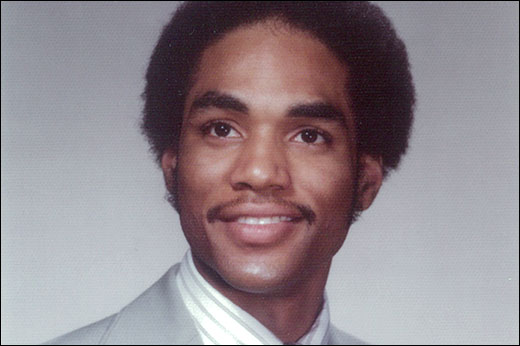
Phill Wilson, 1977
The first cases of what would become HIV/AIDS hit the news on June 5, 1981. Soon after, Phill Wilson, then just 25, and his new boyfriend, Chris Brownlie, were both diagnosed with swollen lymph nodes, which their doctor suggested could be related to the mysterious disease. Initially they were not afraid. The media widely reported that GRID (Gay-Related Immune Deficiency) was a white gay disease on the East and West coasts, or was contracted through poppers or by contact with "sexual athletes"—none of which they thought pertained to their lives in Chicago.
Read more: Phill Wilson: Still Answering the Black AIDS Call at 60 Years Old
April 18: Inaugural National Transgender HIV Testing Day (NTHTD)
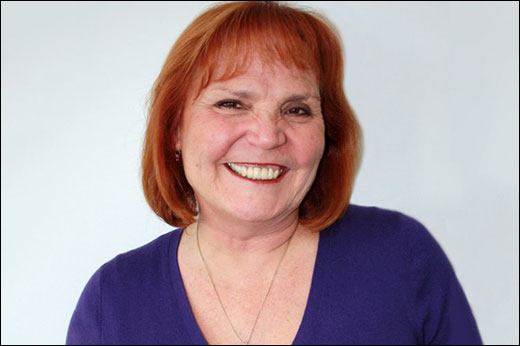
JoAnne Keatley, MSW, Director, UCSF Center of Excellence for Transgender Health
Transgender communities in the United States are among the groups at highest risk for HIV infection. Many of us in the transgender (trans) community have been dismayed by the continued impact of HIV and AIDS on our trans sisters and brothers. We have worked hard to address the epidemic from within—with the limited resources we've been able to generate—to try to mitigate the loss of lives. HIV claims far too many of us, along with severe poverty, violence, joblessness, and stigma. It can often be overwhelming. Still, we try to create approaches where we can make a difference. In response, CDC's Capacity Building Assistance Provider Network partner, the Center of Excellence (COE) for Transgender Health at the University of California, San Francisco, launched the inaugural National Transgender HIV Testing Day (NTHTD) on April 18, 2016. We believe this is one approach that will lead to real difference.
Read more: April 18: Inaugural National Transgender HIV Testing Day (NTHTD)