In This Issue
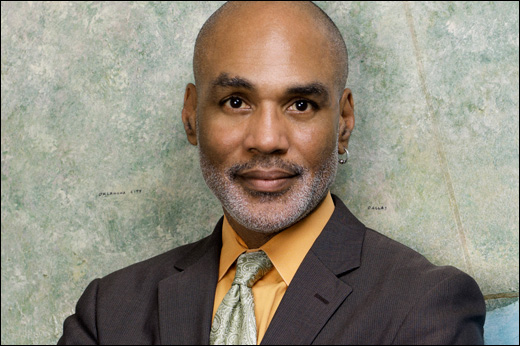
A funny thing happened on the way from a meeting with Senator Bernie Sanders.
On the 35th Anniversary of HIV/AIDS, Will Nation's HIV/AIDS Strategy Ever Reach Black MSM in the South?

Ready to take charge
In mid-May, new data from Emory University showed convincing evidence of the elevated rates of HIV among MSM, with the highest concentration among gay and bisexual men in the South.
People With HIV Are Less Likely To Get Cancer Treatment

Gita Suneja, M.D., M.S., Radiation Oncologist, Huntsman Cancer Institute, University of Utah, Salt Lake City, Utah
We've made great progress treating people who are infected with HIV, but if they get cancer they're less likely to get the care they need, a recent study found.
Read more: People With HIV Are Less Likely To Get Cancer Treatment
HRSA Funding Opportunity to Support Leadership Training for People Living with HIV

Antigone Dempsey, M.Ed., Director, Policy and Data, HIV/AIDS Bureau, Health Resources and Services Administration, U.S. Department of Health and Human Services
Hodgins thinks that one young voice is not enough. "Testing empowered me," she says. "It can empower other young people [living with HIV]...we need to get together so our voices can be heard."
—Antigone Hodgins Dempsey, Your daughter's voice , Mother Jones Nov/Dec 1993
Read more: HRSA Funding Opportunity to Support Leadership Training for People Living with HIV
HHS Finalizes Rule to Improve Health Equity Under the Affordable Care Act

U.S. Department of Health and Human Services debuts new viral hepatitis website
The Department of Health and Human Services (HHS) has issued a final rule to advance health equity and reduce health care disparities. Under the rule, individuals are protected from discrimination in health care on the basis of race, color, national origin, age, disability and sex, including discrimination based on pregnancy, gender identity and sex stereotyping. In addition to implementing Section 1557's prohibition on sex discrimination, the final rule also enhances language assistance for people with limited English proficiency and helps to ensure effective communication for individuals with disabilities. The protections in the final rule and Section 1557 regarding individuals' rights and the responsibilities of many health insurers, hospitals, and health plans administered by or receiving federal funds from HHS build on existing federal civil rights laws to advance protections for underserved, underinsured, and often excluded populations.
Read more: HHS Finalizes Rule to Improve Health Equity Under the Affordable Care Act
- As Opioid Epidemic Continues, Steps to Curb It Multiply
- In This Issue
- New Analyses Offer Clearer Picture of Where to Target HIV Prevention and Care Efforts to reach Gay and Bisexual Men at Greatest Need
- With New Data, States Can Better Focus HIV Prevention for Gay, Bisexual, and Other Men Who Have Sex With Men