In This Issue
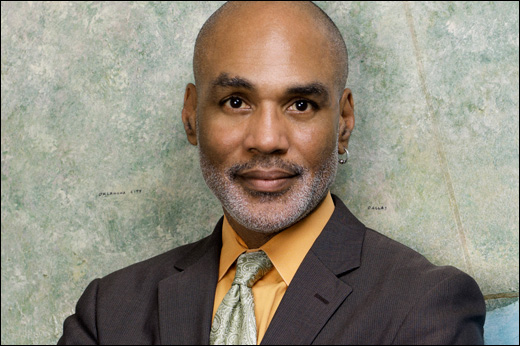
A funny thing happened on the way from a meeting with Senator Bernie Sanders.
After a few false starts—and thanks in part to the efforts of Black AIDS Institute Board Member Emeritus Danny Glover and the persistence of veteran AIDS activist Peter Staley—AIDS activists met with Senator Bernie Sanders last week, to talk about HIV/AIDS and the 2016 presidential campaign as well as some of the HIV-related challenges facing the next president.
Nineteen activists representing a broad coalition of organizations and individuals living with HIV and AIDS, or at risk for HIV and AIDS, or working in the HIV/AIDS field participated in the meeting. Politically, the participants' opinions were mixed: undecided, Clinton supporters and Sanders supporters.
The good news is that the meeting went very well. While Senator Sanders has a long, strong and unapologetic history of opposition to corporate greed, including and particularly that of the pharmaceutical industry, it was clear that HIV/AIDS is not a topic the Senator has focused on in great detail in the past. He seemed unaware of many of the challenges faced by PLWHA or those at risk for HIV infection as well as some of the complexities associated with effectively addressing the AIDS epidemic in the U.S. and beyond. Having said that, the Senator was eager to hear what we had to say and expressed strong support for most of our concerns. At the end of the meeting, the feeling among the activists was very positive.
But after the meeting, the Sanders campaign issued a press release about the meeting that focused on a California ballot initiative to cap the price the State can pay for pharmaceutical drugs, implying that California initiative was the primary topic of the meeting. In fact, the initiative had barely been discussed. First, because the coalition had not developed a position on the initiative one way or another. But also because there are California-based AIDS activists and providers who agree with reducing the prices of pharmaceutical drugs, but are not yet sure whether this particular initiative will accomplish that goal.
When the coalition reacted to the way the press release mischaracterized the meeting, the Sanders campaign accused us of opposing the California initiative by stating that we are tools of the pharmaceutical industry, since some of our organizations receive industry support. (By way of disclosure, the BAI does receive support from the pharmaceutical industry, among others.) In the meeting, our position was not to support or oppose the initiative. In fact, some members of the coalition probably support the initiative while others don't support it. Our point was that the initiative was not a priority discussed during the meeting. In fact, activists brought the initiative up to insure the Senator was aware that there was a lack of consensus in California and to encourage him to meet with California-based organizations.
I am surprised and disappointed by how quickly a meeting that went so well got derailed so quickly. The challenge for all of us now is to figure out we get back to that place where we were at the end of the activists/Sanders meeting. It appears to
be an age-old challenge in politics and coalition building. How do we focus on what we have in common in order to move forward for the greater good?
Given the things he said during the meeting, I think that Senator Sanders is committed to fighting the AIDS epidemic and possibly ending the U.S. epidemic during the next administration, should he be that person. But even if he is not the next president of the United States, Senator Sanders has the potential to be a strong advocate on behalf of PLWHA and those most at risk of acquiring HIV. It is our job to work with him, to get to know him, to make sure he gets to know us, and to make sure he is informed about the issues that are important to us. Misunderstandings happen. Conflicting agendas complicate the work. But in the end, we will be judged by whether or not we get the job done.
This Sunday we mark the 35th anniversary of the AIDS epidemic in the United States. So in this week's issue we thought it fitting to ask: When will our nation's HIV strategy be effective for Black gay and bisexual men—especially those who live in the South, the population most at risk. Writer Linda Villarosa brings the recent Emory University study to its obvious conclusion—one begged but not answered by the data.
Despite the advances in HIV treatment, recent research shows that PLWHA who get cancer are less likely to get the care they need. Our friends at Kaiser Health News report. HRSA's HIV/AIDS Bureau recently published a Funding Opportunity Announcement, Leadership Training for People of Color Living with HIV, a three-year program to support the development and delivery of training programs for people of color living with HIV as well to encourage leadership among transgender women. Our friends at AIDS.gov provide the details. The HHS Press Office tells us about its new ruling to protect people from discrimination in health care on the basis of race, color, national origin, age, disability and sex, including discrimination based on pregnancy, gender identity and sex stereotyping. Finally, we run a ProPublica piece on the efforts to stem the opioid epidemic.
As we come to the end of the 2016 primary season, don't forget next Tuesday (June 7th) there are primaries and caucuses in California, Montana, New Jersey, New Mexico, North Dakota, and South Dakota. The final primary of the year will take place in Washington D.C. on Tuesday, June 14.
Yours in the struggle,
Phill