Show Me Some Money: Global HIV/AIDS Funding On The Decline
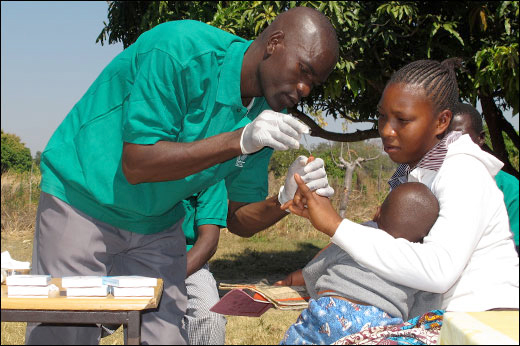
Reduction impacts programs. Photo: Linda Villarosa
Throughout AIDS 2016, whispers that global funds to fight HIV/AIDS have begun to dry up have turned to shouts. In the crowded hallways of the International Convention Center, on panels, plenaries and even t-shirts, everybody seems to be worried that The Global Fund to Fight HIV, Tuberculosis and Malaria won't be fully funded and international dollars are fading away. In fact, organizers of Monday's march through Durban said they created their event to bring attention to the "massive disconnect" between the promises to end HIV/AIDS by 2030 and the lack of funding to actually make it happen.
Read more: Show Me Some Money: Global HIV/AIDS Funding On The Decline
Phill Wilson: We Must Stay in the Game Until We End the HIV/AIDS Epidemic
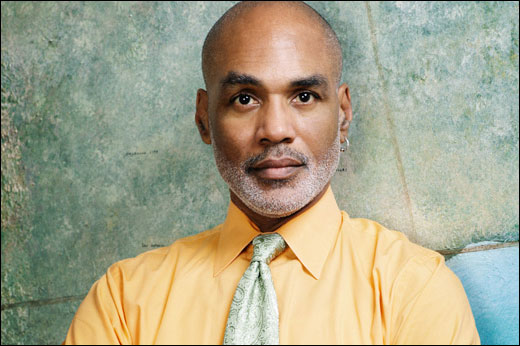
Phill Wilson, President and CEO, Black AIDS Institute
A conversation with the Black AIDS Institute's president and chief executive officer.
Read more: Phill Wilson: We Must Stay in the Game Until We End the HIV/AIDS Epidemic
Vaginal Ring May Cut HIV Infection Risk if Used Consistently
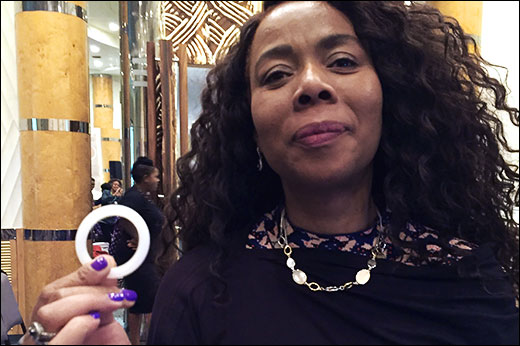
Women Now 2016! Summit co-chair Prudence Mabele shows off The Ring. Photo: Hilary Beard
A new exploratory analysis of data from the ASPIRE study has found that using a drug-infused vaginal ring most or all of the time reduced the risk of HIV infection in women by at least 56 percent. This finding was reported at a press briefing at the 21st International AIDS Conference (AIDS 2016) in Durban, South Africa, and will be presented in more detail tomorrow in a lecture at the conference.
Read more: Vaginal Ring May Cut HIV Infection Risk if Used Consistently
Kassandra Fredrique: Black Women Are Invisible, Including Being Protected From HIV
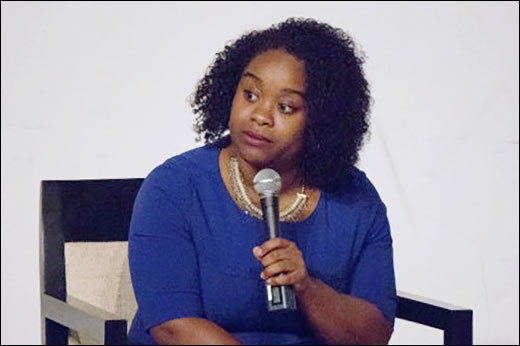
Kassandra Frederique, state director of the New York policy office at the Drug Policy Alliance
This week at the 21st Annual International AIDS Convention in Durban, South Africa, researchers released a study indicating they now know a primary driver of HIV infections among Black women: sexual encounters with Black men who have been released from a state or federal prison. With Black women's primary intimate partners incarcerated at a rate of a whopping 2,724 per 100,000 compared to 1,091 per 100,000 for Latino men and 465 per 100,000 white men—a majority of them due to low-level drug crimes—it is Black women (and by extension Black children) who experience the fallout from HIV right along with the men. Kassandra Fredrique, state director of the New York policy office at the Drug Policy Alliance, sounds off on the deeply tangled web of conditions that make Black women and their families particularly vulnerable to the disease.
Read more: Kassandra Fredrique: Black Women Are Invisible, Including In Being Protected From HIV
Chris Beyrer, M.D.: Mass Incarceration is Driving the HIV Epidemic Among African American Women
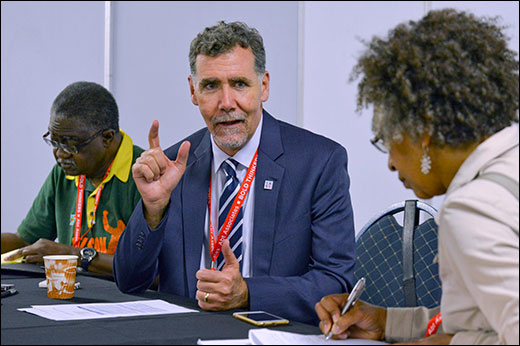
IAS President and AIDS 2016 co-chair Chris Beyrer, M.D., talks to the Black Media Delegation. Photo: Freddie Allen
In the days before the Conference began, International AIDS Society President and AIDS 2016 co-chair Chris Beyrer, M.D., met with the Black Media Delegation to preview some of the late-breaking news at the International AIDS Conference in Durban, South Africa. Dr. Beyrer was particularly excited about the July 2016 issue of the British medical journal The Lancet, which contains an analysis of HIV, viral hepatitis and tuberculosis among prisoners worldwide. We became very disturbed about new research he shared about the relationship between mass incarceration and the HIV epidemic among African American women—especially because we now know that untreated HIV is infectious HIV and we have been sold this story that the epidemic has been driven by the "down low". What follows is a heavily edited version of a long conversation.