Sex, Lies and HIV: When What You Don't Tell Your Partner Is a Crime, Part 7

The seventh in a series of stories on HIV stigma and criminalization.
Whether Adam Plendl actually faced a significant risk for contracting HIV from Rhoades, or was even exposed to the virus during their encounter remains unclear. HIV is far less transmissible than many other sexually transmitted infections, such as herpes. Even for unprotected anal sex, the riskiest sexual act, the receptive partner's chances of contracting HIV have been estimated at only five in 1,000. (The insertive partner is at a much lower risk.)
Read more: Sex, Lies and HIV: When What You Don't Tell Your Partner Is a Crime, Part 7
President Obama Launches My Brother's Keeper, His New Initiative to Help Young Men of Color
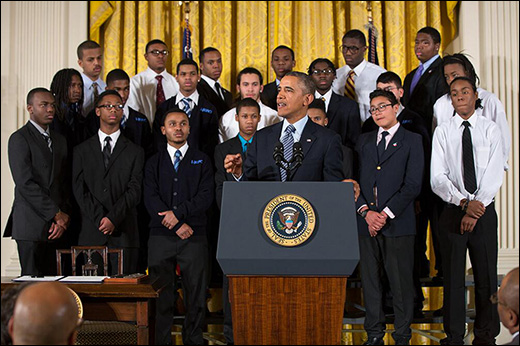
This afternoon, in the East Room of the White House, President Obama delivered remarks at the launch event for My Brother's Keeper – his new initiative aimed at helping young men and boys of color facing tough odds reach their full potential. The initiative will bring together private philanthropies, businesses, governors, mayors, faith leaders, and nonprofit organizations that are committed to helping them succeed.
Tapping Into the Power of Prayer
Somebody prayed for me,
Kept me on their mind,
took time to pray for me.
I'm so glad they prayed for me...
Sex, Lies and HIV: When What You Don't Tell Your Partner Is a Crime, Part 6
The sixth in a series of stories on HIV stigma and criminalization.
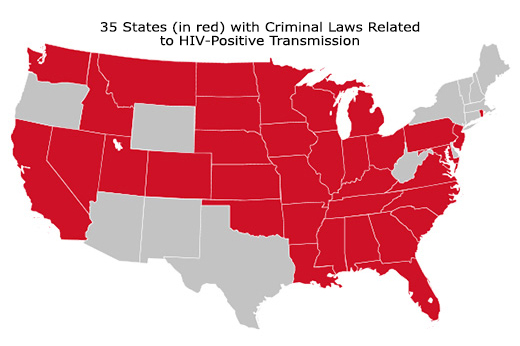
One consequence of the viral exposure legislation is that public health activities and law enforcement, which have traditionally been kept separate, can now overlap. In some states, such as Mississippi, people who test HIV-positive are routinely asked to sign a document called a "Form 917." By signing it, patients acknowledge they have been counseled about the basics of living with HIV, including the legal consequences of not telling partners they have the virus. Similar forms have also been used in Arkansas, Michigan and North Dakota.
Read more: Sex, Lies and HIV: When What You Don't Tell Your Partner Is a Crime, Part 6
BTAN Richmond: Collaboration Is Key

According to data released by the Virginia Department of Health, Richmond has one of the highest rates of HIV in the country. Approximately 2,300 people in the city are living with the disease, and more than 70 new cases are detected every year. More than 80 percent of Richmond residents with HIV are African American; the fastest-growing population is men who have sex with men.