"Brown Bag" Events Shed Light on Fourth-Generation HIV Testing
Advances in HIV testing took center stage as The Black AIDS Institute kicked off its 2014 Brown Bag Lunches, a train-the-trainer series that brings biomedical information, HIV-related policy and HIV research to communities across the country.
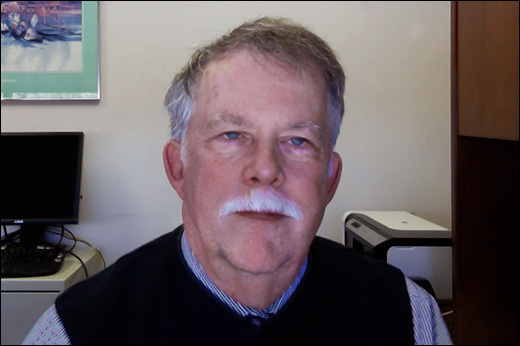
Twenty-six Brown Bag leaders from coast to coast participated in a webinar on fourth-generation HIV testing on Jan. 29. The presentation, titled "4th-Generation HIV Diagnostics," was led by Eugene G. Martin, Ph.D., professor of pathology and laboratory medicine at Rutgers University's Robert Wood Johnson Medical School. The presentation focused on the importance of detecting HIV at an earlier stage and how fourth-generation HIV tests—the latest crop of screening tools—accomplish this.
Earlier-generation HIV tests identify HIV antibodies, which are proteins produced by the immune system when it detects HIV in the body. Fourth-generation tests, however, detect HIV antibodies and p24 antigen, a protein that is found in the virus itself. Because it typically takes a few weeks for the body to develop an immune response to HIV, fourth-generation tests make it possible to diagnose HIV sooner after infection.
An earlier diagnosis allows one to begin treatment earlier. Once someone begins taking ARVs, he or she has a lower viral load, which lowers the risk of HIV transmission. Knowing one's status can also inspire behavioral changes that can cut down on the transmission of HIV.
Taking It to the Community
The dissemination of information did not stop with the webinar. Participants hosted Brown Bag Lunches where they discussed fourth-generation HIV testing in a number of cities, including Atlanta; Cleveland; Jackson, Miss.; and Los Angeles.
"I'm really big on bringing things to Cleveland from national organizations," says Julie Patterson, one of the Brown Bag leaders. Patterson is a community advisory-board member for the AIDS Clinical Trials Unit at Case Western Reserve University's University Hospitals Case Medical Center. She partnered with Naimah O'Neal and Elaine Henderson, both from the Positive Women's Network in Ohio, to put together a Brown Bag event on fourth-generation testing. AVAC also served as an event sponsor.
The Cleveland Brown Bag event took place Feb. 11 during a community advisory-board meeting of the AIDS Clinical Trials Unit. Approximately 18 participants took part in the presentation, and "we were able to piece together a better picture of the current state of testing," Patterson says. Although a few attendees had heard about fourth-generation HIV testing, the information was new to most of the participants. "It was helpful to know more about who's doing what at an advanced level," Patterson adds.
Stanley Lee, a clinical social worker for the U.S. Department of Veterans Affairs, brought the information to a different audience when he held a Brown Bag event for 20 homeless people at a Salvation Army in Atlanta on Feb. 14.
The event's participants had varying degrees of knowledge about HIV. Some admitted that they had not been tested or that it had been a while since they had last had an HIV test. Others were familiar with blood tests but weren't aware that there were rapid HIV tests. Some were unaware of how serious the threat of HIV is in the Black community. "One guy thought there was already a cure for HIV," Lee says.
The event was helpful in that it cleared up some misconceptions and left attendees with a better understanding of the realities of HIV in the Black community. But perhaps the biggest benefit was that it inspired some attendees to take an action that could change their lives and their community for the better.
"Some left there with every intention of getting tested," Lee says.
Tamara E. Holmes is a Washington, D.C.-based journalist who writes about health, wealth and personal growth.