Consumers Whose Income Drops Below Poverty Get Break On Subsidy Payback

A puzzlement
Right about now, some low-income people who just barely qualified for subsidies on the health insurance marketplace are starting to worry: What if my income for the year ends up below the poverty level? Will I have to pay back the premium tax credits I received?
Read more: Consumers Whose Income Drops Below Poverty Get Break On Subsidy Payback
Time to Shop for Coverage through The Health Insurance Marketplace

Shopping for coverage
Consumers can now sign up for 2015 health insurance plans through HealthCare.gov, the call center, or in-person assistance. With more issuers offering coverage through the Health Insurance Marketplace this year, the consumers will find more options for themselves and their families.
Read more: Time to Shop for Coverage through The Health Insurance Marketplace
Drug Use but Not Race Affect PEP Use in High-Risk Los Angeles Group
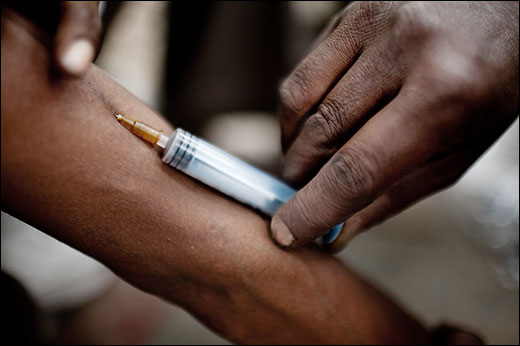
Drugs and PEP
Illicit drug use and gonorrhea raised chances that people using a Los Angeles healthcare center would ask for postexposure prophylaxis (PEP). Race did not affect chances of PEP use, though African Americans represented a disproportionate number who tested positive for HIV.
Read more: Drug Use but Not Race Affect PEP Use in High-Risk Los Angeles Group
Consumer Guide To The Supreme Court's Action On ACA Subsidy Issue
 '
'
Supreme Court Justice John Roberts
The Supreme Court agreed to hear a case on a subject that's important to millions of people who receive subsidies to help purchase coverage under the health-care law. Friday's decision follows earlier action in July when two U.S. appeals courts issued conflicting rulings on the issue. KHN's Mary Agnes Carey answers some frequently asked questions about those court decisions and how they impact consumers.
Read more: Consumer Guide To The Supreme Court's Action On ACA Subsidy Issue
HIV and Aging: The Virus Among Those 50-Plus

Peter Reiss
Medical advances intended to suppress viral loads and keep PLWHA healthy for a longer time have been effective. But as the 50-and-over poz population grows larger and older—and as the rate of new infections among those 50-plus continues to rise—concerns exist about their care. Are we doing all we can to keep co-morbidities at bay? And what kinds of services will best suit the needs of this population? At AIDS 2014, researchers explored these and other issues.