HIV and Aging: The Virus Among Those 50-Plus
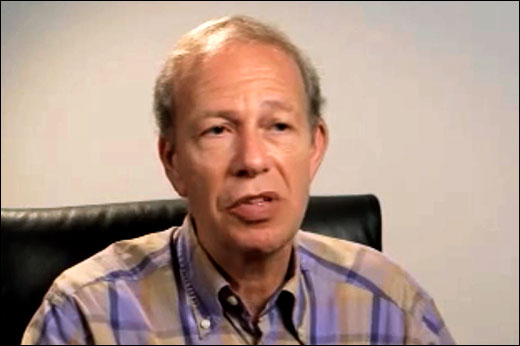
Peter Reiss
Medical advances intended to suppress viral loads and keep PLWHA healthy for a longer time have been effective. But as the 50-and-over poz population grows larger and older—and as the rate of new infections among those 50-plus continues to rise—concerns exist about their care. Are we doing all we can to keep co-morbidities at bay? And what kinds of services will best suit the needs of this population? At AIDS 2014, researchers explored these and other issues.
Rising Numbers, Rising Concerns
In the early stages of the epidemic, AIDS was considered a young person's disease. Health-care providers and public health officials focused on getting prevention messages to sexually active young people to slow the virus's spread.
More recently, HIV rates among older populations have begun to rise. In 2001, 17 percent of Americans newly diagnosed with HIV were age 50 or older. In 2009 that number had almost doubled to 32.7 percent. Almost 25 percent of new infections in this age group occurred among Black men, and 15 percent were Black women.
Why the rise in HIV incidence? It could be that middle-aged and older people regard HIV as a disease of the young. They may not realize that they, too, have the same risk factors for the virus and other STDs. Stigma often prevents discussions about safer-sex practices among this population.
Aging Is a Risk Factor for HIV
Aging places older people at greater risk of acquiring HIV. Not only do older people have a greater chance of having a compromised immune system, but their skin and mucous barriers also break more easily, making them more susceptible to infections. Peter Reiss, a professor of medicine at the Academic Medical Center in Amsterdam and director of the Netherlands HIV Monitoring Foundation, stated: "Aging is, by far, the strongest risk factor of these [chronic disease] conditions. It's characterized by a progressive loss of physiological integrity, leading to impaired function and increased vulnerability to death."
Co-Morbidities Come With the Territory
For many people as they age, HIV is not their only health concern. Co-morbidities—the presence of more than one medical condition in a person—make aging more difficult. Not only do PLWHA have to worry about HIV, but they also need to consider age-related medical issues such as hypertension, osteoporosis, dementia and certain cancers.
At around age 50, the number of PLWHA who have three or more co-morbidities begins to rise. By age 60 that number is "strikingly higher," Dr. Reiss said. By 65, more than 30 percent of PLWHA are also dealing with three or more medical conditions. "Having a longer time with a CD4 count below 200 puts a person at greater risk for co-morbidities," Dr. Reiss said. "Even in people with well-treated HIV infection, there is persistent immune dysregulation which increases the chance of other problems."
The good news is that more research is being done on HIV among older people. Studies such as "Taking It One Day at a Time: African American Women Aging With HIV and Co-Morbidities" are focusing on the barriers among African American women and creating an avenue to dialogue about ways to manage health and socioeconomic issues better.
Candace Y.A. Montague is a freelance health writer in Washington, D.C., who has been published in The Grio, The Body and Capital Community News.