In This Issue
Today, President Obama wraps up a historic three-day trip to Cuba—the first time a sitting U.S. president has visited the country in nearly 90 years. This trip is the equivalent to Richard Nixon's trip to China. The U.S. ratcheted up sanctions on Cuba in 1960. Diplomatic relations between the two countries broke off in 1961. With tensions increasing after Cuba signed a trade agreement with the Soviet Union, President John F. Kennedy made the embargo official in 1962.
Highlights from Black AIDS Institute Delegation at CROI 2016

Matthew Rose, Program Coordinator, Black AIDS Institute
Every year the top scientists in HIV, HCV and other retroviruses gather at CROI, the Conference on Retroviruses and Opportunistic Infections. CROI has become a place to break new science; where careers are made, and new paths are revealed toward ending the epidemic. At CROI 2016, held in February in Boston, the Black AIDS Institute partnered with AVAC and the Community Liaison Subcommittee of CROI for the second year in a row to bring a delegation of community advocates to this formidable conference and help them understand and bring science presented at CROI back home to their communities. Here are five highlights BAI delegates took away from the conference.
Read more: Highlights from Black AIDS Institute Delegation at CROI 2016
We'll Always Have Cuba, Part 1

Cuba entourage
A round-table discussion with four members of the Black AIDS Institute Cuban delegation
Health Care Apps Often Offer Little Privacy Protection: Study

Apps might not secure your health data as much as expected
If you're relying on your smartphone to share medical information with your doctor, you may be risking the privacy of your health records, a new study warns.
Read more: Health Care Apps Often Offer Little Privacy Protection: Study
Liver Cancer Death Rate Increasing Faster Than All Other Cancers; Implementation of Viral Hepatitis Action Plan Urgently Needed
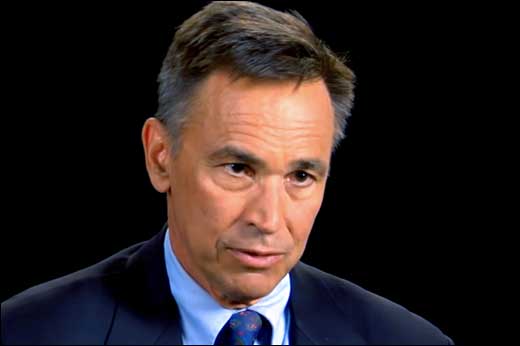
John Ward, M.D., Director, Division of Viral Hepatitis, Centers for Disease Control and Prevention
On March 9th, the American Cancer Society, Centers for Disease Control and Prevention (CDC), National Cancer Institute, and the North American Association of Central Cancer Registries released their Annual Report to the Nation on the Status of Cancer, revealing that the rate of new cases of liver cancer is rapidly increasing and the death rate from liver cancer is increasing faster than from all other cancers. Liver cancer remains the nation's second leading cause of death. While we have made some great advances in viral hepatitis prevention and treatment, viral hepatitis is a leading cause of liver cancer in the United States. "The latest data show many cancer prevention programs are working and saving lives," said CDC Director Tom Frieden, MD, MPH. "But the growing burden of liver cancer is troublesome. We need to do more work promoting hepatitis testing, treatment, and vaccination."