Empowering Black Leaders to Fight HIV
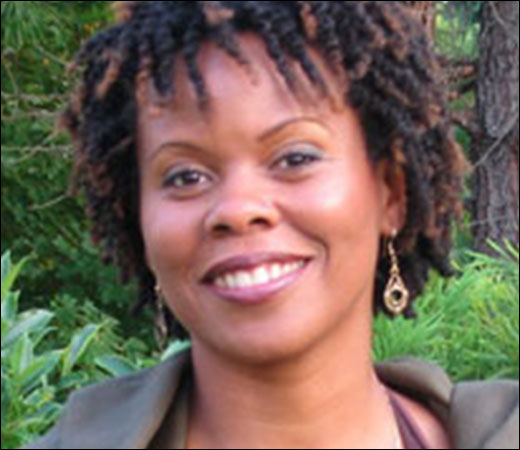
Chandra L. Ford is an assistant professor in the Department of Community Health Sciences at the University of California, Los Angeles.
Over the past 30 years, researchers have learned a lot about human immunodeficiency virus and acquired immune deficiency syndrome among African-Americans. African-Americans generally do not engage in more risk behaviors than whites do, and proportionally more blacks than whites have been tested for H.I.V. infection. H.I.V. prevalence, the proportion of people living with H.I.V., is higher among blacks than whites, however; therefore blacks who engage in any behavior known to transmit H.I.V., like sex without a condom, may be more likely than their white counterparts to become H.I.V. positive. Among blacks, gay and bisexual men are affected most profoundly.

Outreach With Respect
Frank J. Oldham Jr. is the president and chief executive of the National Association of People With AIDS.
The number of new HIV infections in young gay black men is rising. As an openly gay black man who has lived with HIV for 22 years, I know what that costs us. We have to change things, but how?
Focus on At-Risk Groups
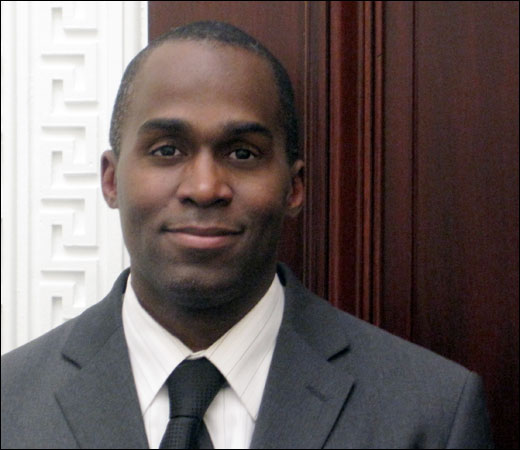
Gregorio A. Millett is a senior scientist at the Centers for Disease Control and Prevention, and previously served as senior policy adviser in the White House Office of National AIDS Policy.
Yes, H.I.V. continues to disproportionately affect gay and bisexual men in the United States, particularly young black gay men. But we should not leap to the conclusion that these disparities in infections are neatly explained by higher-risk behavior. More than 150 research studies have compared sexual and drug risk among black and white gay men in the United States. On the whole, black gay men do not engage in riskier sex, report fewer male sex partners, report less drug use, and are just as likely to get tested for H.I.V. as white gay men. Why then do black gay men continue to bear the brunt of H.I.V.?

Navigating Without a Map
Emma DeVito is the C.E.O. of VillageCare, a nonprofit in New York serving people with H.I.V.
In our response to the AIDS epidemic, we’ve often been confounded when it comes to effective prevention techniques and activities, especially as the disease found its way into populations outside the mainstream.
Drifting Toward Love: Black, Brown, Gay and Coming of Age on the Streets of New York
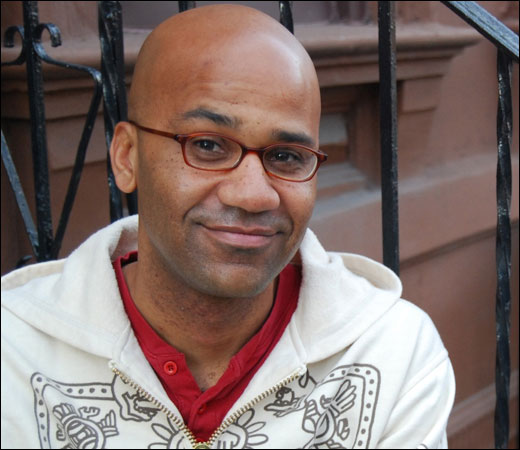
Kai Wright, the editorial director of Colorlines.com, is the author of “Drifting Toward Love: Black, Brown, Gay and Coming of Age on the Streets of New York.”
Here’s the first thing to understand about H.I.V.: there’s nothing simple about it. Yes, everyone from public health officials to AIDS awareness activists has worked valiantly to communicate some simple truths: it’s a preventable infection; anybody can get it; silence equals death. All that’s true. But in more than 15 years of reporting on the epidemic, I’ve yet to see or hear of a silver-bullet solution.
Read more: Drifting Toward Love: Black, Brown, Gay and Coming of Age on the Streets of New York