
How to Close the Race Gap in H.I.V.?
Introduction
H.I.V. infection rates have stabilized in much of the American population -- an achievement that public health officials say points to the effectiveness of various long efforts, including H.I.V. education in schools, which began in New York in 1987. But data released last week by the Centers for Disease Control and Prevention show that rates are increasing sharply in one subgroup: young gay black men.
There's a Better Approach
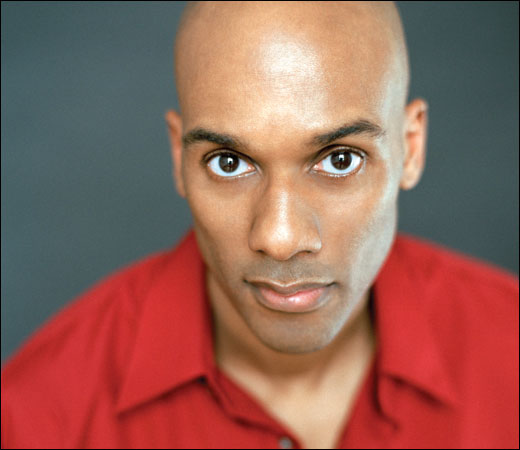
Keith Boykin, a former Clinton White House aide, is the author of "Beyond the Down Low: Sex, Lies and Denial in Black America" and the forthcoming "For Colored Boys Who Have Considered Suicide When The Rainbow Is Still Not Enough."
A few days ago, a friend took me to a gay bar on Bourbon Street in New Orleans and a young white man walked over and asked if we wanted to take a free H.I.V. test upstairs. We declined. From what I could tell, not many others were walking upstairs either.
H.I.V. Is Not in a Vacuum
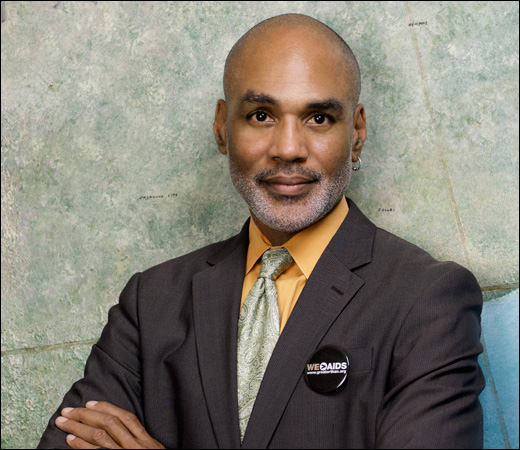
Phill Wilson is founder, president and C.E.O. of the Black AIDS Institute.
According to the Centers for Disease Control and Prevention data released last week, H.I.V. infections among most populations in the United States, while unacceptably high, have remained relatively stable in recent years. But among young black gay and bisexual men ages 13 to 29, the data show a 48 percent increase in new infections from 2006 to 2009. Our nation’s H.I.V. prevention efforts have stalled at best, and among young black men who have sex with men, we have clearly failed.
Let's Start With Sex Ed
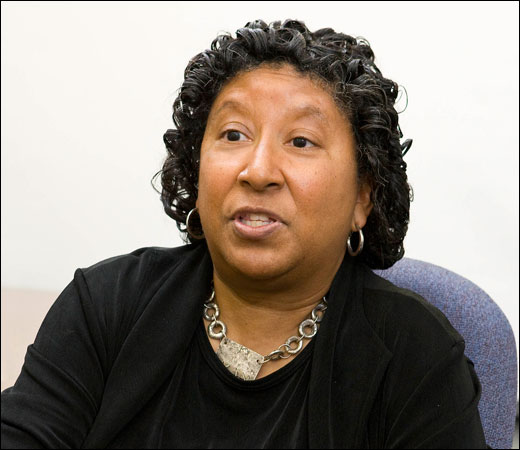
Vickie M. Mays is a professor of psychology and health services at the University of California, Los Angeles.
The unacceptably high and rising H.I.V. incidence rate in young black gay men is an old problem. It is time to move beyond blaming young black gay men for taking sexual risks, blaming the black community for stigmatizing homosexuality, blaming poverty for lack of access to medical care, and blaming everyone and everything for the lack of leadership and political will to do what is needed.

An Attitude Adjustment
Hugo M. Mialon is an associate professor of economics at Emory University.
Policies focused on reducing racial gaps in education, income and access to health care are likely to be effective in reducing the racial gap in H.I.V. infection rates. Another set of potentially effective policies might involve promoting positive attitudes toward gays.