News 2014
In This Issue

Around the globe 76 nations criminalize same sex activity. We wrap up our coverage of the 20th International AIDS Conference with a story describing how the repressive anti-gay laws that exist around the world undermine efforts to fight HIV and a piece about the impact that laws that bar PLWHA from entering certain nations or that expel HIV-positive foreigners already living there have upon HIV-positive people.
AIDS 2014: Travel Restrictions Still Hinder PLWHA

International travel restrictions are among the many challenges that people living with HIV/AIDS face. Reportedly, at least 50 countries prohibit PLWHA from entering. Some countries expel or deport foreigners who have acquired the disease while in that country.
Read more: AIDS 2014: Travel Restrictions Still Hinder PLWHA
Hepatitis C Resources

The Black AIDS Institute is committed to supporting the National African American Hep C Action Day on July 25th and other attempts to bring awareness to the growing Hepatitis C and Hep C/HIV co-infection epidemics in African American communities. Overall, Black Americans are twice as likely to be infected with Hepatitis C—a risk that increases to five times as likely among those ages 49 and over. Check out these online resources for both personal and professional use.
Brief Consumer Guide To Health Law Court Decisions
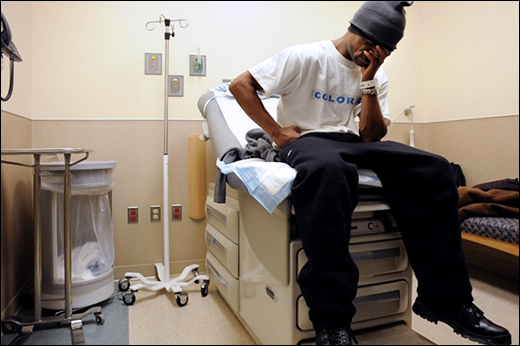
Two U.S. appeals courts issued conflicting rulings on a subject that's important to millions of people: the availability of subsidies to help purchase coverage under the health-care law. KHN's Mary Agnes Carey answers some frequently asked questions about those court decisions and how they impact consumers.
Read more: Brief Consumer Guide To Health Law Court Decisions
Meet the Leaders of BTAN: Your Local Contacts

The Black Treatment Advocates Network (BTAN) is a unique collaboration that links Black Americans living with HIV to the care and treatment they need to reach viral suppression. The network works to end the epidemic in Black communities by strengthening leaders locally and nationally, connecting them with their peers, raising science and treatment literacy, and training advocates to help change local and national policy and research priorities. To reach the BTAN leader in your area, reach out to the people below.