HIV Diagnoses Have Decreased In The African American Community; Prevention And Care Necessary To Continue The Decline
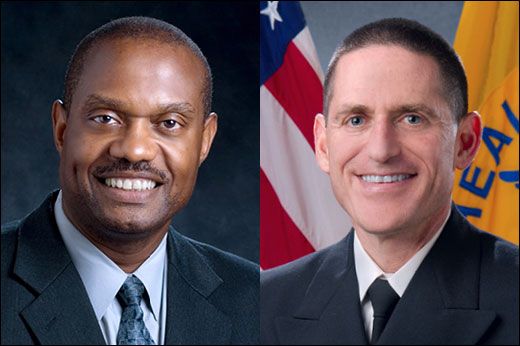
Eugene McCray, M.D., Director, Division of HIV/AIDS Prevention, National Center for HIV/AIDS, Viral Hepatitis, STD, and TB Prevention, CDC; and Jonathan Mermin, M.D., MPH, Director, National Center for HIV/AIDS, Viral Hepatitis, STD, and TB Prevention, Centers for Disease Control and Prevention.
National Black HIV/AIDS Awareness Day (NBHAAD), held every year on February 7, has for 17 years been a time to encourage HIV prevention, testing, and access to care and treatment in the African American community. This year, it is a testament to public health and a strong community that the numbers of HIV and AIDS diagnoses among African Americans have decreased along with other racial and ethnic groups over the past decades. While African Americans are still the racial/ethnic group most affected by HIV, the gains made by this community have been great, and they include a 14% drop in HIV diagnoses from 2010 to 2014 that were fueled by a steep decline among African American women and a leveling off of diagnoses among African American gay and bisexual men. Research has shown that African Americans do not engage in behaviors that could transmit HIV more than other groups, so the impact of HIV likely affected the African American community because of other factors, such as lack of access to health care, poverty, high rates of male incarceration, stigma, and homophobia.
House Tax Bill Would Scrap Deduction For Medical Expenses

House tax plan proposes to eliminate medical expense deduction
The tax bill unveiled by Republicans in the House would not, as had been rumored, eliminate the tax penalty for failure to have health insurance. But it would eliminate a decades-old deduction for people with very high medical costs.
Read more: House Tax Bill Would Scrap Deduction For Medical Expenses
Houston Organizations Collaborate to Learn About PrEP
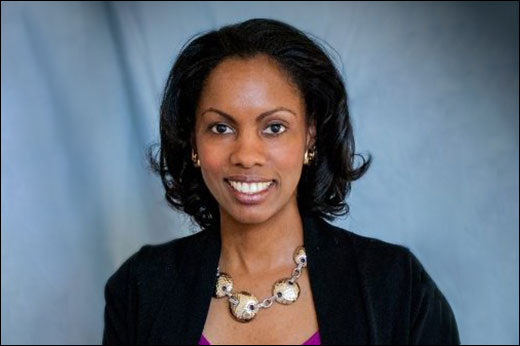
Charlene A. Flash, M.D., Assistant Professor, Baylor College of Medicine and a physician who treats patients at Thomas Street Health Center
Like the rest of Black America, Houston has a PrEP problem.
The introduction of pre-exposure prophylaxis, or PrEP, as a method of preventing HIV has ushered in a new era of hope that the end of the HIV/AIDS epidemic is near.
Read more: Houston Organizations Collaborate to Learn About PrEP
How Gainesville and Orlando, Fla., Get the Word Out About PrEP
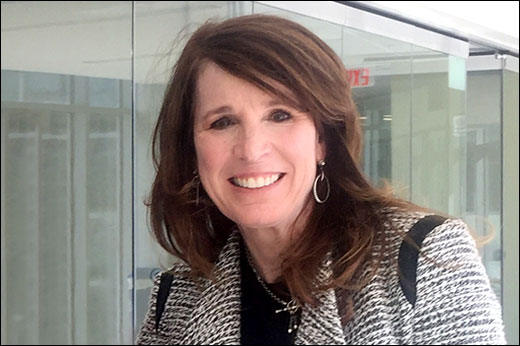
Gay Koehler-Sides, M.P.H., C.P.H, Program Manager, Human Services, Florida Department of Health, Alachua County
For all of the promise that pre-exposure prophylaxis (PrEP) holds, there are significant barriers that can keep it from decreasing the risk of HIV. In the Florida cities of Gainesville and Orlando, the local health departments are using a number of innovative ways to take down those barriers and expand access to PrEP in Black communities.
Read more: How Gainesville and Orlando, Fla., Get the Word Out About PrEP
How the CHIP Stalemate Hurts Black Children

The U.S. Senate, under Mitch McConnell leadership, hasn't seen fit to fund the Children's Health Insurance Program – among other things.
A program that provides a safety net for more than 8 million children, and more than half of all Black children, has become the latest casualty in the war to repeal and replace the Affordable Care Act (ACT).