George E. Curry
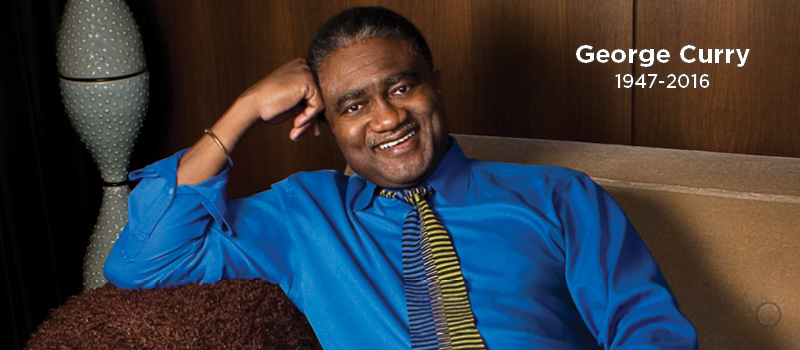
George E. Curry, a 2008 Heroes in the Struggle Awardee
"No one should overlook the devastating toll this deadly disease has taken on the African American community."
Mixed Feelings About Same Sex Marriages
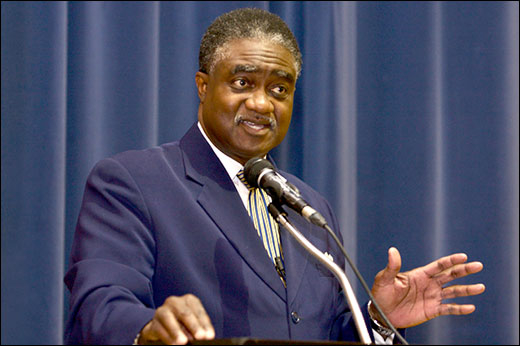
George E. Curry
Editor's Note: This story, which George Curry wrote in 2003, triggered the ire of the LGBT community, precipitated his friendship with Phill Wilson, and became the inflection point marking the beginning of his advocacy to end the HIV/AIDS epidemic. We run it in his honor.
As regular readers of this column know, I usually have pretty clear views on most social policy issues. But I confess that I have mixed feelings about same-sex marriages. Not only am I in a quandary, I've been in one for weeks as I've tried to look at this issue from both sides. And when I do that, I end up right back where I suspect a lot of people are - torn between feeling that homosexuals should not be discriminated against because of their sexual orientation and believing that same-sex marriages should not be sanctioned by the government or the church.
In This Issue
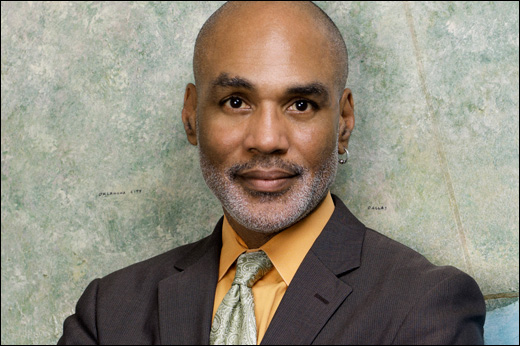
The uptake of pre-exposure prophylaxis (PrEP) among African American women is much lower than it needs to be. In this issue we run a piece by Barbara Lee Jackson, the Director of Program Design and Implementation for the Black Women's Health Imperative in Washington, informing women about PrEP and introducing the Imperative's Let's Talk About PrEP campaign.
The Role of PrEP in HIV Prevention for Black Women: Power in Service
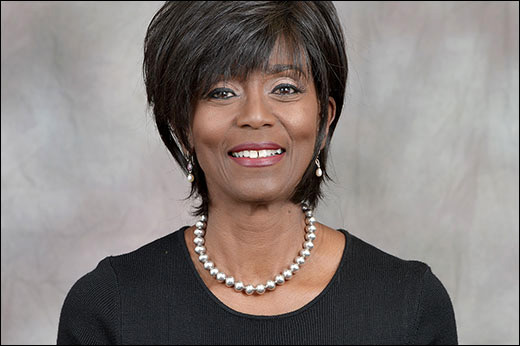
Barbara Lee Jackson, M.P.H., Director, Program Design and Implementation, Black Women's Health Imperative
"When I dare to be powerful, to use my strength in the service of my vision, then it becomes less and less important whether I am afraid." ― Audre Lorde"
Read more: The Role of PrEP in HIV Prevention for Black Women: Power in Service
Putting HIV Science into Practice: What Public Health Educators Must Do
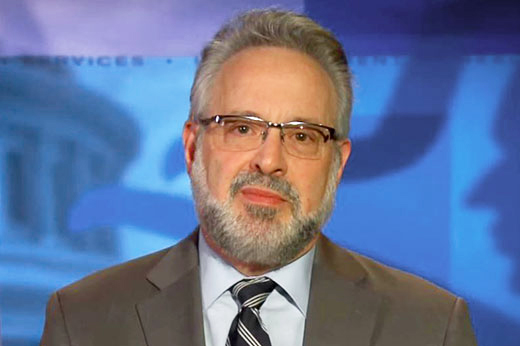
Ronald Valdiserri, M.D., M.P.H., Deputy Assistant Secretary for Health, Infectious Diseases, and Director, Office of HIV/AIDS and Infectious Disease Policy, U.S. Department of Health and Human Services
Since the very first international AIDS meeting took place in Atlanta in 1985, these gatherings have provided an important venue for exploring the science surrounding the global AIDS epidemic. What do we know about the virus? What steps can we take to prevent its spread and reach those who are most vulnerable to infection? How can we better care for persons who are living with HIV? Throughout its thirty one year history, the international AIDS meeting has convened experts from around the globe to share information about their successes, their challenges and sometimes, their failures. Demographers, epidemiologists, basic scientists, virologists, immunologists, sociologists, ethnographers, psychologists, political scientists—the list of disciplines represented is stunning in its breadth. And at every one of these meetings, the science that's presented has been put into a broader, real-world context by the large contingents of people living with HIV, their providers and other community advocates who participate in these exchanges with enthusiasm and insight.
Read more: Putting HIV Science into Practice: What Public Health Educators Must Do