In This Issue
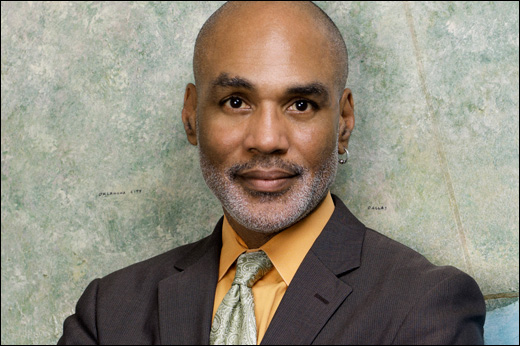
In the words of the great griot Carol Burnett, I'm so glad we had this time together. After the awe of the grandchildren of Nelson Mandela, Sir Elton John, Prince Harry and the grandchildren of dame Elizabeth Taylor, here were are at the end of yet another International AIDS Conference. And as happens at the end of each of these, we're obligated to ask ourselves the question, "Was it worth it?" These confabs are obscenely expensive propositions in terms of dollars spent and opportunities. In the end the question is really not what we did here or said here; the question is how we used the experience of this week to move us forward towards the goal of ending the AIDS epidemic in our various communities. How do we make sure that the lives of women and girls matter? How do we guarantee that the lives of men who have sex with men, sex workers, trans people and injection drug users matter. How do we manifest the consequences of Black lives mattering? That is out work as we wind down the 21st International AIDS Conference.
This week we have talked a lot about PrEP, but mostly about PrEP among White gay men. We have not talked enough about PrEP among women and we've not seen a strong enough development of strategies to deliver PrEP in resource-poor settings. We've acknowledged and celebrated our accomplishments thus far and we've come to understand that there is still so much work to do and in so many ways the final work is so much more difficult than the early work of the epidemic. So we have to ask ourselves: Are we up to the task?
No, it's not a question of whether we're up to the task; we don't have a choice: We need to figure out how to be up to the task. The end game is about really education, empowerment, particularly self empowerment, and action. Everything about the AIDS epidemic over the last 35 years has been driven by community. No outside force is going to end the epidemic. It is work that we have to do. We have to make sure that our governments respond in appropriate ways. They're not going to do it without us. We have to make sure our communities have the info that they need. We have to make sure that the tools that are available are accessible. And we have to make sure that the least of us, who needs those tools, actually utilize them. With all the conversation about PrEP and about the power of the pill, it's important to understand that the point is not the pill, the pill is simply the mechanism by which we express our power to protect ourselves and the knowledge that our lives are worth protecting.
So the message of this conference at the end of this week in some ways is an amplification of the sentiments leading into this week. We still have an AIDS epidemic; many of us are tired and weary; but we can't rest now. And, in fact, what we do now will determine whether or not we end this thing—not just for some of us, but for all of us.
For those of us who are involved in the Black AIDS Institute and the Black Treatment Advocate Network, the conference is not ending today. We are bringing the conference to a city near you. Starting on August 5th with Los Angeles, we will be doing post-AIDS 2016 updates in 12 cities around the country. We're going to be hosting monthly webinars with additional information from AIDS 2016 from now until the end of the year. And we're going to continue to run stories about the science that was released at this meeting in our Black AIDS Weekly. To register for the AIDS update in a city near you, go to BlackAIDS.org or continue to check in right here in the Black AIDS Weekly over the coming weeks.
If you want more information, email us at
Yours in the struggle,
Phill