In This Issue
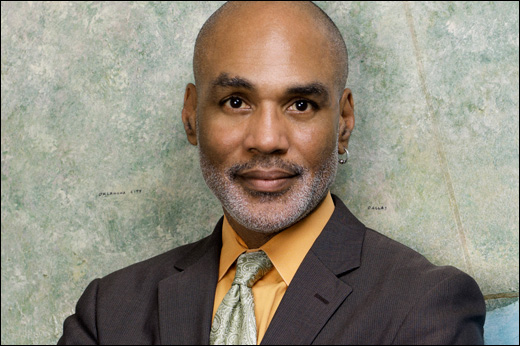
The largest HIV/AIDS conference in the United States, the USCA, was held last week in Hollywood, Florida. On Friday, I participated in a plenary titled "Convergence".
When you look up the word "convergence" in the dictionary—okay, when you google convergence—you find various definitions along the following theme: "Convergence occurs when things come together to spark something altogether new". There are so many things converging in the HIV space today: race, gender, sexual orientation, gender identity, age, consolidation in the pharmaceutical industry, changing funding dynamics, changing demographics, changing geography, emerging populations. All of these convergences can be seen as challenges, or opportunities, or both. It all depends on where you stand in the struggle.
We also have all these new tools converging to create a new promise of ending the AIDS epidemic.
- Diagnostic tools: Never before has it been as easy, cheap, fast or important to know your HIV status.
- Surveillance tools let us see the epidemic in ways we couldn't before—down to the census tract or ZIP code.
- The ACA and NHAS provide us with expanded access—or at least the promise of expanded access—to prevention, treatment and other services.
- Early treatment allows a newly diagnosed person to live a nearly normal life expectancy.
- Combination prevention: The synergies of behavioral, biomedical and structural approaches have changed the way we see, think about, and experience HIV/AIDS.
It all makes me think back to this year's International AIDS Conference in South Africa. I was also at the first AIDS conference held in Africa, in 2000. The debate then was "Treatment vs. Prevention". But that was not the debate this year. We now know that treatment and prevention are inextricably connected. They have converged. We not only can, but we must, do both.
Most of us are engaged in developing or delivering services that combine primary care and HIV treatment with all modalities of HIV prevention to optimize whole health for both HIV-positive and HIV-negative people, and to reduce the burden of HIV in our communities.
Yet with all these advances and convergences, three things are not lost on me:
1. We have not ended the AIDS epidemic yet.
2. We still have intractable foes in stigma, racism, homophobia, transphobia, gender inequity and poverty.
3. If we do not converge awareness, understanding, access, and utilization of these technologies with the technologies themselves, the most vulnerable among us just might be left behind. And we will likely increase the already awful HIV/AIDS health disparities that are driven by who you are, who you love, and where live.
Our progress depends on how we deal with convergence.
There were three speakers at the plenary who shared their take on of these converging issues. Dr. Rick Elion, from Washington, D.C., spoke about the convergence of prevention and treatment.
Ken Like Barbie, originally from Chicago, talked about the convergence of stigma and fear and his journey to overcome them. Finally, Melissa Harris-Perry shared her thoughts about why we need to converge social justice, health and inclusion with our strategies and tactics to end HIV, challenged us to think bold and reminded us that the struggle continues.
YouTube artist and American Idol finalist Todrick Hall also performed two pieces from his visual album "Straight Outta Oz".
It's clear we have made tremendous progress in the fight against HIV/AIDS. Treatment and revention have converged. But biomedical interventions alone are not going to end the AIDS epidemic. We can't take a few pills, click our heels together and find our home. We're going to have to converge the biomedical with the behavioral, throw in some protest and disruption, and add a touch of knowledge and perseverance.
I have been in this fight for nearly 40 years now. If there is one thing I am sure of, it is the power of the convergence of the wisdom, the heart and the courage of this community to forge the path that will finally bring us home. We definitely need to pay attention to the man behind the curtain. But I know we all have a pair of ruby red slippers somewhere.
Yours in the struggle,
Phill