Activists and Experts Convene to Attack HIV Criminalization
HIV Is Not a Crime
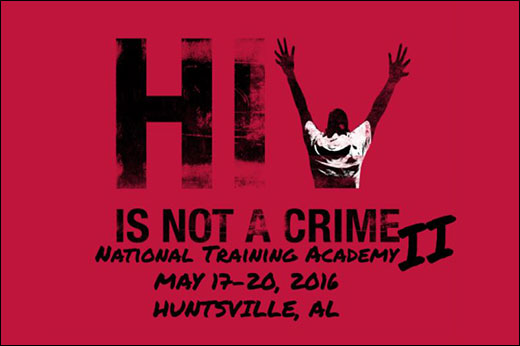
HIV advocates, state legislators, PLWHA and their allies convened at the University of Alabama in Huntsville in May for the HIV Is Not a Crime II National Training Academy, a conference aimed at providing attendees with tools to decriminalize HIV/AIDS.
Organized by the Positive Women's Network USA (PWN-USA) and the Sero Project, the conference was attended by more than 300 people from 34 states and four countries. Participants heard from PLWHA who have been prosecuted under laws that criminalize HIV, as well as legal experts, advocates and politicians. Criminalization-reform efforts, policing, changing state laws and looking at how gender, race and sexuality intersect to impact HIV criminalization were among the issues discussed.
Democratic presidential nominee Hillary Clinton opened the conference with a prerecorded video message stating that, if elected, she would work to reform outdated and stigmatizing laws that criminalize HIV and call on states to do likewise. Such laws often make people fear getting tested and/or revealing their HIV status. However, every state has different legislative policies, making HIV criminalization difficult to tackle.
In the breakout session focusing on what's working in the states, attorney Venita Ray said, "In Texas we don't have an HIV-specific law, but we do have people being prosecuted under general criminal law for HIV-related crimes—a state that has imprisoned people for spitting, biting or other actions with zero risk of transmission." She referenced a 2015 law introduced to make confidential medical records subject to subpoena. "When you look deeper into the legislative history, you see the records they are referring to are HIV records. We fought against that and were able to get it defeated."
Monique Howell-Moree shared her story of being charged by the U.S. Army with nondisclosure of her HIV-positive status after having sex with a fellow soldier whom she told to wear a condom and who did not acquire the virus. She believes that in order to end the discrimination, stigma and unjust legal actions that PLWHA face, local leaders, policymakers and the community must be educated about HIV/AIDS so that they have up-to-date information. "This is no longer a death sentence, and we need to stop focusing on such," she says.
Says Ray, "Criminalization of a health status is wrong; period. There's nothing else to talk about."
Conference organizers also discussed mass incarceration and how to build alliances with Black Lives Matter, examining the disproportionate effect of HIV criminalization on marginalized communities, including those populated by people of color, transgender people, substance abusers and the mentally ill.
The session "Anti-Blackness & HIV Criminalization: Grounding Ourselves in Racial Justice" provided participants with "a great opportunity to talk about Michael Johnson's case and how anti-Black racism in addition to homophobia were very much a part of his trial and ultimate conviction," says lawyer Tyrone Hanley, policy counsel at the National Center for Lesbian Rights.
The conference raised uncomfortable issues around racial injustice and policing in Black communities. Said Waheedah Shabazz-El, regional organizing director for PWN-USA: "When you talk about race, it's always a difficult subject for everyone in the room. But we all came away feeling we have to find ways to talk about it, as opposed to getting emotional about it. We have to get to a point where we can agree that we're all not going to agree. Being able to have these hard conversations speaks to the diversity of our perspective; it's what gives our movement the strength that it has. Because HIV doesn't look at class or race or what university or degree you have. So at the end of the day, an epidemic like HIV cannot happen unless there's violations of human rights."
April Eugene is a Philadelphia-based writer.