When You Know Better, You Do Better

For the last three years or more, I have been saying, "We have the tools to end the AIDS epidemic in America". Now I'm not so sure.
Tonight at midnight The Black AIDS Institute will release a new report, "When We Know Better, We Do Better: The State of HIV/AIDS Science and Treatment Literacy in the HIV/AIDS Workforce," containing the results from the U.S. HIV Workforce Knowledge, Attitudes, and Beliefs (KAB) study, the largest study ever conducted of non-medical personnel working in HIV/AIDS in the United States.
HIV Workforce Lacks Science & Treatment Knowledge to End HIV/AIDS Epidemic

Doing better
This Friday, the Black AIDS Institute will publish a report contextualizing the results of a study showing that not only do many non-medical members of the HIV/AIDS workforce lack knowledge of basic HIV science and terminology, they do not understand the science of HIV treatment or the recent biomedical interventions needed to end the AIDS epidemic.
Read more: HIV Workforce Lacks Science & Treatment Knowledge to End HIV/AIDS Epidemic
I Have My Protection—And It's Not a Condom

Blake Rowley
Like most other Black men, I have had extremely inconsistent engagement with healthcare. If I'm not sick, why go? Until recently, the only time I really cared to access any type of care was when I was getting tested for HIV and other STIs.
Why an Educated, Informed HIV/AIDS Workforce Is Essential for Ending The AIDS Epidemic
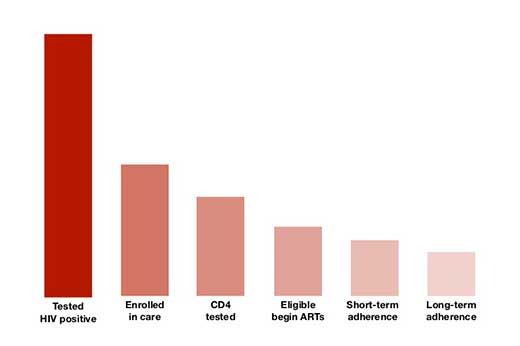
Treatment cascade
While the paradigm shift from behavioral to biomedical prevention might seem at first to diminish the role of community-based HIV/AIDS workers, "The HIV workforce is as important as ever," says Danielle Houston, senior program advisor of the National Minority AIDS Council's Treatment Education, Adherence and Mobilization Team.
Read more: Why an Educated, Informed HIV/AIDS Workforce Is Essential for Ending The AIDS Epidemic
Why HIV Science and Treatment Literacy Matters
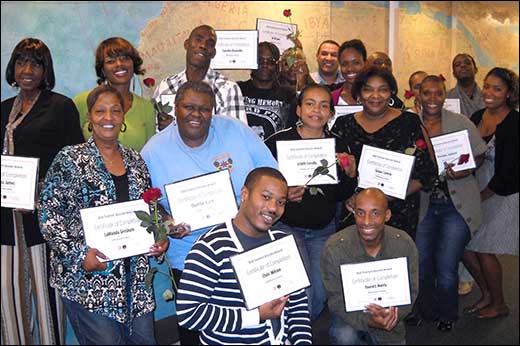
BTAN cohort shows off certificates of completion following rigorous training in HIV science and treatment literacy.
Throughout most of the HIV epidemic, the condom was the primary technology for preventing sexual transmission. For decades, HIV prevention efforts focused on changing people's behavior. They sought to help people recognize their HIV risk and to take steps to avoid acquiring the virus—either by delaying sexual intercourse or by using a condom during intercourse.