Darriane Martin: Closing the Gap of Misinformation
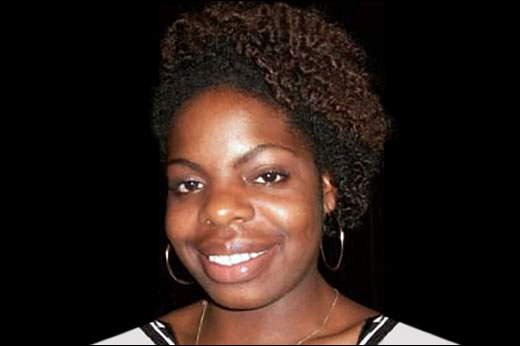
Darriane Martin
Darriane Martin will never forget the frank talks she used to have with her parents about the birds, bees and STDs. In fact, she attributes her desire as a teenager to dive headfirst into sexual-health work to the no-holds-barred conversations.
Read more: Darriane Martin: Closing the Gap of Misinformation
In This Issue
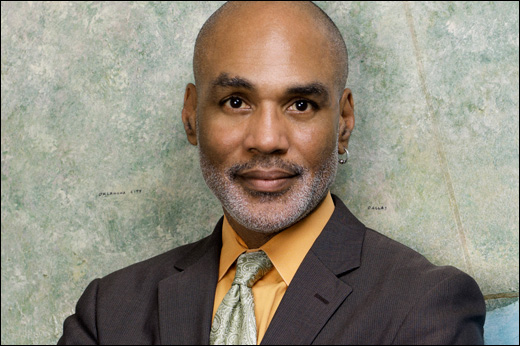
The world lost a hero on Sunday, with the passing of civil rights icon Julian Bond.
Julian Bond was a huge hero in the fight against HIV and AIDS. He was always there. I never had to explain why it was important for him to show up on any of the many occasions I asked for his help. He made sure that HIV/AIDS was front and center on the NAACP's agenda. I will miss him greatly. In this issue we remember Julian Bond's leadership in the fight to end HIV/AIDS.
Gerald Garth, Black AIDS Institute Programs Specialist: 'A Mouthpiece for Our Communities'
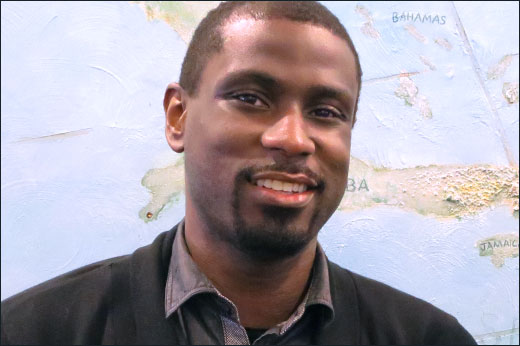
Garth Gerald, Programs Coordinator, Black AIDS Institute, and an African American HIV University Science and Treatment College graduate
If there is one thing Gerald Garth wants you to walk away with, it is that you can use whatever gifts and talents you were born with to fight HIV.
What They're Saying: Release of the Updated National HIV/AIDS Strategy
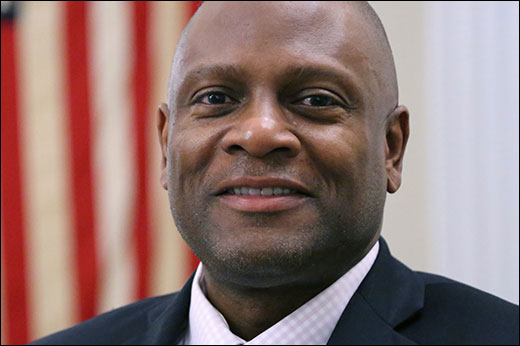
Douglas M. Brooks, MSW, Director of the Office of National AIDS Policy
On July 30, the President released the National HIV/AIDS Strategy: Updated to 2020, which will guide our efforts—at the national, state, and community levels—through the end of the decade. The updated Strategy retains the original Strategy's Vision and four overarching Goals, but updates its Steps, Actions, and Indicators to incorporate the incredible progress we've made over the last five years, and highlights key areas of critical focus over the next five years, notably:
Read more: What They're Saying: Release of the Updated National HIV/AIDS Strategy
HIV Cells Keep Duplicating Even When Treatments Are Working: Study

Electron micrograph of HIV cells
HIV can continue to multiply in patients who are responding well to antiretroviral therapy, U.K. researchers say.
Treatment advances over the last 30 years mean that HIV -- the virus that causes AIDS -- is suppressed to almost undetectable levels in many patients, and they can live a long and healthy life. It was believed that after many years of successful therapy, a patient's body would naturally rid itself of HIV.