IPERGAY Study Examines Effectiveness of Nondaily PrEP
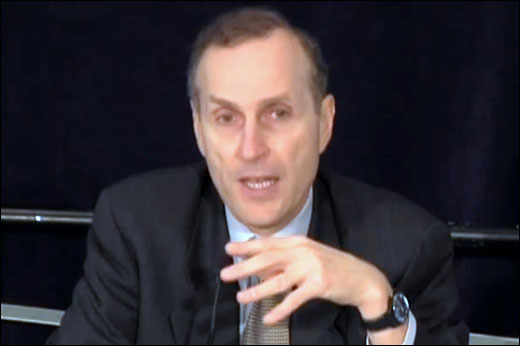
Jean-Michel Molina, M.D., Ph.D.
The first in a series of articles about the PrEP findings presented at the 2015 Conference on Retroviruses and Opportunistic Infections.
Pre-exposure prophylaxis (PrEP) has been heralded as one of the tools that can lead to an AIDS-free generation. While a daily dose of the pill Truvada has been deemed necessary to prevent HIV infection, new research suggests that different regimens can also be effective.
During the Conference on Retroviruses and Opportunistic Infections 2015 (CROI 2015), which took place in Seattle in February, the French national HIV research agency ANRS announced the results of the IPERGAY trial, which looked at a less-frequent regimen for PrEP among MSM. Approximately 400 participants took part in the IPERGAY study between February 2012 and October 2014. Instead of taking a daily dosage of PrEP, participants took the medication before and after having sex.
First they took two pills between two and 24 hours prior to sex. Next they took one pill 24 hours after sex, and a fourth pill 24 hours after that. If the sex was a one-time occurrence, the participant would stop PrEP at that point. If the participant continued to have sex, he would continue taking PrEP daily until 48 hours after the last sexual encounter.
Although earlier studies have shown that when PrEP is taken daily, it can reduce the risk of HIV infection by up to 92 percent, researchers in the IPERGAY study found that this particular regimen reduced the risk of HIV by an average of 86 percent.
A Question of Adherence
In order for PrEP to work, it must be taken as prescribed. For some, that is not as easy as it sounds.
Getting people to take PrEP on a daily basis has proved challenging, says Jonathan Mermin, M.D., MPH, director of the National Center for HIV/AIDS, Viral Hepatitis, STD, and TB Prevention.
Someone might find himself in a physical location away from his medication or may simply forget to take his daily dose. The IPERGAY study suggests that those who have a hard time taking a daily medication for whatever reason can still benefit from PrEP.
"On-demand PrEP is an attractive alternative to daily PrEP in high-risk MSM who do not use their condoms consistently," says study lead investigator Jean-Michel Molina, M.D., Ph.D., professor of infectious diseases at Paris Diderot University. "On-demand PrEP can be a game changer."
Lessons to Be Learned
The IPERGAY study yielded promising results, but questions remain about taking PrEP on a nondaily basis. Because the men who participated in the study took PrEP on average three or four days per week, it is not known whether men who have sex—and take PrEP—less frequently would fare as well. For example, the buildup of PrEP over a period of time could, in fact, be a contributing factor to its effectiveness, the Centers for Disease Control and Prevention (CDC) points out.
The study also didn't look at whether this regimen would be as effective for heterosexual men and women or injection drug users. Finally, there are questions about how practical a nondaily regimen is for some. In order to follow this regimen, you would have to know in advance when you will have sex; you would have to carry the medication with you; and you would have to remember to take the pills before and after the event. Some may find a daily dosage of PrEP to be an easier habit to adopt.
Because of these remaining questions, the CDC still recommends taking a daily dose of PrEP in order to get the maximum benefit of the biomedical treatment. However, the study shows that there is more than one approach to HIV prevention and much remains to be learned about how tools like PrEP can eventually eradicate HIV.
"The IPERGAY trial provides the first evidence that an event-driven regimen is effective among high-risk MSM with frequent sex," Dr. Mermin says.
Tamara E. Holmes is a Washington, D.C.-based journalist who writes about health, wealth and personal growth.