In This Issue
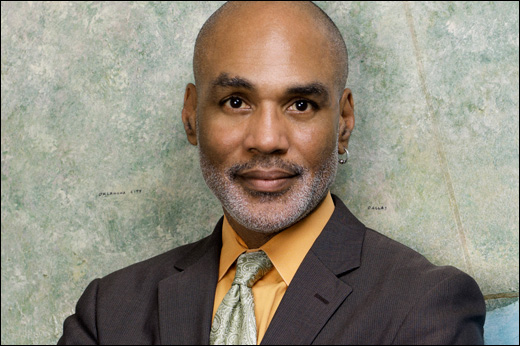
There is an old con game where you distract the "mark" with a shiny object while robbing him blind. Black people need to be careful about the current conversation about race. It's the shiny object meant to distract and we must resist less we get bamboozled.
After the Charleston South Carolina murders, politicians and media talking heads developed a new interest in whether the Confederate battle flag should be removed from government buildings and monuments. One part of the conversation included a debate about whether the Confederate flag is a symbol of heritage or a symbol of hate. This is a distraction. The Confederate flag is both: It a symbol of the heritage of hate.
Think about it: The flag was created as a symbol of the Confederate South to defend slavery. It was resurrected during the Jim Crow era and gained popularity during the Civil Rights movement, when it was used to intimidate and subjugate Black people. The KKK would burn crosses and fly the Confederate flag in front of the Black churches and homes of Black leaders they had just burned to the ground in order to send a message. The message was not: "Let's celebrate Southern hospitality." The message was: "We will kill you and no one can stop us!"
At one point during Meet the Press on Sunday, South Carolina Senator Lindsey Graham said, "The flag should come down because we have no choice". Another guest said that it should be removed out of respect for those who had been murdered at Mother Emanuel. None of these former flag supporters suggested that the flag should be removed because it was the right thing to do. And no one is making any recommendations on how to address the huge wealth, education, employment or health disparities that Black Americans experience.
Let's not get it twisted. Yes, the Confederate battle flag should come down. But, that's the shiny object. It is meant to distract us from noticing that no conversation is going on about improving Black people's lives. Removing the Confederate battle flag will not end the debilitating poverty in Black communities or reduce the opportunity gap between Black children and other racial ethnic groups. Nor will it increase the number of young Black men on college rolls, decrease the number of them who are jail or prison, or change the trajectory of the HIV/AIDS epidemic in our communities.
The Confederate flag should come down. But if anybody of any race thinks that the problems in the Black community are going to change based upon either Lindsey Graham's action or inaction about Confederate flags coming down or even Amazon or Walmart's decisions to stop selling them, they've got another thing coming. None of those acts will improve the lives of a single Black person.
In this issue we cover the Heroes in the Struggle Gala, where The Black AIDS Institute and a bevy of Hollywood heavyweights honored the work of Gregorio Millett, Vanessa Mills, Jussie Smollett and Janssen Therapeutics.
Last Saturday was National HIV Testing Day, and the Black AIDS Institute and the Black Treatment Advocates Network (BTAN) teamed up with Walgreens and Greater Than AIDS to help African Americans take advantage of the free testing offered at select Walgreens nationwide.
Research shows that nearly one-fifth of teens and younger adults in the United States have been tested recently for HIV, and one in every 10 men suffers from anxiety or depression. The research shows that Black females were most likely to have been HIV tested; however, Black males were less likely than others to get the mental health help they need. Our friends at the National Library of Medicine report.
Finally, some people have criticized the #BlackLivesMatter movement for being leaderless. Professor Barbara Ransby refutes that notion, saying that rather than being leaderless the movement is leader-full.
Yours in the struggle,
Phill