Clinical Trial Leads to a Cure: David Njabulo Whiters Beats Hep C
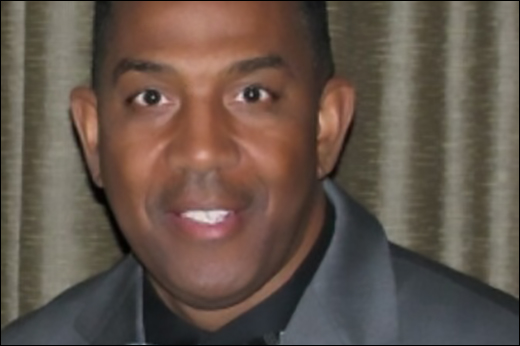
David Njabulo Whiters
While David Njabulo Whiters was working on his master's degree in social work in 1998, severe fatigue sent him to a doctor. Several tests later, he received a diagnosis of the hepatitis C virus (HCV).
"I really thought I was going to die," he says. As a former drug user—who today has his doctorate in social work—Whiters knew that sharing needles and other equipment to inject drugs had put him at risk for HCV. He also knew of other substance abusers who had died from the disease.
Shocked by such a frightening diagnosis, Whiters went into a deep depression. He was afraid to share the news with others for fear of what they might think, so he grappled with it alone. "It was probably several years before I ever told anybody about it," he recalls.
Whiters sought advice from health-care professionals, talked to other people living with HCV about their experiences and investigated treatment options for the disease. He also sought help from mental-health professionals, which helped tremendously. Eventually Whiters began to open up with people about the disease, and "the more I was able to talk about it, the freer I felt."
A Search for a Cure
His research into the disease convinced him that interferon injections—the primary method for treating hepatitis C at the time—were not for him because many people experienced painful side effects. "I was not going to subject myself to the painful and negative experience that many seemed to be having with this treatment option," he says.
Instead he changed his diet to include more fruits and vegetables and looked to his spirituality for strength. Because he continued to suffer fatigue and joint pain, "at 6 p.m. almost every evening, I would have to prepare for bed because I would have little to no energy," he says.
Finally he received a call from a specialist telling him about a clinical trial conducted by pharmaceutical company Gilead Sciences that he might be eligible for. "The clinical trial I was in was only for people living with HCV who had no prior treatment episodes. Had I tried the interferon or any treatment prior to this, I would not have been eligible for this trial," he says.
During the trial, which took place last year, he tried Gilead's new medication Sovaldi, and the results were amazing. "After only one week of treatment, my viral load—the amount of hepatitis in my blood—went from more than 6 million to less than 100," he says. Several weeks later, his primary care physician informed him that he was cured of his hepatitis C.
After the Cure
Today the 56-year-old Whiters, who is the former executive director of Recovery Consultants of Atlanta, Inc., is on a mission to educate people about drug recovery, as well as the importance of getting tested for hepatitis C. He says, "It is better to be tested, learn your status and seek treatment than not be tested, and learn later in life that you have this disease and it has progressed to cirrhosis or cancer of the liver."
For anyone diagnosed today, he points out that they should feel encouraged that there is now a cure for this disease. "It is no longer the death sentence that so many before us had to experience," says Whiters, who travels throughout the U.S. and to Africa teaching people in recovery how to coach one another.
Currently the medication Sovaldi is on the market for $84,000 for a 12-week regimen, a price tag that has sparked outrage. Although some insurance companies cover the cost, other insurers have limited who can immediately get access to the drug. "I would encourage all impacted by this disease to become advocates for those who cannot afford the $84,000 treatment and protest against pharmaceutical companies who charge these high rates for treatment," Whiters says.
The way Whiters sees it, the best way to fight hepatitis C is to arm yourself with information. "I would advise all impacted by this disease to consider becoming spokespersons and advocates for practices that reduce the risk of becoming infected with HCV—substance-abuse prevention programs and better health-care practices."
Tamara E. Holmes is a Washington, D.C.-based journalist who writes about health, wealth and personal growth.