'Brown Bag' Events Dispel Misinformation About the Affordable Care Act
As the clock ran down on open enrollment for health insurance under the Affordable Care Act (ACA), The Black AIDS Institute continued its 2014 Brown Bag Lunch series in March by dispelling false information and giving people the information they needed to get signed up before the March 31 deadline.
On March 5 The Black AIDS Institute hosted a webinar called "Patient Protection and Affordable Care Act: Updates and Implications" for the leaders of its Brown Bag Lunches, a train-the-trainer series that brings biomedical information, HIV-related policy and HIV research to communities across the country.
Fifteen community leaders attended the webinar, which was led by F. Joseph Jefferson, director of advocacy and alliance at HealthHIV; and Kellan Baker, associate director of the LGBT Research and Communications Project at the Center for American Progress.
It's no secret that there has been plenty of confusion surrounding the ACA since open enrollment began last fall. However, according to one particularly alarming statistic given during the webinar, at the time of the presentation, 80 percent of uninsured Black Americans were still unaware that there was a March enrollment deadline. The presentation also looked at how HIV disproportionately affects Black Americans, and yet Black Americans were 55 percent more likely than White Americans to be uninsured.
The Affordable Care Act and HIV
Several aspects of the ACA are particularly relevant to PLWHA, such as the guaranteed availability of coverage regardless of pre-existing conditions and the fact that insurers are unable to set higher premium rates based on a person's health status.
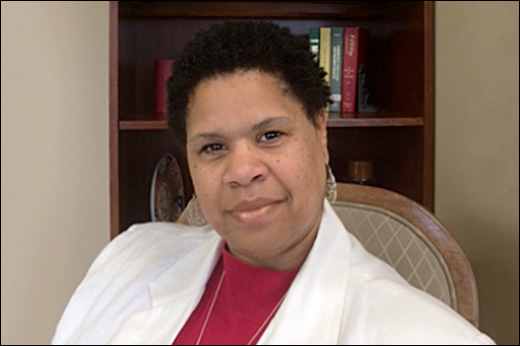
To get that information into her community, Linda Stringfellow, director of the AmeriCorps VISTA program at Delta State University and community co-chair with the Mississippi HIV Planning Group, took the information presented during the webinar and hosted a Brown Bag event during her monthly HIV community-planning group meeting. Attendees included members of community-based organizations and AIDS service organizations, as well as health department employees, college students and members of the general community.
Not only was there information about the ACA that some attendees did not know, but "many people had actually been given false information about the Affordable Care Act that was cleared up during the presentation," Stringfellow says.
One subject that sparked a lot of discussion—and frustration—was the fact that Mississippi did not take part in the Medicaid expansion. Under the ACA, states have the option to expand access to Medicaid to cover Americans who make up to 133 percent of the poverty level, which is approximately $31,000 for a family of four. Many Republican-led states, like Mississippi, failed to do so. According to the Mississippi Center for Justice, an additional 300,000 people in Mississippi would have been eligible for Medicaid had the state taken part in the Medicaid expansion.
Getting the Word Out
"The Brown Bag events are needed because they're a way to get the information into the communities," says Stringfellow. National organizations and government agencies can make a big difference, but they are often limited in their ability to send people into different pockets of the country.
Local leaders have deeper connections into communities as well as the network to pull off the events. Another reason the Brown Bags are successful is that people trust those who are providing the information. "They trust us because we've worked with them on other things," Stringfellow says.
Attendees of the Mississippi Brown Bag Lunch left armed with more information, but many acknowledged that the end of open enrollment for the ACA would only be the beginning of the health-care transformation that is taking place across the country, Stringfellow says. "We would like to have further events to look at what happens next."
Tamara E. Holmes is a Washington, D.C.-based journalist who writes about health, wealth and personal growth.