AIDS 2014 Newsmaker: Ifeanyi Orazulike
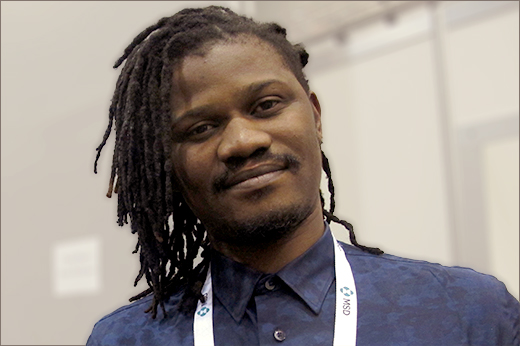
Ifeanyi Orazulike
Earlier this year, Nigeria passed a law mandating a 14-year prison sentence for anyone entering a same-sex union and a 10-year term for a person or group supporting gay clubs, societies, organizations, processions or meetings. Public displays of affection by gay men and lesbians are also illegal.
How have these repressive measures affected MSM in Nigeria? "We have evidence to show that the law is killing people."
These are the words of Ifeanyi Orazulike, who runs a clinic for MSM and trans women in Abuja, the capital of Nigeria. Orazulike, 33, traveled to Australia to talk about research that examines how the anti-gay laws are affecting access to health care for MSM.
"We used to have about 60 people a month; post-law it is down to about 10 to 15 people," said Orazulike, speaking at a standing-room-only press conference Wednesday that looked at stigma and discrimination affecting MSM and trans women.
"The research shows that around 73 percent stopped accessing health care services, for fear of being discriminated against and for fear of being arrested for who they are," he said. "For fear of going to prison, people preferred to stay at home on their sick bed."
In Nigeria, HIV prevalence is about 4 percent, but much higher among MSM—44 percent in Abuja and 27 percent in Lagos. MSM represent an estimated 3.5 percent of the Nigerian population but account for more than 40 percent of new HIV infections.
Needless to say, Nigerian officials deny the legislation is affecting MSM health. "The government keeps saying law does not affect service provision," said Orazulike. "But when you tell people that they are going to go to jail for 14 years for being who they are, how can it not make a difference?"
At one point at the press event, a Nigerian journalist demanded to know where Orazulike collected his data, because, "MSM are not that common in Nigeria."
Surprised, Orazulike responded, "It is quite incredible to hear for the first time in my life doing this work for the past 8 years that gay men are not common in Nigeria. I am a gay man; I am Nigerian."
He then pointed to a group of his friends sitting in the front row and added, "they don't live in Australia; they live in Nigeria. We are very visible."
Linda Villarosa runs the journalism program at City College in Harlem and writes frequently about health and social issues. This is the sixth International AIDS conference she has attended as a volunteer reporter. Follow her on Twitter @lindavillarosa.