Coming Out: Marvene Edwards
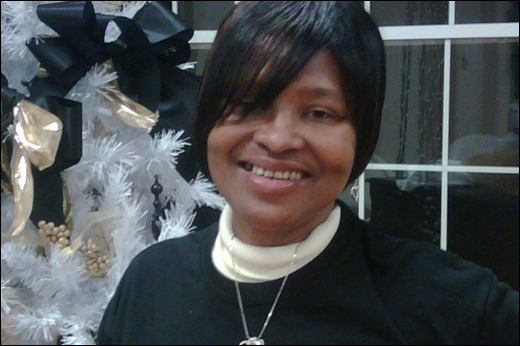
One in a series exploring the lives of people who have chosen to be out about their positive HIV status.
As Marvene Edwards was walking home from a bar, a group of men assaulted her. After discovering that she had no money to steal, one pulled a gun and shot her. The next morning a woman walking her dog found Edwards and called an ambulance.
How Harlem United Integrates Services in the Big Apple

The last in a three-part series about the need for AIDS service organizations that serve Black communities to adapt to the changing landscape.Harlem United was founded in 1988 as the HIV epidemic was exploding in the New York City neighborhood that many have long regarded as the capital of Black America. From its roots as a small paraprofessional organization, Harlem United has grown into a $40 million, 400-employee agency and has one of the most expansive, integrated service portfolios of any AIDS organization in the country.
Read more: How Harlem United Integrates Services in the Big Apple
Increased Risk of Neurological, Cognitive Deficits in Youth with HIV

NIH network finding underscores need for youth with HIV to obtain prompt treatmentMore than 65 percent of HIV-infected youth had mild to moderate impairments in fine-motor skills, memory, and other cognitive skills, although not enough to affect day-to-day functioning for most, according to a National Institutes of Health network study.
Read more: Increased Risk of Neurological, Cognitive Deficits in Youth with HIV
NIH Observes 20th Anniversary of Women's Interagency HIV Study

The largest and longest-running study to investigate the impact of HIV on women in the United States marks its 20th anniversary this month. Findings from the Women's Interagency HIV Study (WIHS) have helped define how best to treat HIV-infected women in the United States and globally.
Read more: NIH Observes 20th Anniversary of Women's Interagency HIV Study