The Engagement Challenge: Step Up and Lead
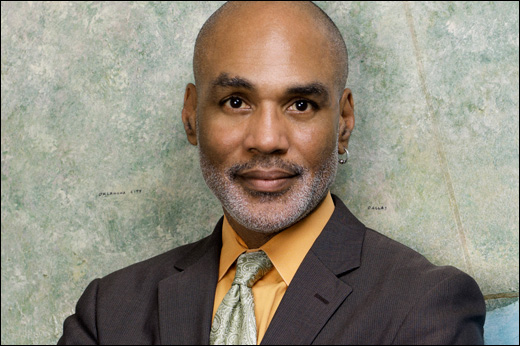
I read that Justice Ruth Bader Ginsburg officiated a gay wedding last week. With DOMA, Proposition 8, and same-sex partner benefits for members of the military, it seems that everyone has marriage on the brain these days. Now, we all know what comes before the marriage: the engagement! Yesterday, I hosted a lunch plenary at the United States Conference on AIDS (USCA) themed The Engagement Challenge: Stand Up and Lead. So what exactly is an engagement and what does it have to do with HIV/AIDS? Engagements are more than mere hook-ups, dates, or being "friends with benefits." An engagement represents taking a relationship to the next level.Quite frankly after 32 years, it is time to take our relationship with HIV/AIDS to the next level. But the key questions for the AIDS movement are: Are we up to the challenge and, if not, what do we need to do to prepare?
Advances in science and policy are making the dream of ending HIV and seeing an AIDS-free generation a real possibility. New data shows that life expectancy for PLWH in care and treatment is getting better all the time.
We have the tools to end the AIDS epidemic: better diagnostic tools, better surveillance tools, better treatment tools, better prevention tools and, with the roll out of the health exchanges under the Affordable Care Act, maybe better healthcare finance tools.
There's a new reality of HIV, but many people are still thinking and acting like its 1990. As a result, less than 25 percent of the estimated 1.2 million Americans living with HIV have achieved viral suppression. That is outrageous.
We need to engage people by bringing them up to speed on the new state of HIV/AIDS. Federal guidelines recommend that everyone between the ages of 15 and 65 get tested for HIV at least once. Testing is easier and faster than ever before. We have blood draws, finger sticks and oral swabs. Everyone can get a test at a doctor's office, a community test site or at home. HIV testing is mostly free and either is covered or will by covered by insurance.
Federal guidelines also recommend treatment for everyone as soon as they're diagnosed. HIV treatment today is a world away from what it was even a few years ago. We have more effective options, fewer pills, fewer doses, and fewer side effects than during the early days of the epidemic. Yet according to the treatment cascade, 42 percent of people who get linked to care don't get on ARVs -- 42 percent, are you kidding me?
All the advances in testing, treatment and prevention mean nothing if we can't get people into care and help them achieve viral suppression.
Treatment not only benefits the individual; it also lowers the amount of HIV in the body, which can reduce the likelihood of transmitting the virus to somebody else. We can also reduce the risk acquiring HIV infection by 96 percent in some populations with the use of Pre-Exposure Prophylaxis (PrEP).
The speakers at yesterday's luncheon at USCA laid out the challenges in engaging in efforts to end the AIDS epidemic: People have to get tested; those who are positive have to get into treatment and reach viral suppression; we have to combat stigma and create and environment where people can come out about their HIV status; and everyone, whether they are positive or negative, must do their part in preventing new infections.
Now the question is how do we get engaged in meeting those challenges?
There a major game-changer happening right now. Enrollment in the Affordable Care Act's new insurance marketplaces will open in 23 days. We need to make sure that people living with HIV/AIDS understand what the market places are, what their options are and how and where to get enrolled.
For the rest of the month we need to be using all of our communications platforms to talk about the insurance market places and we need to partner with the enrollment navigators in our communities to make sure people with HIV are not left out.
The Black AIDS Institute, the Black Treatment Advocates Network, and our other partners are staying engaged with these issues this week in New Orleans at the USCA. If you're attending there's still time to join us at workshops and seminars today and tomorrow. And don't forget to participate in the Roadmap Challenge to earn a chance to win a roundtrip ticket to the 2014 International AIDS Conference in Melbourne, Australia. You can pick up your entry form at the Greater Than AIDS booth in the exhibit hall.
In this issue of the Black AIDS Weekly, we continue our series about people living with HIV/AIDS who make the decision to be public about their HIV-positive status. We wrap up our series on the need for AIDS service organizations to retool themselves by examining Harlem United's success in New York. New research shows that young people with HIV have an increased risk of neurological and cognitive difficulties. And we tell you about the NIH's observance of the 20th anniversary of the Women's Interagency HIV Study.
Yours in the struggle,
Phill