Fighting Stigma and Ignorance: Milton Hadden
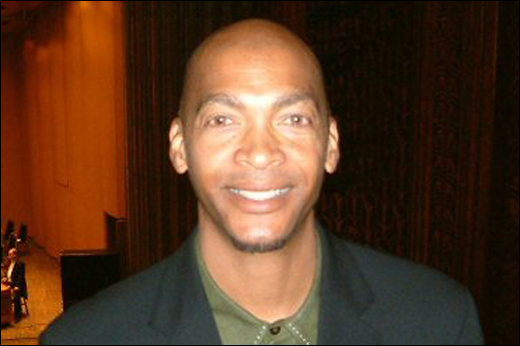
The first in a series of profiles of the 2013 Fellows in the Black AIDS Institute's African American HIV University's Science and Treatment College.I am 52 years old, and a true native of Oakland, Calif. I'm Oakland to the bone, and I'm sorry we have this devastation caused by the epidemic of the virus.
I recently finished my master of divinity training from Graduate Theological Union in Berkeley, and my ministry is coming to fruition through this AIDS epidemic. I'm starting my doctoral studies in psychology at John F. Kennedy University, outside Oakland. My planned dissertation will look at how the church can improve AIDS education by partnering with various segments of the community. Although I'm a member of Love Center Ministries, Allen Temple Baptist Church sponsored my fellowship. The late gospel artist Walter Hawkins founded Love Center Ministries, and our desire is to establish and build a health ministry that collaborates with local business, community organizations and other faith-based groups. Being a member of Love Center, yet being sent by Allen Temple, was like a blessing in disguise. Imagine having that kind of guidance in helping me develop myself in this work.
The HIV/AIDS rates are off the charts in Oakland. The Alameda County State Emergency Task Force was formed in 1997, one year before a declared state of emergency in the African American community, because of the disproportionate rise in the HIV infection rate. That declaration is still in effect 16 years later. That's ridiculous! Ignorance is killing us. We're going to change that. We are also dealing with high unemployment and poor public education--not to mention the other comorbidities: high blood pressure, diabetes, etc.
Some of the biggest obstacles we face are stigma, fear and, unfortunately, the words of the religious leaders who say that AIDS is a curse from God. I refer to it as religious ignorance. That is just so far from the truth. Once we get rid of that ignorance from spiritual leaders and others in our community, people will come out to seek help.
I can remember first hearing about the virus in 1988, when the singer Sylvester, a member of our church, died. In 1992 my brother died, and my best friend died in 1995, both from AIDS-related complications. Until that time I used to say, "Boy, I'm glad I don't have to worry about that; it's a White man's disease." I wasn't sleeping with White men, so I thought I didn't have to worry. Then I kept running into Black men who had this cough. I then started noticing that people were missing, just gone. Later I realized that they were dead.
I was one of 19 Fellows in the AAHU Science and Treatment College, and I felt I was sitting in the room with that "Talented Tenth" spoken about by W.E.B. Du Bois. The training gave us the thought that once people learned the science and the treatment of HIV, they would be more prepared and able to get treatment and stay on treatment. That had a big impact on me.
But what moved me the most was hearing someone living with the virus say, "I hope I'm around when that medication becomes available." Just to hear his hope and belief that there is a cure on the horizon was so powerful--to know that the day would come when the virus would be a distant memory, like polio or measles.
I was the only person from Oakland to attend the training, and I feel I now have a big responsibility. My immediate work begins with a meeting with Dr. Nicholas Moss, director of the HIV/STD section of the Alameda County Public Health Department, along with the director of the Allen Temple AIDS Ministry and a writer from The Oakland Post, an African American newspaper. We will begin a conversation around intervention and education strategies in East Oakland, an area hard hit by the virus.
We're knocking on the door to viral suppression in Oakland, and I truly believe it's going to happen.
As told to Glenn Ellis, a health writer and radio commentator who lectures nationally and internationally on ethics and equity in health care.