Educating Ministers: Deaconess Lindsay Bryant
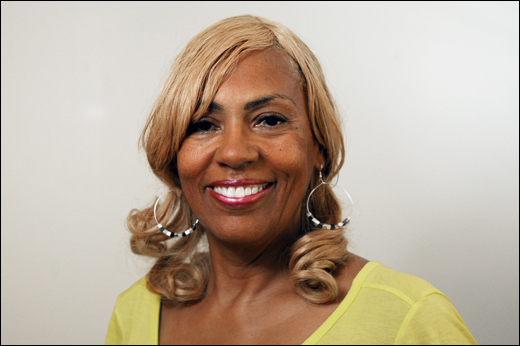
One in a series of profiles of the 2013 Fellows in the Black AIDS Institute's African American HIV University's Science and Treatment College.
I am a 62-year-old mother and grandmother living in Richmond, Va., who retired from Verizon after 33 years. I am a member of St. Paul's Baptist Church, a mega-church with 13,000 members and four campuses. I've been a member since 1995, and I'm one of 100 ordained deacons. I serve as co-chair at the church's non-profit organization, Nia, Inc. of Greater Richmond. Nia started in 1992. One of our first efforts was collecting money to purchase red ribbons for World AIDS Day. Today we make sure our church members are aware of all health-related issues that affect them, and educate our church and community with AIDS-related information and services.
Our pastor, Dr. Lance Watson, has been so supportive. I remember the first email I sent him with a list of the things we wanted to do: purchasing condoms for distribution at church, quarterly HIV testing and partnering with the Virginia Department of Health. He responded to the email by saying yes, yes, yes to everything.
We are one of only three organizations in Virginia to receive an African-American Faith Initiative grant from the Centers for Disease Control and Prevention to facilitate interventions with the No. 1 population we needed to educate about the pandemic: ministers at churches in Richmond. This allows them to do some of the same things at their faith institutions that our pastor has allowed us to do.
Sometimes Black churches are the last ones to get on board when it comes to talking about sex from the pulpit. Ministers do not want to talk from the pulpit about things they don't know about, and I understand that. So our classes, held in churches throughout Richmond, make the information available to them, even online through the Virginia Department of Health.
With all the information available to me and the work that Nia does, people may wonder why I needed the Black AIDS Institute training. You know, you can do something for so long that you can't think of anything else to do. I've never had information like what I received in the training. It takes sitting in that classroom with top experts in research and science, the hours with the study group at the dorm in the evening and drilling each other while walking from the dorm to class. I now know so much more about the medical and historical aspects of HIV than I knew before, and I learned that in just the first 30 days.
Who has had that experience but the people in that training? Now I have more information, and I'm going to give it to everybody!
AAHU's Science and Treatment Fellows are blogging about their experiences. To read the blogs, go here.
As told to Glenn Ellis, a health writer and radio commentator who lectures nationally and internationally on ethics and equity in health care.