Coming Out: Venton Jones
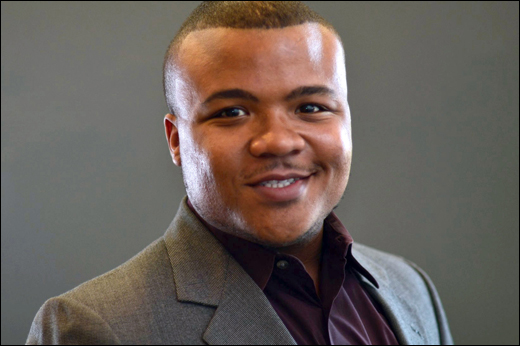
One in a series exploring the lives of people who have chosen to be out about their positive HIV status.Venton Jones' volunteer work for a Dallas AIDS organization helped educate him about the importance of HIV testing. "I was aware of the need to test frequently, so I did so," Jones says.
At the time Jones was in the process of acknowledging his own sexual attraction to men, struggling to get his career started and living on his own for the first time since graduating from college. "All this led to a lot of clubbing and partying," he says. "It was nothing unique or about being a Black gay man. It was really just about being a young person."
In the summer of 2007, Venton was admitted to the hospital for an ailment the physicians had trouble diagnosing. Symptoms included an extremely high fever and night sweats. "I actually had to ask the hospital the test me for HIV," he recalls. He had previously informed the doctors that he was gay.
The test results came back HIV negative. Jones' symptoms disappeared, and he was released from the hospital.
Two weeks later Jones enlisted in the U.S. Army in an effort to get his life on track. He received his job assignments and leave dates and began preparing for military life. But before his scheduled departure, Jones received a certified letter from military medical personnel stating that they needed to see him for an urgent medical matter.
Surmising that he was, in fact, HIV positive, despite the negative test result he had just received, Jones sought testing services at a local community organization. His results did come back positive, a finding that the Army confirmed.
"In hindsight, it is clear to me I was seroconverting when I entered the hospital," Jones said. "When I got the news from the Army, it was kind of surreal. I had just had a negative test result from the hospital."
On the drive home after testing HIV positive, Jones made a pledge to himself. "I had to be able to look myself in the mirror and love myself, even if everyone turned their backs on me," he recalled. "As soon as I got home, I picked up the phone and called my sister to let her know. And then I called one of my best friends to let them know." Early responses from friends and family members were supportive, with Jones' loved ones assuring him that people with HIV could live long and productive lives.
"I never wanted to be a victim," Jones says. "I kept talking to myself because I wanted to make sure I was stronger than the virus."
Although he pledged not to let his infection overcome him, opening up about his HIV status was a process. "I had only come out to my family as gay a few months before I tested HIV positive," Jones says. "I had a bit of shame about immediately telling my family I had tested positive, because HIV was what they expected. But I knew it was important that I shared this news with them."
After communicating his test results with someone he had begun dating before he learned that he was HIV positive, he experienced an upsetting breakup. "He suggested I knew I was HIV positive when I got into the relationship, which wasn't true," Jones says. "It reawakens the conversation every time I go through disclosing it. When I began dating someone, waiting to see how they would respond was a real challenge. In time I became comfortable dating people who already knew I was positive."
Jones estimates it took about four years to become comfortable speaking publicly about his HIV status. But his AIDS activism eventually gave him peace about living openly with HIV. In 2011 Jones moved to Washington, D.C., where he now works as communications and education manager for the National Black Gay Men's Advocacy Coalition. "I decided that the shame of disclosure would be something I would leave in Dallas," he says. "I decided I was going to be my authentic self, and HIV is a part of me."
As the 30th anniversary of HIV/AIDS approached, Jet magazine asked Jones whether he would be willing to be profiled. "I thought this was the opportunity to finally leave my shame of disclosure behind. Jet is something you see in most Black houses. My dad actually found out about my HIV status through the Jet article. After it came out, I went home for the Fourth of July holiday, and the article was the topic of conversation for my family. But they saw that I was okay, and that gave them the permission to be okay."
Although his coming out was a complicated and sometimes challenging process, Jones is certain that living openly with HIV is better than trying to keep it a secret. "One of the main reasons I decided to come out was as a tool to help other people," he says. "And I wanted to be open and honest with my family because that's how I was raised.
"Coming out shows you aren't alone," he continues. "So many people who test HIV positive feel like they are alone, that they are the only person who has to shoulder this responsibility. When you come out and live openly with HIV, you help others break through their own isolation."
So even though Jones' discovery in 2007 that he was HIV positive was circuitous, it placed him on a path toward honesty, self-respect and empowerment through community advocacy.
He feels a special obligation to young people. "Not a lot of young people are comfortable enough to disclose their status. Helping young people get the support they need to live with HIV is something that has become really important to me."
Excerpted from the Black AIDS Institute's 2013 State of AIDS Report, "Light at the End of the Tunnel: Ending AIDS in Black America."