Black America, HIV Testing and Creating an AIDS-Free Generation
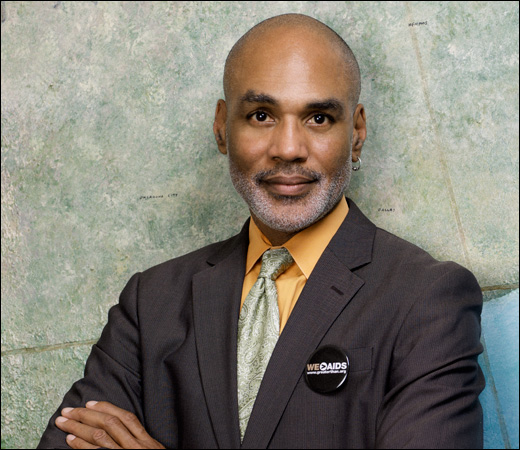
Tomorrow is National HIV Testing Day. It has never been easier or more important to know your HIV status. As a result of recent advances in HIV science we have the tools to end the AIDS epidemic in our communities. The question is no longer "Can we end AIDS?", it's "Will we?" And HIV testing is a critical part of what it takes to successfully do it.
What's more, new surveillance tools give us a much better idea of how many people are living with HIV, who is infected and what communities are most impacted--both demographically and geographically. With new mapping tools we can identify HIV hot spots down to the ZIP code or census tract.
Treatments are better than they’ve ever been. They're easier to take and are more effective, less toxic, have fewer side effects and are less vulnerable to resistance. As a result people with HIV are living longer.
We also have new prevention tools. For example, we know how to reduce people's risk of becoming infected, even when they are exposed to the virus. Vaginal microbicides that can kill the HIV virus will soon give women the power to protect themselves. And oral pre-exposure prophylaxis (PrEP) will allow an HIV-negative person who may have sex with someone who is HIV-positive to reduce their risk of becoming infected by taking HIV-fighting medications before they are exposed to the virus.
Finally, we now understand how medically treating a person infected with HIV can reduce that person’s ability to transmit the virus to a person not already infected—an approach called "treatment as prevention". If we can get HIV-positive people into care early, put them on HIV-fighting medicine, keep them on treatment and drive the amount of HIV virus in their system down to undetectable levels, we can reduce their ability to transmit the virus to others by up to 96 percent. To quote a certain vice president, “That’s a big f**king deal."
So we have better surveillance, better treatment and better prevention. But the lynchpin of our ability to use these tools is getting people tested for HIV. Fortunately, we have great news on that front as well. Today in most parts of the United States you can get an HIV test for free. The tests are painless and easy and often don't involve blood or needles--you can be tested with an oral swab. The results come back in less than an hour. You can even take an HIV test in the privacy of your own home.
So that takes me back to where we started. We can end the AIDS epidemic, but we can’t do it if we are not successful in Black America. In Black communities it is particularly important that we take advantage of this deciding moment in the HIV/AIDS epidemic. We continue to be disproportionately impacted by HIV and AIDS. Whether we know it or not, today the majority of Black Americans know someone either who is living with HIV or who has died from the disease. Far too many of us have members of our family who have been infected with the HIV virus.
HIV continues to be a deadly disease in our community but it does not have to be.
We have the power to win this fight by using these new tools. And the answer begins with knowing your own HIV status, knowing the HIV status of your sexual partners and making sure that your family, friends and loved ones know theirs as well. Together we are greater than AIDS.
In this issue actor Gary Dourdan, best known for playing detective Warwick Brown on the original CSI series and more recently for playing chef McKenna in Jumping the Broom, gets real about using condoms and getting tested.
The Road to AIDS 2012 traveled to the City of Brotherly Love, where activists pledged to pull together the largest contingent to attend AIDS 2012 from any location and to host local conference hubs for those who aren't able to attend.
The Justice Department (DOJ) continues to play a vital role in protecting PLWHA from discrimination. Our friends at AIDS.gov report on some of the DOJ's recent actions. And study performed in South Carolina underscores the importance of promptly linking people newly diagnosed with HIV to care and treatment. The results show that this is particularly important for Black Americans, who were more likely to have received suboptimal linkage to care than Whites. Greater Than AIDS at the LASC Rooftop Pride and more.
Yours in the struggle,
Phill