Preparing for PrEP, Part 1: What Pre-Exposure Prophylaxis Could Mean for Black Gay and Bi Men
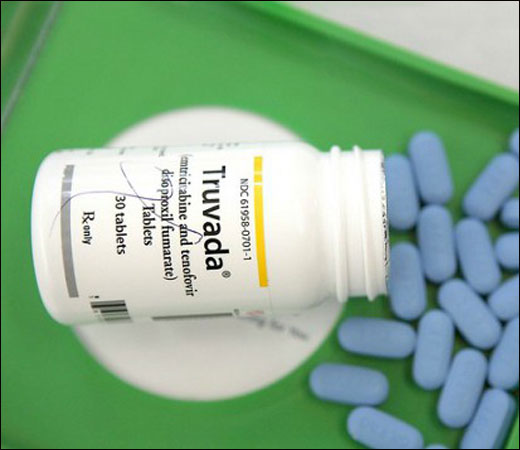
The first of a two-part series about PrEP's relevance to African American men who have sex with men.
In what has been described as a "major breakthrough," the daily use of an antiretroviral drug by HIV-negative gay and bisexual men has been proved to dramatically reduce new HIV infections.
Pharmacists Expand Role To Help Educate And Coach Patients

The average adult fills about a dozen prescriptions and refills every year; after age 65, they fill more than 30 prescriptions annually. For many people, their local pharmacist may be as familiar as their doctor — and often a lot easier to get time with. Some pharmacists are building on that position, expanding their role from drug dispenser to drug educator and chronic disease coach. By doing so, they may fill a void created by the shortage of primary-care physicians while boosting their business.
Read more: Pharmacists Expand Role To Help Educate And Coach Patients
Haley Barbour Draws Fire For Medicaid Changes In Mississippi

Mississippi Gov. Haley Barbour raised eyebrows in Washington last week when he said some Medicaid recipients in his state drive BMWs. But back home, Barbour’s critics weren’t surprised.
Read more: Haley Barbour Draws Fire For Medicaid Changes In Mississippi
Healthy Indiana: Conservatives' Reform Poster Child Or Another Costly Program?
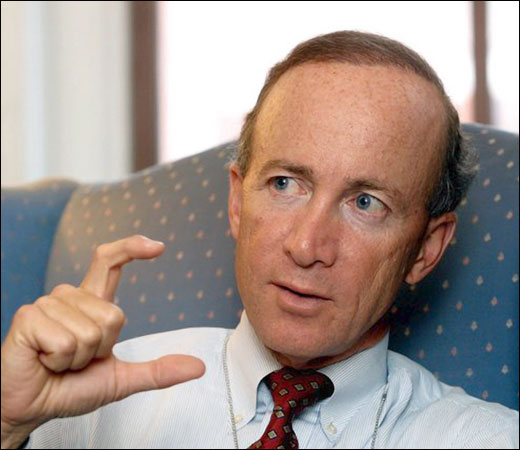
Conservatives don't know whether Mitch Daniels, the governor of Indiana, will run for president. But they know about the health care plan he introduced. And many of them are excited about it. The Healthy Indiana Plan, as it's known, is the Hoosier state's alternative to traditional Medicaid. It's also a viable alternative to the dreaded federal Affordable Care Act, if its boosters on the right are to be believed.
Read more: Healthy Indiana: Conservatives' Reform Poster Child Or Another Costly Program?
Ask the Doctor: At What T-Cell Count Should a Person Begin Treatment?
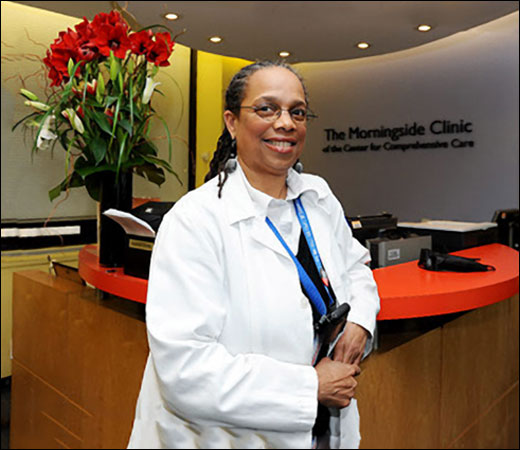
Every month, HIV specialist Theresa Mack, M.D., M.P.H. -- an associate medical director at St. Luke's Roosevelt Morningside Clinic, a comprehensive HIV-care center in Harlem, N.Y. -- will answer your most pressing HIV/AIDS questions.
In December 2009, the Department of Health and Human Services issued new guidelines (pdf) to encourage health-care providers to counsel newly diagnosed HIV-positive patients to start taking HIV-fighting medicine as soon as possible after receiving their diagnosis. Earlier recommendations had suggested that patients start taking medications when their CD4, or T-cell, count dropped to 350 or below. The new recommendations, which were modified in January 2011, advise patients to start antiretroviral medications even when their T-cell count is above 350.
Read more: Ask the Doctor: At What T-Cell Count Should a Person Begin Treatment?