The 2011 Budget Deal's Impact on HIV/AIDS Funding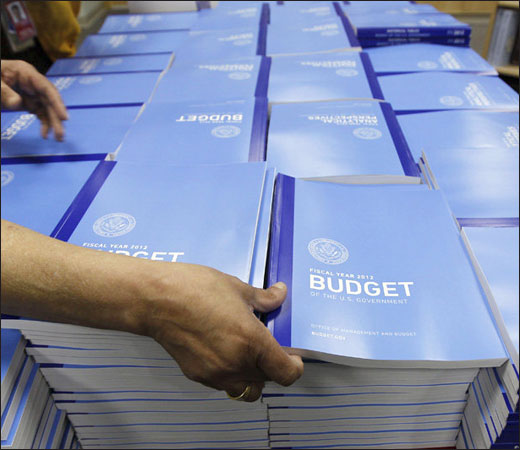
Last week, the details of the budget agreement between Congressional Republicans and Democrats were released. The Continuing Resolution, which will fund the government through September 2011, the end of the fiscal year, will cut $78.5 billion from President Obama’s 2011 budget request and $37.6 billion from 2010 funding levels.
While these cuts are massive, they are considerably smaller than those proposed in the Republican’s spending plan, H.R. 1, which would have completely defunded family planning programs, for example. After all of the major fracas over Planned Parenthood funding, spending on family planning was cut by 5 percent—too much in a nation that has the highest unintended pregnancy rate in the developed world as well as high rates of STD’s including HIV, but not as much as some had expected.
The public health sector faces major decreases in funding. The budgets at HHS, NIH, the CDC, SAMHSA, HRSA and teen pregnancy prevention are down. Cuts include $3.4 billion from the Department of Health and Human Services, $730 million from the CDC, and $1.2 billion from HRSA.
And after AIDS advocates won a 20-year fight against Congressional prohibition on syringe exchange in December, 2009, Republicans unsuccessfully tried to reinstate it. The Obama administration was able to protect the needle exchange program. Overall, about a fifth of all cases of HIV are transmitted through the use of HIV-contaminated needles, according to CDC data. Approximately 40 percent of Black men contract HIV either directly from dirty needles or by having sex with someone who was infected by IV-drug use. The rate among Black women is 47 percent.
AIDS Drug Assistance funding, however, will receive an additional $25 million much-needed dollars in light of the continuing spread of the disease, the lingering effects of the recession and the increasing numbers of people being tested and discovering that they are infected.
Reporting from the National Minority AIDS Council and the Black AIDS Institute.