Editorial: Make Your Voice Heard In This Election
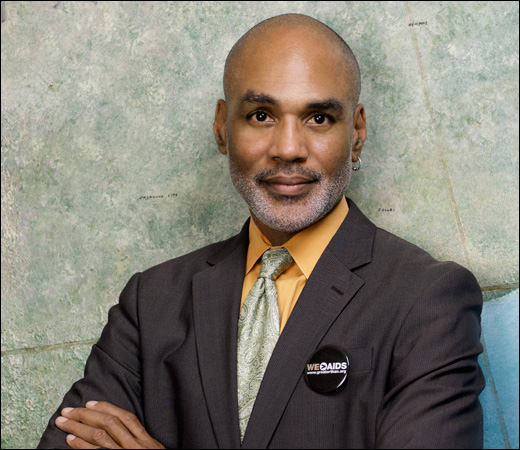
Today is Election Day. If you haven't already voted this morning, I urge you to stop reading this column, turn off your computer and go vote.
We should not underestimate how important it is for people who are concerned about HIV/AIDS to vote. AIDS doesn't care if you are a Democrat or Republican, liberal or conservative, a member of the Tea Party or the NAACP. However, if you are concerned about changing the trajectory of the HIV/AIDS epidemic in America--if you care about reducing HIV/AIDS rates, if you want to increase the percentage of people who know their HIV status, if you are concerned about expanding care and treatment for people with HIV, if you are concerned with developing programs that reduce stigma and help young people and other vulnerable populations have access to lifesaving information--you need to vote. Today is the day we decide which policymakers will make the decisions that will dramatically impact HIV policy and funding, arguably for the next decade.
Read more: Editorial: Make Your Voice Heard In This Election
INTERVIEW
Q&A With Oprah Guest Bridget Gordon, Who Sued Ex-Husband for Giving Her HIV

Ten years ago, Bridget Gordon had it all: the high-paying engineering career, the beautiful Los Angeles home and the handsome, loving husband. Or so she thought. Almost immediately after marrying the music executive, Gordon got sick. A trip to the doctor revealed that she was HIV positive, but she couldn't figure out why, since the only unprotected sex she'd ever had was with her husband. Eventually she discovered that her man had been secretly sleeping with other men.
Read more: Q&A With Oprah Guest Bridget Gordon, Who Sued Ex-Husband for Giving Her HIV
Provided by Kaiser Health News
House Takeover Would Give GOP Ways To Attack Health Law

If Rep. Joe Barton becomes chairman of the House Energy and Commerce Committee next year, the Texas Republican vows to make life miserable for Democratic defenders of the health care overhaul law.
He will drag Health and Human Services Secretary Kathleen Sebelius and Medicare chief Donald Berwick to Capitol Hill for regular grilling. Democrats, he says, have essentially shielded the two key figures from answering tough questions about the new law.
Read more: From KHN: House Takeover Would Give GOP Ways To Attack Health Law
America has voted
Statement by Black AIDS Institute President and CEO Phill Wilson
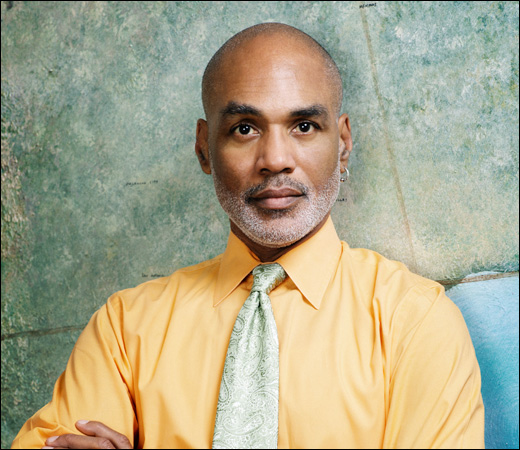
Tuesday’s elections redrew America’s political map. The results also have far-reaching implications for the nation’s response to AIDS in Black America, underscoring the urgent need to renew and reinvigorate educational and advocacy efforts to compel the nation’s decision-makers to address a health crisis that isn’t going away.
Riding a wave of anger and anxiety, Republicans swamped Democrats in Congressional races, winning more than 60 races and retaking the House of Representatives for the first time since 2006. The Democratic majority in the Senate was also sharply reduced; with Democrats accounting for 24 of the 33 seats that will be up for election two years from now, signs point toward a possible G.O.P takeover of the Senate in 2012. At the state level, Republicans now control a majority of governor’s offices in advance of the redrawing of Congressional districts that occurs every decade following a new national census.
EDITORIAL
When You Know Better, You Do Better, Part 3
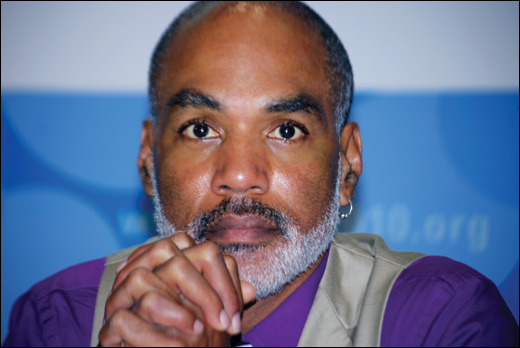
The third in a series exploring issues raised on a recent episode of The Oprah Winfrey Show.
I want to start an organization to save my life.
If whales, snails, Chrysler and Nixon can be saved,
the lives of Black men are priceless and must be saved.
--Essex Hemphill
With a few notable exceptions, heterosexual Black men are largely absent from the fight against HIV/AIDS. And, why wouldn't they be? When the subject of straight Black men and AIDS comes up, it is almost always in the context of men on the down low--or worse. When straight Black men do get involved, they are often met with hostility or suspicion: People demonize them or call their heterosexuality into question. Almost no programs, interventions or messages target them, which helps perpetuate the myth that they are not in the line of fire.
Read more: Editorial: When You Know Better, You Do Better, Part 3