By Dennis J. Freeman
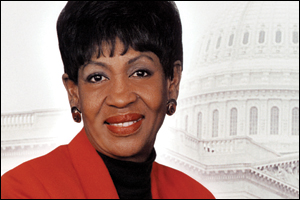
LOS ANGELES -- Congresswoman Maxine Waters said she wants insurance companies to cover the cost of HIV testing and testing for federal prisoners when they arrive and when they leave the penal institutions. “We will ensure that your confidentiality is respected,” said Waters, D-California. “What we’re saying is…just offer it. Just do it. We believe that when you do this kind of testing, not only will you catch HIV/AIDS, but you can get people started on the kinds of medicines that they need in order to have long and healthy lives.” Waters said she realizes the bills are among the most controversial that she’s drafted related to HIV testing and funding for HIV/AIDS clients. The insurance bill (H.R. 822) would require insurance companies to pay for HIV testing in the same way they cover the cost of diabetes testing. H.R. 1943, the Stop AIDS in Prison Act of 2007, calls for mandatory HIV/AIDS testing for all inmates arriving and exiting a federal correctional facility. Waters and others introduced a similar bill (H.R. 6038, Stop AIDS in Prison Act of 2006) last fall. Waters efforts are a response to the growing impact HIV/AIDS is having on minority communities. According to the Centers for Disease Control and Prevention, African Americans account for half of all new HIV/AIDS cases. Racial and ethnic minorities comprise 69 percent of new cases, according to the 2005 data released by the CDC. According to the Bureau of Justice Statistics, African Americans made up 41 percent of all inmates in the prison system at the end of 2004. “Congresswoman Waters always has been an unapologetic advocate for fighting AIDS in black communities,” said Phill Wilson, executive director of the Black AIDS Institute. “AIDS in America today is a black disease. Current funding levels and HIV policies are not keeping up with the reality of AIDS in Black America. The Black AIDS Institute supports Congresswoman Waters’ call for additional funding for HIV awareness, prevention and treatment; we welcome her leadership on new ways to think about HIV policies in the United States.” By enacting this bill, Waters said she hopes that the spread of HIV/AIDS among inmates will be curbed. The congresswoman added that the bill would also provide comprehensive and timely medical treatment to those incarcerated. It’s also designed to promote HIV/AIDS awareness and prevention, she said. Although some state prisons require routine HIV testing among inmates and provide treatment access, federal prisons currently do not, according to CQ HealthBeat. Original cosponsors of the Stop AIDS in Prison Act include Rep. John Conyers, D-Mich., Chairman of the House Judiciary Committee; Rep. Lamar S. Smith, R-Texas, Ranking Member of the House Judiciary Committee; Rep. Robert C. Scott, D-Va., Chairman of the Judiciary Subcommittee on Crime, Terrorism, and Homeland Security, which has jurisdiction over federal prisons; and Rep. Randy Forbes, R-Va., Ranking Member of that subcommittee. Waters is also asking Congress for an additional $610 million for the Minority AIDS Initiative under a separate proposal.
Waters discussed the bills, immigration challenges, the Iraq War and the new Democratic power in Congress during a conversation with several journalists on April 6 at her Los Angeles congressional office.
Since the Democrats wrestled away the majority from the Republican Party in last fall’s election, Majority House Speaker Nancy Pelosi vowed that the first “100 Hours” work agenda for her party would be spent implementing changes in policies and procedures. Taking that mantra from her leader, Waters, who represents California’s 35th District, has been increasingly visible throughout the community, whether it’s meeting with residents or calling for a discussion with the media. On immigration reform, Waters said there is going to be a major overhaul to the program. “You hear about immigration reform from two perspectives,” Waters said. “First, you hear about the more conservative elements about getting rid of all the illegal immigrants, deporting them and getting rid of the problems they bring with them. And then, on the side of the immigrant population itself, particularly Latinos and other kind of immigrants … they say they have not been treated fairly. “Here’s what I think is going to happen with immigration: You’re going to end up with a bill with several components to it. It’s going to look pretty much like the legislation that was offered by the administration at the last session. First of all, you’re going to have a part that says you have to get tough and secure the borders. A second part of it will be a part to sanction employers who hire illegal immigrants. Right now, nobody pays attention to the law. And you have a lot of big corporations and agricultural interests who employ undocumented, illegal workers, and they’re not getting fined, they’re not getting prosecuted. The bill is going to tighten that up. Thirdly, there’s going to be a guest worker program.” The other burning issue that Waters touched on is the war in Iraq where, according to the website www.antiwar.com, more than 3,300 U.S. troops have died. At least 300 Californians have been killed in the war. Another 24,000 American soldiers have been injured in a war that has cost so far-$320 billion. And if President George W. Bush has his way with deploying another 21, 500 troops to Iraq, the American public will be asked to pay an additional $5.6 billion per year price tag, according to figures put together by Democrats. The Democratic Party has largely balked at Bush’s idea to send more troops, even outlining a time frame to bring the soldiers home. The challenge for the Democrats on this issue is battling the spin-cycle by Republicans suggesting the party is not committed to helping the troops, Waters said. “The thinking of the leadership was that they know that the people of this country want to end this war,” Waters said in speaking about last year’s election. “Many of our Democrats ran on the platform of getting out Iraq. People expect them to be able to vote to get the soldiers out of Iraq. Then the administration accuses them of being unpatriotic if they don’t vote in step with them, accusing them of not caring about the soldiers and leaving the soldiers exposed. It makes them nervous. It makes the leadership nervous. The leadership does not want to be seen as not being tough on security for this country. But they don’t want to seen as abandoning the soldiers.”