News 2017
In This Issue
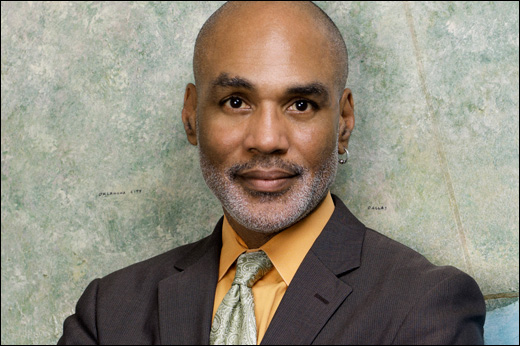
We open this week's issue by continuing our series about our 2016 AAHU graduates, this week profiling Arkansas Fellow Carleisha Murry-Anderson.
Next, we run several pieces from our friends at AIDS.gov summarizing some of the news and information presented at CROI earlier this month. Over the coming weeks, will dig more deeply into some of the breaking news from CROI that's most relevant to Black America.
AAHU Fellow Carleisha Murry-Anderson: I Will Always Fight for HIV
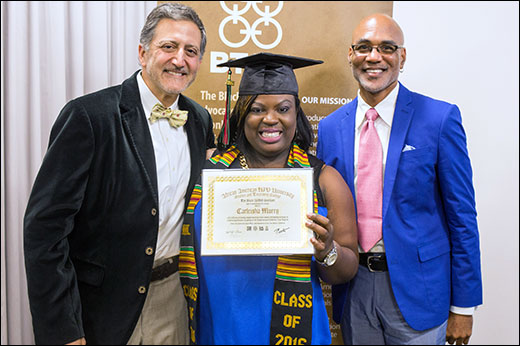
AAHU Fellow Carleisha Murry-Anderson
One in a series about recent graduates of the African American HIV University (AAHU).
When Carleisha Murry-Anderson was a sophomore at the University of Arkansas at Pine Bluff, she decided to become a campus HIV peer educator, talking to students about their sexual health. Trained through the AIDS Education and Training Centers—a national network of leading HIV experts who provide locally based, tailored education, clinical consultation and technical assistance to health-care professionals and health-care organizations—Murry-Anderson found the students to be very receptive.
Read more: AAHU Fellow Carleisha Murry-Anderson: I Will Always Fight for HIV
Highlights from First Day of CROI 2017
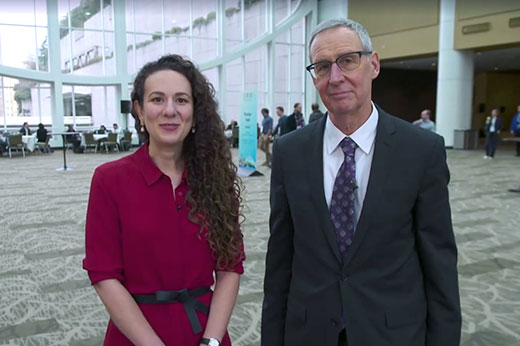
Anne Rancourt, Communications Section Chief, at NIH's NIAID chats with Carl W. Dieffenbach, Ph.D., the Director of the Division of AIDS at NIH's National Institute of Allergy and Infectious Diseases, on information provided on the first day of the Conference on Retroviruses and Opportunistic Infections (CROI) in Seattle
We reported from the 2017 Conference on Retroviruses and Opportunistic Infections (CROI) in Seattle sharing news and information about some of the important new HIV research findings and data being released. After the first full day of sessions, we held two Facebook Live sessions with senior federal HIV leaders to hear about what they saw as some of the key science highlights of the day.
More HIV Research Highlights from CROI 2017
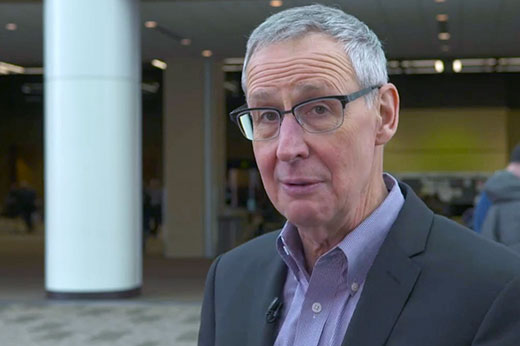
Carl W. Dieffenbach, Ph.D., the Director of the Division of AIDS at NIH's National Institute of Allergy and Infectious Diseases, sums up information provided on the second day of the Conference on Retroviruses and Opportunistic Infections (CROI) in Seattle
New scientific findings from two separate domains were among the key highlights shared during the second day of the 2017 Conference on Retroviruses and Opportunistic Infections (CROI) in Seattle, according to Dr. Carl Dieffenbach, Director of the Division of AIDS at NIH's National Institute of Allergy and Infectious Diseases (NIAID). Dr. Dieffenbach and his colleague Anne Rancourt joined us for a Facebook Live session to re-cap some of those findings.
Final HIV Research Highlights from CROI 2017
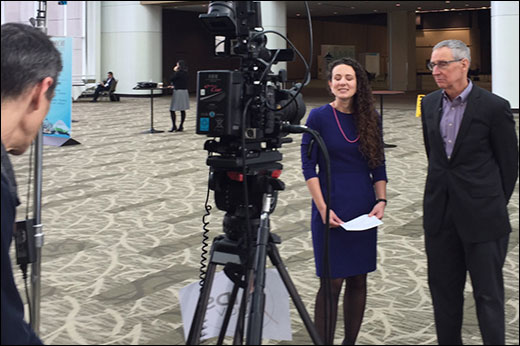
Anne Rancourt, Communications Section Chief, at NIH's NIAID and Carl W. Dieffenbach, Ph.D., the Director of the Division of AIDS at NIH's National Institute of Allergy and Infectious Diseases, wait for a technical check before summarizing the information provided on the last day of the Conference on Retroviruses and Opportunistic Infections (CROI) in Seattle
As the 2017 Conference on Retroviruses and Opportunistic Infections (CROI) wrapped up in Seattle, we spoke again with Dr. Carl Dieffenbach about some of the scientific highlights from the final day of the conference. Carl is the Director of the Division of AIDS at NIH's National Institute of Allergy and Infectious Diseases (NIAID). He and his colleague Anne Rancourt joined us for a Facebook Live session to re-cap some of those findings.