News 2016
Addressing the Burden of HIV Infection in Young Black Men

Young Black men talk to their doctor
February 7th marked the annual observance of National Black HIV/AIDS Awareness Day (NBHAAD). Led by the Strategic Leadership Council, this initiative was designed to increase HIV education, testing, community involvement, and treatment among black communities across the nation. Even with this national health observance and other efforts, findings from a new CDC study support the fact that HIV continues to have a significant impact on the health of young people, especially young black men who have same-sex partners.
Read more: Addressing the Burden of HIV Infection in Young Black Men
Research Update: NIH's Dr. Dieffenbach on CROI 2016 (Video)
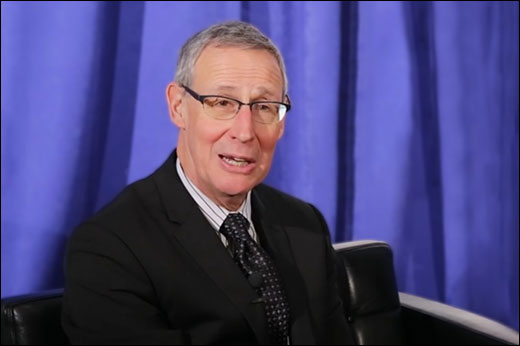
Carl Dieffenbach, M.D., Director of the Division of AIDS at NIH's National Institute of Allergy and Infectious Diseases
As the 2016 Conference on Retroviruses and Opportunistic Infections (CROI) came to a close in Boston on February 25, we spoke with Dr. Carl Dieffenbach, Director of the Division of AIDS at NIH's National Institute of Allergy and Infectious Diseases (NIAID), about some of the highlights of the HIV research presented there.
Read more: Research Update: NIH’s Dr. Dieffenbach on CROI 2016 (Video)
HepCure: Free Hepatitis C App Available for Patients and Providers to Connect and Cure
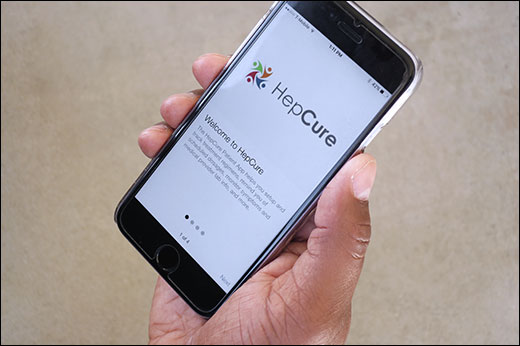
The HepCure app is available on both Apple and Android devices
The Centers for Disease Control and Prevention estimate that more than half of all people living with hepatitis C in the U.S. are unaware of their infection and only 9% have been successfully treated and cured, despite the availability of well-tolerated curative treatments for the past several years. A major priority of the Action Plan for the Prevention, Care and Treatment of Viral Hepatitis is improving testing, care, and treatment to prevent liver disease and cancer.
Read more: HepCure: Free Hepatitis C App Available for Patients and Providers to Connect and Cure
In This Issue
This week people of faith from all over the country are gathering for the National Week of Prayer for the Healing of AIDS. Faith is an interesting and powerful thing. For those of us who live with HIV, particularly those who have lived with HIV for a long time, every day is a testament to our faith.
I've lived with HIV for 35 years. When I was diagnosed, my doctor told me that I should go home and put my affairs in order. He said I should not expect to live to be 28 years old. My first thought was, "I'm only 27; I don't have any affairs to put in order". Yet in a few weeks, I will celebrate my 60th birthday. That is about faith. I'm here today because I have faith. Not a blind or naïve faith, or a faith that drives me to wait for an old White man with a staff and a beard to save me; my faith tells me that my God has given me the wherewithal to survive. I have faith that if I take my meds as prescribed, I will survive. I have faith that if I get up every day and put one foot ahead of the next, I can make a difference.
That kind of faith calls on us to make sure that PLWHA and those at risk for infection have the information we need to take care of ourselves and to protect those we love. That kind of faith assures us that the work we do every day to get involved, change public policy, build institutions, influence systems, and educate each other, will get us to the end of the AIDS epidemic.
I pray every day for the end of the AIDS epidemic. But prayer without works is dead. So in honor of my faith, this week I will be praying, this week I will be working, this week I will be educating, this week I will be advocating, because my faith is alive. My faith is powerful and it will help bring about the end of the AIDS epidemic.
In this issue we run a story on new research showing that alcohol may be more harmful for people with HIV than it is for others. We also share information about an exciting new study presented at CROI, HPTN 073, whose data suggest that Black MSM with proper care adhere well to PrEP. We play catch-up by running an AIDS.gov piece about what CDC is doing to respond to the HIV rates among Black MSM. Our friend Dr. Carl Dieffenbach shares some of the highlights of the research presented at CROI. And we tell you about a new HepC app that has recently been launched to help patients and providers connect.
Yours in the struggle,
Phill
Yours in the struggle,
Phill
In This Issue
Last week the CDC released data from a new analysis showing If current HIV diagnoses rates persist, about 1 in 2 Black men who have sex with men (MSM) and 1 in 4 Latino MSM in the United States will be diagnosed with HIV during their lifetime. This study is the first-ever comprehensive national estimates of the lifetime risk of an HIV diagnosis for several key populations at risk and in every state.
- Half of Black Gay Men and a Quarter of Latino Gay Men Projected to Be Diagnosed within Their Lifetime
- New CDC study: 185,000 HIV infections could be prevented in U.S. by 2020
- Vaginal Ring Provides Partial Protection from HIV in Large Multinational Trial
- Tax Filing And Health Coverage: What’s The Connection?