News 2010
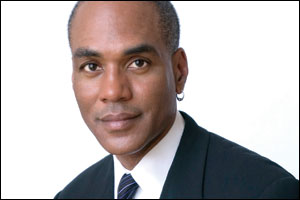
Opinion Editorial by CEO and Founder Phill Wilson
What's Love Got to Do With It?
Millions of Americans celebrated Valentine's Day this weekend by sending each other flowers, going out to brunch or dinner, or even getting engaged. Of course, advertisers want us to believe that love is about heart-shaped boxes, diamonds, flowers, chocolate and candlelit dinners. But true love is much more substantive than that. In fact, our addiction to the fairy tales we see in the movies not only makes it less likely that we'll experience love but also leaves us more vulnerable to heartbreak--or worse. Regardless of our race, age, gender, sexual orientation or even marital status, being sexually active in today's world--particularly for those of us who are Black--requires that we talk about difficult issues: our beliefs about monogamy; the importance of getting tested for HIV and other STDs; our sexual history and risk factors; and, for many of us, disclosing the fact that we have an STD, such as HIV. Talking is greater than silence. Countless numbers of us who say we are in love aren't having the difficult conversations that true love requires. Instead we are engaging in a fantasy--for example, not wanting to "ruin the mood," or pretending that people in love don't have to talk about difficult issues. But by skipping these conversations to preserve the fantasy of love, we not only leave ourselves more vulnerable to STDs and HIV but also deprive ourselves of the opportunity to experience the love that we really want. Lasting love means being committed to sharing in each other's daily life--our hopes and desires, our fears and insecurities. It is more about washing the dishes, walking the dog and taking out the trash than it is about wining and dining and making passionate love. The mundane tasks of daily living create the context within which true love can grow. When you're washing and drying the dishes, you share your hopes and dreams. You discuss worries and fears while walking the dog. Along the way, you learn about and build trust in the other person. As you begin to know each other, you begin to love each other--the true person, not the fantasy. I often say to gay people who are thinking about disclosing their sexual orientation: Our families cannot love us if they don't know us. We need to allow them to understand who we are. The same principle applies to romantic relationships. If we spend our energy holding back from our partner and hiding certain facts about ourselves, we do not have true love; we have a fantasy at best. There is no way to know whether the person really loves us because we haven't given him or her the chance to really know us. No wonder we feel anxious and insecure in this type of relationship environment. But if we take the risk of letting someone know us, then that person can support us and have our back. When that happens, we find out for certain whether he or she really loves us, and we feel confident enough to interact safely with our mate. I think this is particularly true for women. I often hear Black women say, "I can't talk to my partner about getting tested for HIV or even using a condom because he might leave me." He might, but if you cannot share your concerns with him, maybe you should not share your vagina with him either. We all deserve love--not the illusion of love, the fantasy of love or the Madison Avenue version of love, but real love. And the price of true love should not be the risk of death. That's what love's got to do with it! Phill Wilson is president and CEO of the Black AIDS Institute.
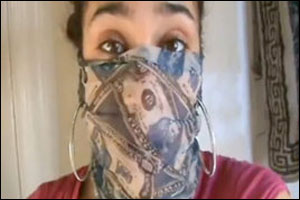
Rumor Control: Did a Detroit Woman Give More Than 500 Men HIV?
Not hardly. The story surfaced in mid-January on MediaTakeOut.com, one of the biggest Black gossip sites. In the video clip, a woman calling herself Jackie said she contracted HIV in 1998 and deliberately transmitted the virus to more than 500 men. She claimed to have "full-blown AIDS" and said she wanted revenge because she had "lesions on her skin" and "there is no cure for this shit." The story went viral across the Internet and was reported by The Detroit News, UPI and other leading news websites. The only problem: It was a hoax. Twenty-three-year-old Jackie Braxton was tracked down by the police and submitted to an HIV test. The results were negative. Jackie claimed the hoax was to "raise awareness about AIDS"--oh, and to create some free publicity for her pornographic website. AIDS activists criticized the media for reporting Jackie's claims without consulting experts. Female-to-male transmission is less common than male-to-female, although it accounts for about a quarter of all new HIV infections among Black men. But infecting 500 men? Please! And the "lesions" she'd pointed to on her skin were nonexistent. No charges were filed against the woman because apparently no laws were broken. The bizarre hoax did have one positive result: The Detroit Health Department claims the number of walk-ins for HIV testing doubled after local news reports. But trying to get the public to check out her porn videos by reminding them of the dangers of anonymous, unprotected sex? Child, please. Rod McCullom blogs on Black lesbian, bisexual, gay and transgender news and pop culture at rod20.com.
Disclosure Etiquette, Part 1: Do I Have to Kiss and Tell?
This is the first in a series of articles exploring the etiquette associated with telling other people that you have HIV/AIDS. Over the past 20 years, I have watched people living with HIV/AIDS suffer and struggle with disclosing their status. The fear of rejection keeps many of us quiet but causes others to reveal intimate information at inappropriate times and places--such as on a first date in a cozy restaurant, with the people at the next table dipping into the conversation, as an HIV-negative friend once experienced when her dinner companion told her he was HIV-positive. Deciding to share your serostatus is one of the most difficult things a person living with HIV has to do. Unlike on television, where reality-show participants sometimes disclose their HIV status in such a way that allows editors to script the conclusions, real-life disclosures occur in real time; the outcomes are uncertain. We wonder: What will this person think of me? Will they reject me? Try to hurt me? Wonder what "horrible" thing I did to deserve my fate? And after sharing my most intimate business, will I lose the relationship? When and whether we decide to tell often depends on how we believe the person will react. If we think the person will be cool about our status, we're more likely to tell, or to tell sooner. If we think we'll be rejected or get some other negative reaction, we may either consider not telling or actually not tell at all. Our approach also hinges on how vulnerable we are willing to feel and how much we are willing to risk in the relationship. That said, I do not believe that it is ever acceptable to trick or harm anyone. Recently a colleague shared findings from a small research study suggesting that people who tell others about their HIV status may not always experience as much stigma from their loved ones as they feel within themselves. This makes me wonder whether part of what we dread is having someone reinforce feelings we've already internalized about living with HIV/AIDS. I know that after two decades of absorbing messages that I am "not good enough" and/or just not "normal," I have internalized feelings of shame, guilt and helplessness. Is this part of what makes disclosure so difficult--that I dread learning that other people will think the same negative things about me that I sometimes secretly think about myself? I came of age as a person with HIV/AIDS in an era where I was indoctrinated that it was my responsibility to disclose early and often, whether or not it was my intention ever to have sex with the person I was telling. Intellectually I understand this approach, but emotionally it puts me in a straitjacket. What if I don't want to disclose to you? What if I want to become friends first? And if I'm not interested in sleeping with you, why do I have to tell you my personal business? I had--and still have--nothing to lose and everything to gain by disclosing my HIV status; I am willing to risk much to regain my personhood and shed my lingering sense of internalized oppression. But I have to admit that had I gotten infected today, I might have approached my life much differently. An HIV diagnosis is no longer the end of the world. Many people now know that if you are diagnosed early and do what the doctor tells you, you can live a pretty normal life--and life span. You do have to learn how to protect yourself and your partners, but maybe you don't have to tell everything to everybody. Given this new reality, I am reconsidering my options. I want the choice of telling my friends and colleagues--or not; maybe it's none of your business. And for once, it would be nice if my prospective partners took responsibility for their own health and asked me if I had HIV so that I wouldn't have to carry the burden of telling them first. Unlike what we see on reality television, life cannot be edited or played back to change the result or make us into someone we are not. People living with HIV/AIDS should have the option of deciding when and where we will reveal our HIV status. We should never do it because we're following some rigid rule from a bygone era. But when and under what circumstances should it happen? The answer isn't always clear. Check back on the fourth Tuesday of each month as I share my thoughts about the etiquette of when and why we should tell. Vanessa Johnson, J.D., who has volunteered and worked in the HIV/AIDS field for approximately 14 years, is executive vice president of the National Association of People With AIDS (NAPWA).
High Steaks vs. High Cholesterol
People who take certain HIV medications often get high cholesterol as a side effect of the drugs. Recently my doctor told me that I have high cholesterol. But is it a result of my drug regimen? I had been taking Reyataz, Norvir and Truvada, all of which have high cholesterol as a possible adverse effect. It could be my genes or my lifestyle--or even a combination. I may never really know. But since high cholesterol increases your risk of having a heart attack or stroke, it's time for me to make some changes.
Here Comes Trouble
My average cholesterol is 234.1; the average of my doctor's patients is 185. My LDL, or "bad cholesterol," is 143.1, which is borderline high. My HDL, or "good" cholesterol, is 52, which is good. (To learn more about cholesterol levels, go here.) My triglycerides were also high.
High cholesterol runs in my family. For years I have known that my dad has it. Over the holidays I learned that my mother does too. This double shot of high cholesterol means that I really have to be careful, especially since being male and of African American descent may increase my risk of heart disease also. Fortunately I don't smoke.
Living for the Weekend
Rather than immediately change my meds, which is complicated, my doctor decided that we'd first approach the problem by making lifestyle changes. There are two areas that I can take charge of on my own: eating and exercise.
First I had to slow my cholesterol intake. Now that I'm 30, my body doesn't process foods at the same speed that it did when I was 19. This meant that I had to examine my food choices. During the week, my diet was relatively healthy. Here was my diet on a typical day:
Breakfast: Ensure nutritional supplement
Snack: ravoli
Lunch: Quiznos sandwich, but sometimes McDonald's, pizza or buffalo wings
Snack: banana
Dinner: pasta, red meat or fish with rice, and wine, preferably red
But the weekend was a whole different story: I love a good steak-and-eggs breakfast; I also eat a lot. Here is an example of a typical weekend day:
Breakfast: pork bacon, ham, pancakes, biscuits, hash browns and maybe some grits (I also smothered foods with butter)
Lunch: chips, pickles and soda
Dinner: pizza, chicken wings with ranch sauce, or a steak with mashed potatoes
Many of these foods are high in cholesterol (go here to learn more about foods to eat and foods to avoid). I also used a lot of condiments that were high in cholesterol. And I didn't work out much.
Yet my waist is still a size 28--okay, 29--so until my doctor said something, I thought everything was okay.
But I realized that I had to improve my eating habits, particularly on the weekend, and head to the gym. Given the choice between big steaks and a healthy life, to me the choice is clear.
A Change of Plans
So I've changed my eating habits. On a typical weekday I now eat:
Breakfast: banana and a cinnamon-raisin bagel
Snack: orange juice, an apple, water
Lunch: club sandwich without bacon, iced green tea
Snack: crackers
Dinner: baked fish, greens, rice and wine, preferably red
And on weekends I now eat:
Breakfast: pancakes, muffin with honey, turkey bacon
Lunch: tuna fish sandwich with mayonnaise
Dinner: catfish, rice, couscous and wine
I also take one multivitamin, fish oil to protect against heart disease, and vitamin D because my doctor has noticed in some of his patients who take it that their T-cell, or CD4, counts have gone up. This is on top of the three HIV meds (six pills) I take every day. And I've started hitting the gym three times a week to lift free weights. On my off days, I try to run at least one mile. Just because people look fit on the outside doesn't mean they're fit on the inside. And I may only be 30, with a 29 waist, but I have more than just HIV to worry about. Justin B. Smith, an AIDS activist based in the Washington, D.C., area, is the author of Justin's HIV Journal.
Opinion Editorial by CEO and Founder Phill Wilson
Black Americans Are Greater Than AIDS
This week we spotlight both the start of Black History Month and the upcoming National Black HIV/AIDS Awareness Day, Sunday, February 7. The Institute is also beginning its Greater Than AIDS awareness campaign, whose goal is to inform Black people about activities that our community is already engaged in--and to enlist your support in what we still need to accomplish: overcoming HIV/AIDS and bringing the epidemic to an end.
Black people have been greater than any challenge we have confronted in the past. We were greater than the Middle Passage. We were greater than slavery. We were greater than Reconstruction. We were greater than Jim Crow. And we will be greater than AIDS as well. Yet each year more than 56,000 Americans--almost half of them Black--contract HIV. Black people account for two-thirds of the infections that occur among women. Among youth, that number rises to 70 percent. Research conducted among young Black gay and bisexual men suggests that about half of them have HIV. And the AIDS rate in our nation's capital is as high as that of many African countries. These are the challenges we face. These are the challenges we cannot afford to ignore. We confront these issues at a unique time in Black American history. Slightly over one year ago, we celebrated the inauguration of Barack Obama, America's first Black president. In 2006, then-Senator Obama spoke about the power of Black people to come together to be greater than this disease. Presidential candidate Obama promised to focus on the country's HIV/AIDS epidemic, with a particular emphasis on reducing the disproportionate impact of HIV on communities of color. And over the past 12 months, much progress has been made. Last April the White House and Centers for Disease Control and Prevention launched Act Against AIDS, the first national HIV/AIDS social-marketing effort the government has undertaken in 20 years. The administration is also working to create the first-ever National HIV/AIDS Strategy, a road map that will help federal agencies and state health departments work more strategically and collaboratively to fight AIDS. The president has also lifted the ban against syringe exchanges that replace injection-drug users' dirty needles with clean ones, as well as laws barring people with HIV from traveling to our country. These changes bring the United States in line with global human rights and HIV-policy standards, paving the way for the U.S. to host the International AIDS Conference in 2012--the first time in more than 20 years. And this month the president is scheduled to announce the members of the President's Advisory Council on HIV/AIDS (PACHA), a key group that will help keep AIDS at the top of his agenda. At the same time, however, our nation's economic crisis is forcing state and local governments to make hard choices about how they spend their dwindling financial resources. Funding is being cut to organizations that treat and support people with HIV and AIDS, and waiting lists for low-income people who need governmental subsidies for AIDS medications are lengthening. As we mark another Black HIV/AIDS Awareness Day, I am reminded that governments can do only so much. Each of us has the power to make a difference in response to AIDS--in our relationships, in our families and in our communities. On Sunday, Black people will be educating themselves about HIV/AIDS, getting their annual or semiannual HIV test, increasing their involvement in the movement to end the disease, and seeking treatment if they need it but haven't yet done so. But we must not become complacent; for our community, every day presents a new opportunity to respond to this disease, to protect ourselves, to challenge stigmas, and to embrace our brothers and sisters who are already living with the virus. Black leaders and institutions are tuned in and making AIDS part of their mission as never before. For example, this month the National Newspaper Publisher's Association--the Black newspapers--along with Essence.com and AOL Black Voices will begin running a monthly column about how Black people are greater than HIV and AIDS. Against this backdrop, we start this Greater Than AIDS conversation. I invite you to go to www.greaterthan.org to learn the facts, listen to real talk from real people, and find out wher Black leaders and institutions are tuned in and making AIDS part of their mission as never before. For example, this month the National Newspaper Publisher's Association--the Black newspapers--along with Essence.com and AOL Black Voices will begin running a monthly column about how Black people are greater than HIV and AIDS. Against this backdrop, we start this Greater Than AIDS conversation. I invite you to go to www.greaterthan.org to learn the facts, listen to real talk from real people, and find out where you can get tested and how to become involved. While you're there, don't forget to share your comments. I look forward to hearing from you and exchanging thoughts on how we are greater than AIDS. Phill Wilson is president and CEO of the Black AIDS Institute.