News 2009
Congressman Alcee L. Hastings (D-Miramar) introduces H.R. 4140
Bill Introduced to Increase Access to Voluntary HIV/AIDS Screening
On November 19, 2009, Congressman Alcee L. Hastings (D-Miramar) introduced H.R. 4140, the Increasing Access to Voluntary Screening for HIV/AIDS and STI’s Act of 2009, a bill that will reduce the spread and morbidities associated with HIV/AIDS and other sexually transmitted infections (STIs).
“Fifty percent of sexually active Americans will contract an STI at some point in their life. However, stigma, culture, language, lack of education, cost, limited resources, and inaccurate perceptions of risk contribute to insufficient screening for HIV/AIDS and STIs. These same factors have exacerbated the instances of transmission and late detection of HIV/AIDS and STIs over the past decade,” noted Hastings. The Increasing Access to Voluntary Screening for HIV/AIDS and STIs Act of 2009 takes an aggressive and multifaceted approach to combating HIV/AIDS and STIs by increasing access to voluntary screening and other preventative methods while preserving patient rights and confidentiality. The bill also makes screening and other preventative services more accessible to groups that have been historically underrepresented in public health interventions for HIV/AIDS and other STIs. “Voluntary and routine screening for HIV/AIDS and other STIs is an effective and low-cost approach to decreasing the life-threatening and life-altering effects of these infections. The Increasing Access to Voluntary Screening for HIV/AIDS and STIs Act of 2009 includes a comprehensive and evidence based strategy to improve the overall health of our nation.” Original Cosponsors: Reps. Donna M. Christensen, Yvette D. Clarke, Emmanuel Cleaver, John Conyers Jr., Al Green, Raul M. Grijalva, Sheila Jackson-Lee, Gregory W. Meeks, Charles B. Rangel, Lucille Roybal-Allard, Bobby L. Rush, Edolphus Towns, Maxine Waters, Diane E. Watson, Debbie Wasserman Schultz, and Robert Wexler. The Increasing Access to Voluntary screening for HIV/AIDS and STIs Act of 2009 is supported by the Harlem United AIDS Center, Global Justice Ministry of Metropolitan Community Churches, AIDS Institute, National Association of People with AIDS (NAPWA), American Social Health Association, National Alliance of State and Territorial AIDS Directors (NASTAD), Human Rights Campaign (HRC), AIDS Action Council, Urban Coalition of HIV/AIDS Prevention Services (UCHAPS) and the Black AIDS Institute. If you have any questions or concerns about this legislation please contact Amye Greene in Congressman Alcee L. Hastings’ office at
Taking Action Together: A New Era in HIV Care
4th Regional HIV/AIDS Conference
Taking Action Together: A New Era in HIV Care
Jefferson Comprehensive Care System, Inc. (JCCSI) invites you to join us for the 4th Regional HIV/AIDS Conference to be held in Little Rock on March 4-5, 2010. This conference will target Arkansas, Louisiana, Mississippi, and Tennessee and provide a forum to discuss the specific needs of the South as it relates to HIV/AIDS treatment and access to care. People from all fronts of the epidemic - from case managers, advocates, people living with HIV/AIDS (PLWHAs) to students, physicians and policymakers - will come together to build national support networks, exchange information, and learn how to address the challenges of HIV/AIDS in their community. We hope you will be one of them. For more information, please visit our website at www.hivregionalconference.com Please note: Scholarships are available for PLWH/A and we are taking nomination forms for the AIDS Leadership Award. For details on scholarships go to: http://www.hivregionalconference.com/scholarship.php For an AIDS Leadership Nomination Form, go to: http://www.hivregionalconference.com/nominate.php
Stories featured on this month’s IN THE LIFE
IN THE LIFE Presents, "Creating Solutions"
Over twenty million people have died from AIDS since its cause, HIV, was discovered in 1981. Though leading scientists worldwide have dedicated their life’s work to understanding the virus, its genetic complexity is unprecedented and a cure is still beyond reach. This month on IN THE LIFE, we speak with scientists working tirelessly for a cure, advocates speaking out about the stigma of HIV, and look at the success of a cutting edge prevention effort to stop the spread of the disease.
Click HERE to View IN THE LIFE, "Creative Solutions."
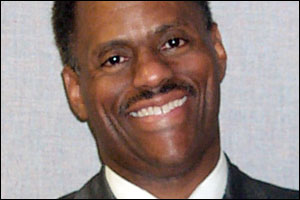
Opinion editorial by Institute Chair Emeritus Jesse Milan, Jr.
Time to take stock of our health
World AIDS Day has changed dramatically in the two decades since it began. When gay men in the U.S. first commemorated World AIDS Day, they mourned thousands of loved ones lost to a deadly virus. Since then, highly effective HIV treatments have transformed HIV from a death sentence to a serious disease in wealthy countries like ours, and now World AIDS Day seems focused on reminding the straight community about the global devastation of the disease.
But the truth is that HIV is still a crisis for gay men. More than 56,000 new infections occur in the U.S. each year. We are the main U.S. population among whom new HIV infections are increasing: Gay men of all colors account for more than half of all new infections nationwide. Young black gay men are at greatest risk. I was one of them 27 years ago when I became infected at age 26. This World AIDS Day, I urge gay men to take stock of their health. So many of us work to look healthy on the outside: Let’s also spend time protecting our health on the inside. Too many gay men hope they are HIV-negative but don’t know for sure. Too many who are positive don’t know that they are, and may be infecting others. Too many of us worry alone. Gay men need all the allies we can get in the fight against HIV, and doctors are key partners in the battle. Years ago, when my late partner was diagnosed with HIV/AIDS, he did not let fear of his doctor’s judgment of his “lifestyle” keep him from getting the information and care he needed. And the prevention messages his doctor shared with us helped me avoid infecting others after he died in 1985. Today, doctors across America receive training in how to help keep gay men healthy. But doctors can only do their part if we do ours. This World AIDS Day, make your doctor an ally. — Make an appointment. If you don’t have a doctor, get a referral to someone who provides care to gay men. Ask your friends who they like and trust. The doctor does not have to be a specialist in HIV care, but he or she does have to be someone you feel you can speak with openly and who you will commit to seeing regularly. — Talk to your doctor about HIV risk behaviors. If your current doctor isn’t comfortable talking with you about sex or drugs, find one who is. Your life is too important to let any doctor intimidate you. — If you are sexually active, get tested for HIV at least once a year. Waiting until you have symptoms is too late. For example, many African-American gay men develop AIDS within a year of their HIV diagnosis because they waited too long to get the care they needed. If you test negative, talk with your doctor about maintaining safe behaviors and get clear advice about how to avoid becoming infected. If you test positive, have your doctor develop a treatment plan or connect you to a specialist who can. And talk with your doctor about how you can keep from infecting others. I have been living with HIV for 27 years and my medical providers have been key in helping me stay healthy. I see my doctor every three to four months. He reviews my CD-4 count and viral load. He reminds me about prevention — whether I want him to or not! But, I always appreciate the advice, because every ounce of prevention could help save another life. I urge you to observe World AIDS Day by taking care of your health. As we remember those around the world with the disease and those we have lost, let’s also remember to take care of ourselves. Jesse Milan Jr., JD, is former director of the Philadelphia AIDS Activities Coordinating Office, chair emeritus of the Black AIDS Institute and vice president for community health systems at Altarum Institute in Washington, D.C.
The Institute Relaunches it's Weekly News Publications
Black AIDS Weekly Launches on World AIDS Day
Greetings on World AIDS Day
Today, the Black AIDS Institute is re-launching its electronic-news publication Black AIDS Weekly, following a short hiatus. Our goal is to keep our friends, partners and community members up-to-date on Black HIV/AIDS news and events, and to become the source of information about HIV/AIDS and sexual health in Black America. I encourage you to help your friends, colleagues and family members stay informed by sharing this newsletter with them.
Now more important than ever, it is important to be knowledgeable about HIV/AIDS. More than half a million Black Americans are living with the HIV virus—more than any other racial or ethnic group. According to the Centers for Disease Control and Prevention, Blacks account for half of all new HIV infections in the United States, although we represent just 12 percent of the population. We are also more likely to die from AIDS.
A national public-opinion survey published by the Kaiser Family Foundation earlier this year found that almost 70% of Black Americans know someone with HIV or AIDS, and nearly a third of us have a family member or close friend who is living with or has died from HIV/AIDS. Despite our personal connection to this issue, the survey revealed a decreasing sense of urgency among Black Americans, who reported less concern about becoming infected than at any prior moment in the epidemic’s 30-year history. Yet with the increasing AIDS rate in our community, our risk has actually gone up.
HIV is preventable, but fear, ignorance and apathy enable the virus's spread. By allowing these ills to thrive, we lend fuel to the AIDS epidemic. Although no cure yet exists, advances in treatment can dramatically improve and extend the lives of those already infected with HIV. And by confronting the misconceptions, lack of awareness and stigma that keep people from taking action—for example, using protection, reducing the number of sexual partners we have, getting tested, obtaining treatment, and talking openly about our behavior and HIV status—each individual can take important steps toward ending the epidemic.
Today may be World AIDS Day, but the Black AIDS Institute works every day to help eliminate the scourge of AIDS in our community. If you haven't already, we ask you to join our effort by sharing your Black AIDS Weekly, taking action and staying informed.
Sincerely,
Phill Wilson CEO/Founder, The Black AIDS Institute
Click Here to View Black AIDS Weekly