News 2016
Engaging Faith-Based Groups to Address Viral Hepatitis—Archived Webinar Materials Now Available!
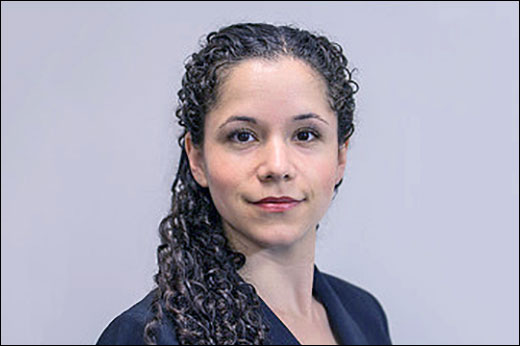
Michelle Moses-Eisenstein, M.P.H., Public Health Analyst, Office of HIV/AIDS and Infectious Disease Policy, U.S. Department of Health and Human Services
Hepatitis B and C affect as many as 2.2 million and 5.3 million people, respectively, from all walks of life and across the United States. To be successful, our national response to viral hepatitis requires that all parts of society participate, including faith communities. Recently, the Department of Health and Human Services (HHS) Office of HIV/AIDS and Infectious Disease Policy (OHAIDP) partnered with the HHS Center for Faith-based and Neighborhood Partnerships (Partnership Center) to sponsor a webinar on the important roles of faith communities in the national response to viral hepatitis.
Acting HHS Assistant Secretary for Health: Statement on National Minority Health Month

Healthy and happy
This April, as a nation we commemorate National Minority Health Month with a focus on how we are working to accelerate health equity for the nation.
Read more: Acting HHS Assistant Secretary for Health: Statement on National Minority Health Month
In This Issue
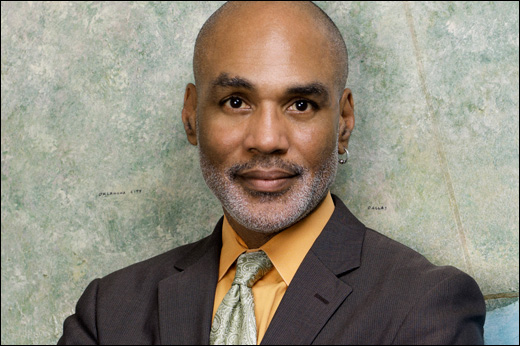
I am excited to announce that today the Black AIDS Institute is releasing its 17th State of AIDS Report: "Black Lives Matter—What's PrEP Got to Do With It?"
Black AIDS Institute Releases 12th Annual State of AIDS in Black America Report: 'Black Lives Matter—What's PrEP Got to Do With It?'
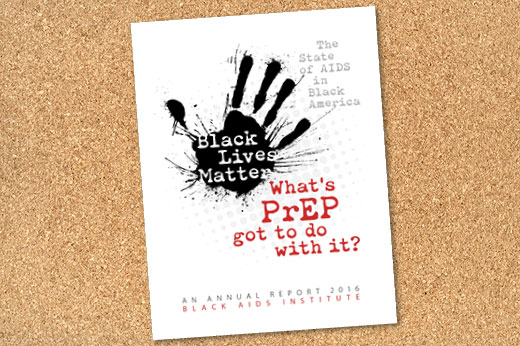
Black Lives Matter: What's PrEP got to do with it? The State of AIDS in Black America 2016
Los Angeles, April 19, 2016—Today the Black AIDS Institute, in partnership with Gilead Sciences, is releasing its 2016 report on the State of AIDS in Black America: "Black Lives Matter: What's PrEP Got to Do With It?" The report focuses on what Black communities need to know about pre-exposure prophylaxis (PrEP) and other new biomedical HIV prevention tools.
Phill Wilson: Still Answering the Black AIDS Call at 60 Years Old
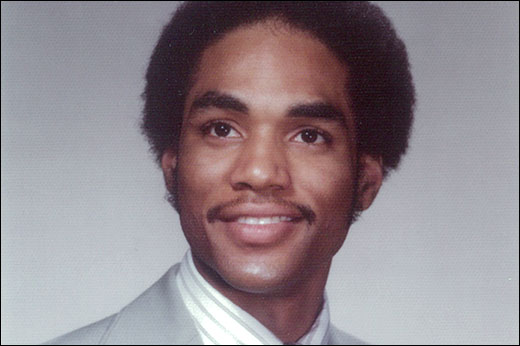
Phill Wilson, 1977
The first cases of what would become HIV/AIDS hit the news on June 5, 1981. Soon after, Phill Wilson, then just 25, and his new boyfriend, Chris Brownlie, were both diagnosed with swollen lymph nodes, which their doctor suggested could be related to the mysterious disease. Initially they were not afraid. The media widely reported that GRID (Gay-Related Immune Deficiency) was a white gay disease on the East and West coasts, or was contracted through poppers or by contact with "sexual athletes"—none of which they thought pertained to their lives in Chicago.
Read more: Phill Wilson: Still Answering the Black AIDS Call at 60 Years Old