News 2010
How the Media Affects Black HIV-Test Rates, and Will the National HIV/AIDS Strategy Help Black Women?
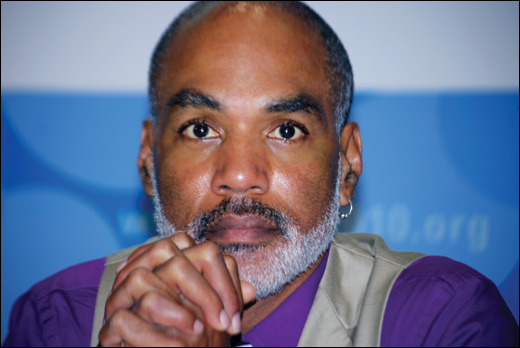
When we strategize about preventing HIV/AIDS, we often think about the media's power to drive prevention messages home. Our assumption is, as Dr. Maya Angelou says: "When you know better, you do better."
But, in reality, do we?
Dr. Robin Stevens, one of the elite handful of American researchers who presented at the International AIDS Conference this July, explains that this is not always the case. In this issue we dial back in with a dialogue we started with her in Vienna, asking her to share her findings about the media's impact upon Black people's HIV/AIDS testing rates.
Sheryl Lee Ralph Honored by ESSENCE Magazine for HIV/AIDS Work
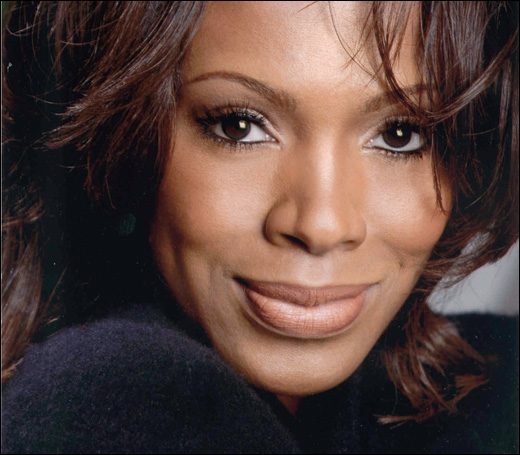
The Black AIDS Institute congratulates board member, actress and HIV activist Sheryl Lee Ralph on being named one of ESSENCE Magazine's "40 Fierce and Fabulous Women Changing the World." Ralph was honored in the magazine’s September 2010 issue (page 190) for raising awareness of HIV and AIDS in the Black community through Sometimes I Cry, her one-woman show that shares real stories of women living with HIV and AIDS, and DIVAS Simply Singing, Ralph’s benefit concert that raises money for Los Angeles-based AIDS awareness groups. DIVAS, now in its 20th year, will take place on Saturday, October 9, 2010 at the Saban Theater in Beverly Hills. For more information or to purchase tickets, click here.
Is the National HIV/AIDS Strategy Good for Black Americans? Part 3: Reducing HIV-Related Disparities
The third in a four-part series examining the strategy's impact on Black communities.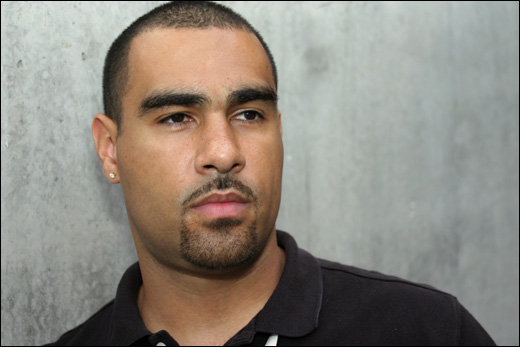
When the Obama administration unveiled its new National HIV/AIDS Strategy in July, New York City-based Housing Works challenged the strategy's second goal of increasing access to care as overly ambitious. Now the same group describes the third component of the strategy--reducing HIV-related disparities--as "quite limited."
By 2015 the administration hopes to increase by 20 percent the proportion of people from the following groups who have been diagnosed as having HIV yet have an undetectable viral load:
- Men who have sex with men (MSM);
- Blacks;
- Latinos.
Read more to learn how it plans to achieve these objectives.
AAHU Fellows Return
The Black AIDS Institute would like to welcome back our African American HIV University (AAHU) Fellows. This week the fellows will move on to Training Module Three of the AAHU Community Mobilization College, which focuses on leadership development, evaluation and implementation. They will build on findings from assessments they completed in their local communities and the coalition they built during their last internship. This week-long event is an opportunity for Fellows to receive feedback about their work. For more information on AAHU, click here.
Q&A: Dr. Robin Stevens, Expert on Blacks, HIV/AIDS and the Media
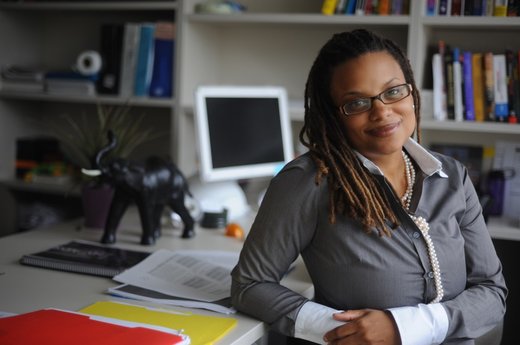
Photo by Kyle Cassidy
Many people quote the old saying, "When you know better, you do better." But some surprising new research suggests that in the Black community, that time-tested maxim ain't necessarily true. While researching her doctoral dissertation, Robin Stevens, Ph.D., M.P.H., a senior research associate at the University of Pennsylvania School of Medicine, reached a shocking conclusion about the media's effects upon African Americans: "The more we hear and read about HIV/AIDS, the less many of us are getting tested. Out of sight, out of mind," she says.
This finding is particularly disturbing, considering Centers for Disease Control and Prevention (CDC) data indicating that 56 percent of late testers--defined as those who were diagnosed with full-blown AIDS within one year after learning they were HIV-positive--are African Americans. People diagnosed with HIV late in their illness, when the virus has already damaged their immune system, miss out on the opportunity to take medications that treat HIV and slow its progression to AIDS. Curious about the implications of her research, we asked Dr. Stevens about these shocking results.
Read more: Q&A: Dr. Robin Stevens, Expert on Blacks, HIV/AIDS and the Media