News 2015
Bryan Stevenson Urges USCA Audience to "Get Proximate"
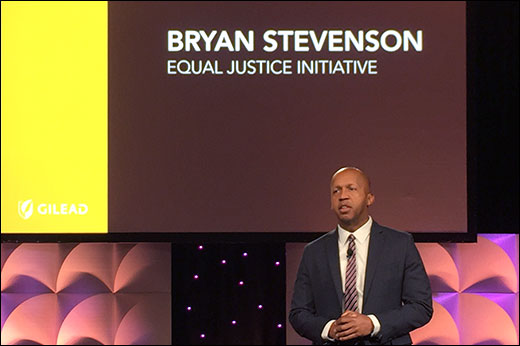
Bryan A. Stevenson, founder and Executive Director, Equal Justice Initiative, a private, non-profit organization headquartered in Montgomery, Alabama. Stevenson is also a professor at New York University School of Law
At Friday's plenary luncheon, Bryan Stevenson, executive director of the Equal Justice Initiative (EJI), spoke to conference attendees about the connections between the AIDS movement, the movement to end mass incarceration, and other social justice work.
Read more: Bryan Stevenson Urges USCA Audience to "Get Proximate"
2015 USCA Newsmaker: Congresswoman Barbara Lee
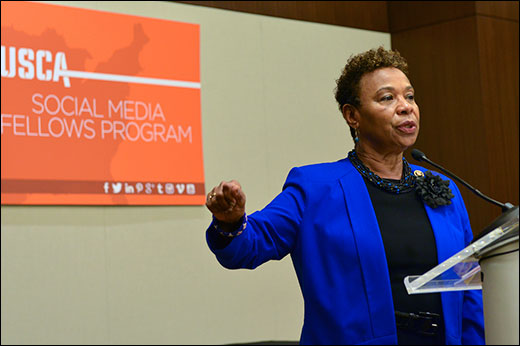
Cong. Barbara Lee speaks at USCA 2015
California Congresswoman Barbara Lee hopes to see the eradication of HIV/AIDS in her lifetime. But instead of just hoping it will happen, Lee has worked tirelessly to make it a reality. In fact, Lee has either authored or co-authored every major piece of legislation concerning HIV/AIDS and she isn't stopping there.
More Evidence Daily Pill Can Prevent HIV Transmission

Sheena McCormack, Professor of Clinical Epidemiology at the MRC Clinical Trials Unit at University College London, and Chief Investigator of the PROUD study
There's more data showing that a daily HIV medication called Truvada may prevent HIV-negative gay men at high-risk for infection from contracting the AIDS-causing virus.
Read more: More Evidence Daily Pill Can Prevent HIV Transmission
Sign-on Letter: Urge Congress to Restore Cuts to Domestic HIV/AIDS Programs

Signing on
The AIDS community is extremely concerned with some serious cuts Congress has proposed to several domestic HIV/AIDS prevention, care and treatment and related programs for Fiscal Year 2016.
Read more: Sign-on Letter: Urge Congress to Restore Cuts to Domestic HIV/AIDS Programs
Many Say Mental Health Care Is Vital, But Often Tough to Get

Mental health
Although most Americans think mental health care is important, they often believe it's expensive and hard to get, a new survey shows.
In questioning more than 2,000 adults, nearly 90 percent said they place equal value on mental and physical health. But one-third said mental health care is inaccessible. And 40 percent said cost is a barrier to treatment for many people, the survey found.
Read more: Many Say Mental Health Care Is Vital, But Often Tough to Get