News 2011
5 HIV Facts You Need to Tell Your Parents and Other Elders
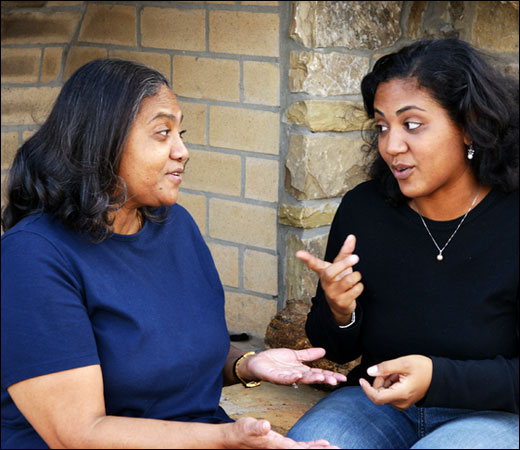
They have bathed us, fed us and changed our dirty diapers, but today they need our help. As our parents live single, experience life after divorce, survive the death of a spouse or even "step out" on or have an "understanding" about their dead-end marriage, most re-enter a dating world much more dangerous than the one they left.
According to Planned Parenthood Federation of America, baby boomers--people ages 44 to 64 years old--account for 27 percent of new HIV cases , and rising.
Read more: 5 HIV Facts You Need to Tell Your Parents and Other Elders
HIV-Positive Haitians Struggle for Survival 1 Year After the Earthquake

By the beginning of 2010, Haiti had made significant progress toward lowering its once-astronomical HIV rate. In 1993, 9.4 percent of the impoverished nation was infected with HIV, a number that represented almost half the people living with HIV/AIDS (PLWHA) in the entire Caribbean. By 2008 the adult HIV prevalence in Haiti had fallen to 2.2 percent--approximately 120,000 people, 53 percent of whom were women--reports (pdf) the Joint United Nations Programme on HIV/AIDS (UNAIDS).
Read more: HIV-Positive Haitians Struggle for Survival 1 Year After the Earthquake
EDITORIAL
Taking It To The Streets
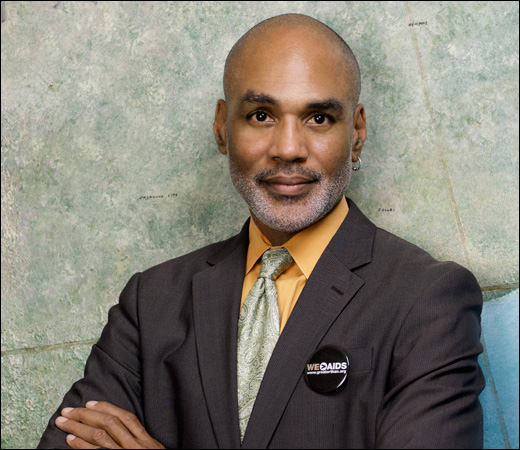
As is the tradition among many Black folks, this is the time of year we look back at where we've been to help inform us as we plan where we are going.
In that spirit it's seems only fitting that we kick off this first issue of the 2011 Black AIDS weekly with a recap of the HIV/AIDS highlights—the the good, the bad and the ugly—of 2010. Here is our list of the ten most significant HIV/AIDS events of 2010.
1. It’s the economy stupid!:
No other event in 2010 was more significant than the ongoing economic downturn. As a result federal, state, and municipal governments cut key HIV/AIDS programming in 2010; and the economic climate is unlikely to be any better in 2011.
2. The end of the travel ban against people with HIV entering the United States:
The United States finally came in line with the rest of the developed world by ending irrational discrimination against people living with HIV attempting to travel to the United States
3. The end of the prohibition against needle exchange:
The lifting of the ban on federal support for syringe exchange programs has to ability to literally save lives.
4. The passage of health-care reform:
The affordable Healthcare for America Act prevents insurance companies from discriminating against people with pre-existing conditions—including HIV, eliminates both the annual and life time caps on health insurance coverage, and expands prescription drug benefits. All are very important for people living with HIV/AIDS.
5. Launch of the National HIV/AIDS Strategy:
Finally a plan of action to end the AIDS epidemic with real goals and objectives
Life Is Not a Fairy Tale
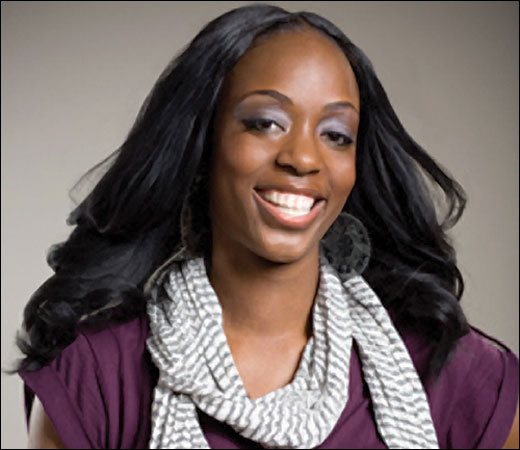
I grew up watching all of the Disney princess movies, and dreamed that one day I would find my own Prince Charming. Well, I found the man I thought was Prince Charming, but the relationship did not work out. And he gave me HIV. But when does make-believe ever come true? I am now looking for the guy who is right for me.
I discovered that I was HIV positive seven years ago, in 2003. Since then I have learned a lot about what it means to value myself. Ironically, it's been the information I've learned and the experiences I've had since getting the virus that have caused my self-confidence, self-love and sense of independence to shoot through the roof. All of this started when I began to understand that I have value. Not only do I now have a strong sense of self-worth, but I am proud of the amazingly strong woman I have evolved to be.
5 Must-Dos for Training an Infrastructure of Black HIV Experts
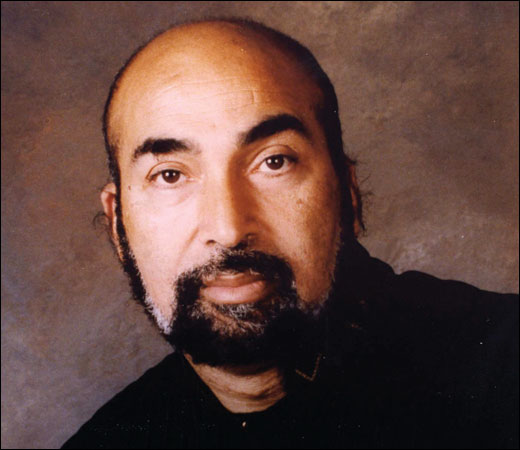
The Obama administration's National HIV/AIDS Strategy (NHAS) states that to properly care for the thousands of HIV-positive Americans who are expected to be introduced into the system, the U.S. must create a pipeline of culturally competent HIV-care providers--doctors, nurses, physician's assistants and other practitioners--that does not currently exist. More Black HIV specialists are also needed in fields ranging from scientific research to mental health, although the NHAS does not specifically address this reality.
While some 500,000 African Americans already live with HIV/AIDS, and almost half of the more than 56,000 new HIV infections each year in the U.S. occur among Blacks, barely 2 percent of the nation's medical doctors are Black--with just a handful specializing in HIV treatment.
Read more: 5 Must-Dos for Training an Infrastructure of Black HIV Experts