News 2011
2011: 10 HIV/AIDS Stories to Watch, Part 1

Thirty years into the HIV/AIDS epidemic, and after decades of research disappointments, 2010 saw major breakthroughs that put scientific advances such as microbicides, pre-exposure prophylaxis (PrEP) and vaccines within reach and created a favorable environment for other prevention and treatment efforts. In fact, some experts predict that over the next year, some of these discoveries could change the trajectory of the AIDS epidemic.
Editorial
Can we keep up our progress on AIDS?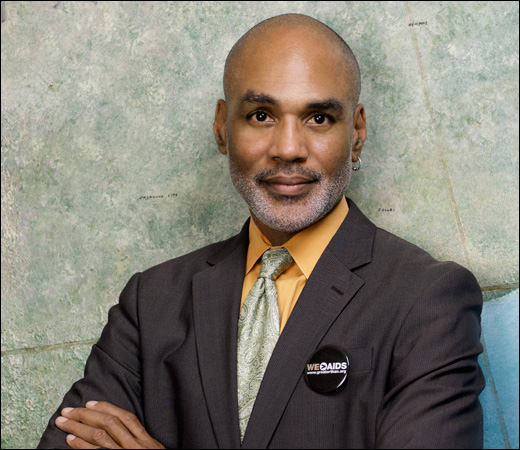
I was infected with HIV in 1981, the year the disease was discovered. Back then, most people died in six to 12 months from horrible diseases like Kaposi's sarcoma, a skin cancer normally found in older men of Semitic descent; pneunocystis carinii pneumonia, a fungal infection in the lungs; cryptococcal meningitis, which causes the lining of your brain to swell; or toxoplasmosis: You got that from cat feces, and it turned your brain to Swiss cheese.
Women Sexually Involved With Former Inmates Face HIV-Prevention Challenges
Fourteen years ago, 25-year-old Precious Jackson did something that many young women her age do: She fell in love. Her boyfriend at the time had a lengthy rap sheet and was in and out of prison, but "those were the types of men that I really dug," she recalls. "I liked the bad boys." Though Jackson wanted to ask him to take an HIV test, "I didn't want to insult his manhood," she says. A year and a half later, he tested positive for HIV, and so did she.
Jackson is convinced that her ex-boyfriend contracted HIV in prison, where high-risk behavior is not uncommon. Not only does consensual sex -- and rape -- occur, but injection drug use and tattooing often take place behind bars as well. According to the U.S. Department of Justice, about 1.5 percent of prisoners are HIV positive (pdf), and it's estimated that between 17 percent and 25 percent of people in the U.S. living with HIV have been in the prison system. Black Americans are incarcerated at a higher rate than all other races and ethnic groups.
Read more: Women Sexually Involved With Former Inmates Face HIV-Prevention Challenges
(Press Release) CNN Special "Hope Survives: 30 Years of AIDS in America" Friday, January 14 at 9pm EST/6pm PST
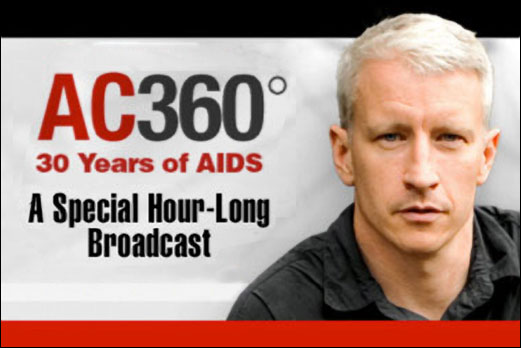
On Friday, January 14 at 9pm ET/PT on CNN, Anderson Cooper will host a special one-hour broadcast Hope Survives: 30 Years of AIDS. Phill Wilson, President and CEO of the Black AIDS Institute, will join Sir Elton John, Dr. Anthony Fauci, Mo'Nique and others to provide insight and perspective on HIV/AIDS in the U.S., with a focus on stigma and the disproportionate impact of HIV on Black Americans and men who have sex with men. Phill will highlight pressing challenges and notable accomplishments, including the role of Greater Than AIDS – a new national movement to unite Americans on HIV/AIDS developed with the Kaiser Family Foundation.
As part of the show, CNN has filmed a montage with celebrities sharing personal "Deciding Moments" that changed how they thought about the disease and inspired them to get involved. As part of the Greater Than AIDS movement, hundreds of everyday Americans have already submitted their "Deciding Moments."
EDITORIAL
What Would MLK Do?
As the world celebrates the 82nd birthday of Dr. Martin Luther King, Jr.,--and prepares to mark the 30th anniversary of the first case of HIV/AIDS diagnosed in the United States--I’m asking myself the same question I ask myself this time every year: When it comes to HIV/AIDS, what would Martin do?
What would Dr. Martin Luther King, Jr., think about the HIV/AIDS pandemic in 2010? What would he be doing about the epidemic and what would he expect us to be doing?
Martin would tell us that HIV/AIDS is a social justice issue. He would demand people of good will--people who believe in social justice--to exercise individual and collective responsibility for ending the epidemic.