WHO Issues New PrEP Guidelines, but Challenges Remain
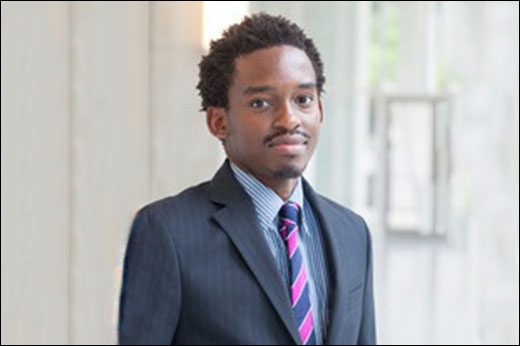
Keletso Makofane, Senior Research and Programs Associate at the Global Forum on MSM & HIV
Although gains have been made in the fight against HIV/AIDS, MSM are one of the key groups that continue to be most affected, with Black MSM accounting for three-fourths of new HIV infections in the United States between 2008 and 2010. As a result, the World Health Organization (WHO) for the first time is recommending that MSM consider pre-exposure prophylaxis (PrEP) as a means of preventing HIV infection.
The new WHO recommendations underscore the fact that biomedical and other treatment-as-prevention (TasP) strategies are essential to ending the epidemic. With PrEP, people who are not HIV positive would take ARV medication as a way to reduce their risk of acquiring HIV.
Today, MSM are 19 times more likely to have HIV than the general public, but WHO projects that PrEP could reduce HIV infections globally among MSM by 20 to 25 percent, preventing up to 1 million new infections in the next 10 years.
Other groups that WHO identifies as being at higher risk of becoming infected with HIV include sex workers (female sex workers are 14 times more likely to have HIV than other women), injection drug users (50 times more likely to be infected than the general population) and transgender women (nearly 50 times more likely to have HIV than other adults).
Putting the Research to Work
A number of trials are looking at the effectiveness of TasP strategies.
One trial, the ANRS 12249 TasP cluster-randomized trial, looked at whether community members in rural South Africa would be open to regular HIV testing, which is crucial if TasP methods are to make a difference. After all, TasP hinges on whether or not people who are not HIV positive are proactive about preventing the disease.
"Stigma, discrimination and [the idea of] changing behaviors" were all critical to the way community members responded to the idea of treatment as prevention, said François Dabis, a researcher with the French National Agency for Research on HIV/AIDS and Viral Hepatitis, or ANRS, at AIDS 2014.
The majority of study participants were, in fact, open to the idea. Of the 3,404 participants who were found to be HIV negative and later offered a second test, 87 percent chose to be retested. Researchers concluded from the study that TasP intervention could decrease HIV incidence.
A second trial in South Africa built upon an earlier study that found that men who were circumcised were less likely to be infected with HIV. This trial, which took place in Orange Farm, which is not far from Johannesburg, explored the impact of male circumcision on women's risk of getting HIV.
"If circumcised men are less infected with HIV, then women who are with circumcised partners should be less exposed to the virus, and thus we expect an indirect protection of circumcision among women," said Kévin Jean, a researcher with the French Institute of Health and Medical Research. "That's what we wanted to assess."
The study ultimately found that women who are sexual partners of circumcised men are less likely to have HIV.
Ongoing Barriers to PrEP
While the WHO recommendations and many of the trials being conducted are promising, there are still challenges involved with putting biomedical strategies in practice in the real world, said Keletso Makofane, senior research and programs associate at the Global Forum on MSM & HIV.
MSM, like other high-risk communities, are most in need of PrEP, yet they must grapple with other issues that limit its widespread usage.
One barrier is education. Many MSM are unaware of how effective PrEP is. Health-care providers have to do a better job of letting people know about PrEP and how it can help to prevent HIV, Makofane pointed out. Health-care providers must also be more sensitive to MSM. In fact, when MSM have a negative experience with a health-care provider, they are less likely to get tested or further educate themselves about HIV.
Another barrier to the widespread use of PrEP is stigma. In communities that are extremely homophobic, MSM may be afraid to take PrEP for fear that others will know that they are gay and they will be ostracized.
A lack of strong community groups in some areas may also play a factor in keeping PrEP from being more widely used. Community groups are needed to sensitize health-care providers and to steer clients to the resources they need, Makofane added.
The bottom line: PrEP can't be viewed in a vacuum. When it comes to its use in the real world, other obstacles must be overcome. "MSM face many challenges. HIV is only one of them," Makofane said.
Tamara E. Holmes is a Washington, D.C.-based journalist who writes about health, wealth and personal growth.